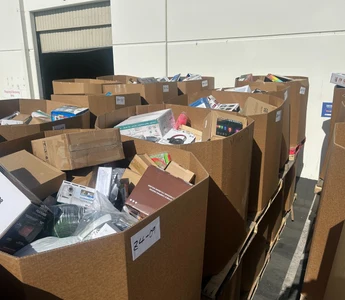
When you are shopping for liquidation inventory, one of the most important condition descriptions you will encounter is “untested.” If you are new to liquidation buying, the phrase can be confusing. Does untested mean the merchandise is broken? Does it mean the products are probably new? Can you resell untested inventory for a profit?
The short answer is that untested liquidation pallets contain merchandise whose functionality has not been verified by the seller or liquidator. An untested item may work perfectly, may have a minor issue, may be missing an accessory, or may be completely non-functional. The exact meaning can vary between liquidation companies, which is why buyers should always read the condition description and terms of sale before purchasing.
For example, Direct Liquidation describes untested customer returns as products returned by end users where no inspection or testing has been performed. The company states that the operational condition can range from fully functional to non-working and that packaging or accessories may also be missing or damaged.
This makes one thing extremely important: “untested” should be treated as an uncertainty category, not as a guarantee of product quality. When evaluating untested liquidation pallets, you are purchasing the opportunity to recover value from merchandise that has not been individually verified.
Does “Untested” Mean the Products Are Broken?
No. Untested does not automatically mean broken. This is one of the most common misunderstandings among new liquidation buyers.
A product can be labeled untested simply because the liquidation facility did not spend the time, labor, or resources required to verify whether the individual unit works. A returned television, power tool, small appliance, electronic device, toy, or other product may therefore enter an untested liquidation pallet without anyone confirming its operating condition.
Some products may have been returned because the customer changed their mind, ordered the wrong item, received a duplicate, no longer needed the product, or encountered an issue unrelated to the product itself. Other products may genuinely have technical problems, missing components, cosmetic damage, or other defects.
The important point is that the liquidator has not necessarily verified the difference between those situations. That uncertainty is what buyers are accepting when they purchase untested liquidation pallets.
Official liquidation marketplaces also demonstrate why condition terminology must be read carefully. B-Stock’s published condition system distinguishes categories such as New, Like New, Refurbished, Used, Salvage, and Mixed Condition. Its Mixed Condition category can contain products across different quality levels, including salvage, unless the manifest or auction details specify otherwise.
Why Are Liquidation Pallets Sold as Untested?
There is a practical reason why large quantities of returned merchandise are often sold without individual testing. Testing every single item requires significant labor, equipment, storage space, technical knowledge, and time.
Imagine a warehouse receiving hundreds or thousands of customer returns. Each item could require unpacking, powering on, checking accessories, inspecting physical condition, testing individual functions, cleaning the product, repackaging it, and documenting the results. That process can be expensive and slow.
Instead, some liquidation inventory is consolidated and sold in bulk as untested liquidation pallets. The buyer takes on the responsibility of sorting, testing, repairing, cleaning, and determining the resale potential of the merchandise.
This model can create opportunities for experienced resellers because the merchandise may be purchased at a lower acquisition cost than fully tested and retail-ready inventory. However, the lower price comes with additional risk and additional work.
Untested Does Not Mean New
Another important distinction is that untested liquidation pallets should not automatically be considered new merchandise.
An untested pallet may contain customer returns, open-box merchandise, used products, products with damaged packaging, incomplete products, or merchandise that has never been used but was returned before resale.
The source of the inventory matters. Customer returns, overstock, shelf pulls, and salvage are different inventory categories, and sellers may use different terminology when describing them.
For instance, Walmart’s B-Stock liquidation conditions separately identify New, Like New, Refurbished, Used, Salvage, and Mixed Condition merchandise. This demonstrates why buyers should not assume that one condition label means the same thing across every liquidation marketplace.
If a listing specifically says untested customer returns, approach the inventory as customer-return merchandise with unknown functionality unless the seller provides additional guarantees or testing information.
What Can You Find Inside an Untested Liquidation Pallet?
The contents of untested liquidation pallets can vary significantly depending on the retailer, product category, liquidation source, and specific lot.
Depending on the listing, an untested pallet could contain products such as:
Consumer electronics
Small appliances
Power tools
Hand tools
Home improvement products
Kitchen equipment
Toys and games
Sporting goods
Furniture and home goods
Clothing and accessories
Beauty products
General merchandise
The condition of individual units can vary just as much as the product categories. One item could be ready for resale after a basic inspection, while another could require repair, replacement parts, cleaning, or disposal.
That is why the potential value of an untested liquidation pallet should never be calculated simply by adding the original retail prices of the products.
Why Buyers Are Interested in Untested Liquidation Pallets
Despite the uncertainty, untested liquidation pallets can be attractive to experienced buyers because they can offer access to merchandise at a lower acquisition cost.
A reseller who has the ability to test, repair, clean, photograph, list, and market individual products may be able to recover value from merchandise that a retailer no longer wants to process individually.
For example, a reseller with technical skills may be comfortable purchasing an untested electronics pallet because they can diagnose minor faults and replace inexpensive components. Another reseller may specialize in tools and have the knowledge necessary to inspect and prepare returned equipment for resale.
The opportunity therefore depends heavily on the buyer’s ability to manage uncertainty.
The Main Rule to Remember
If you remember only one thing from this section, remember this: never value an untested liquidation pallet as though every item is fully functional.
An untested pallet should be evaluated using a realistic recovery scenario. Some products may work immediately, some may need minor preparation, some may require repairs or missing accessories, and some may have little or no resale value.
The goal is not to assume that everything is broken. The goal is to avoid assuming that everything works.
That distinction is what separates a calculated liquidation purchase from a gamble.
What “Untested” Means for a Reseller
For a reseller, purchasing untested liquidation pallets means accepting responsibility for determining what can actually be sold.
After receiving the pallet, the work may include:
Sorting the merchandise
Identifying individual products
Checking model and serial numbers where applicable
Inspecting physical condition
Testing functionality
Identifying missing accessories
Cleaning products
Performing minor repairs when appropriate
Photographing inventory
Creating accurate product listings
Determining realistic resale prices
Separating recyclable or unsellable merchandise
This additional work should be included in your purchasing calculations. A pallet that looks inexpensive at first can become expensive if it requires extensive testing, repairs, storage, and labor.
Is an Untested Liquidation Pallet Worth Buying?
An untested liquidation pallet can be worth buying, but there is no universal answer. The decision depends on the pallet price, product category, manifest quality, expected resale demand, condition information, shipping cost, your testing capabilities, and the amount of risk you are prepared to accept.
If a pallet only appears profitable when every item works and sells near its original retail price, the deal is probably too risky. A stronger purchase is one where the numbers can still work even after accounting for defective, incomplete, slow-moving, or lower-value merchandise.
This is particularly important for beginners. Experienced liquidation buyers often have established processes for testing and disposing of unsellable merchandise, while a first-time buyer may underestimate the labor and costs involved.
What Does “Untested” Mean on Liquidation Pallets?
When you are shopping for liquidation inventory, one of the most important condition descriptions you may encounter is “untested.” If you are new to liquidation buying, this term can be confusing. Does untested mean the merchandise is broken? Does it mean the products are probably new? Can you resell Untested Liquidation Pallets for a profit?
The short answer is that Untested Liquidation Pallets contain merchandise whose functionality has not been verified by the seller or liquidator. An untested item may work perfectly, may have a minor issue, may be missing an accessory, or may be completely non-functional. The exact meaning can vary between liquidation companies, so buyers should always read the condition description and terms of sale before purchasing.
For example, Direct Liquidation explains that customer-return merchandise can be sold without individual testing, meaning buyers should carefully consider the possible condition of the products before purchasing. This is one reason why understanding the meaning of Untested Liquidation Pallets is so important.
This makes one thing extremely important: “untested” should be treated as an uncertainty category, not as a guarantee of product quality. When evaluating Untested Liquidation Pallets, you are purchasing the opportunity to recover value from merchandise that has not been individually verified.
Does “Untested” Mean the Products Are Broken?
No. Untested does not automatically mean broken. This is one of the most common misunderstandings among new liquidation buyers.
A product can be labeled untested simply because the liquidation facility did not spend the time, labor, or resources required to verify whether the individual unit works. A returned television, power tool, small appliance, electronic device, toy, or other product may therefore enter an Untested Liquidation Pallet without anyone confirming its operating condition.
Some products may have been returned because the customer changed their mind, ordered the wrong item, received a duplicate, no longer needed the product, or encountered an issue unrelated to the product itself. Other products may genuinely have technical problems, missing components, cosmetic damage, or other defects.
The important point is that the liquidator has not necessarily verified the difference between those situations. That uncertainty is what buyers are accepting when they purchase Untested Liquidation Pallets.
Before buying any liquidation merchandise, it is also useful to understand the different types of liquidation pallets available and how their condition can affect potential resale value.
Why Are Liquidation Pallets Sold as Untested?
There is a practical reason why large quantities of returned merchandise are sometimes sold without individual testing. Testing every single item requires significant labor, equipment, storage space, technical knowledge, and time.
Imagine a warehouse receiving hundreds or thousands of customer returns. Each item could require unpacking, powering on, checking accessories, inspecting physical condition, testing individual functions, cleaning the product, repackaging it, and documenting the results. That process can become expensive and time-consuming.
Instead, some liquidation inventory is consolidated and sold in bulk as Untested Liquidation Pallets. The buyer takes on the responsibility of sorting, testing, repairing, cleaning, and determining the resale potential of the merchandise.
This model can create opportunities for experienced resellers because the merchandise may be purchased at a lower acquisition cost than fully tested and retail-ready inventory. However, the lower price comes with additional risk and additional work.
If you are new to this type of inventory, our guide to liquidation pallets for beginners can help you understand the fundamentals before committing to a bulk purchase.
Untested Does Not Mean New
Another important distinction is that Untested Liquidation Pallets should not automatically be considered new merchandise.
An untested pallet may contain customer returns, open-box merchandise, used products, products with damaged packaging, incomplete products, or merchandise that has never been used but was returned before resale.
The source of the inventory matters. Customer returns, overstock, shelf pulls, and salvage are different inventory categories, and sellers may use different terminology when describing them.
For example, B-Stock operates liquidation marketplaces where inventory can be offered under different condition categories. Buyers should review the specific auction or listing information rather than assuming that every liquidation lot has the same condition.
If a listing specifically says untested customer returns, approach the inventory as customer-return merchandise with unknown functionality unless the seller provides additional guarantees or testing information.
What Can You Find Inside an Untested Liquidation Pallet?
The contents of Untested Liquidation Pallets can vary significantly depending on the retailer, product category, liquidation source, and specific lot.
Depending on the listing, an untested pallet could contain products such as:
Consumer electronics
Small appliances
Power tools
Hand tools
Home improvement products
Toys and games
Sporting goods
Furniture and home goods
Clothing and accessories
Beauty products
General merchandise
The condition of individual units can vary just as much as the product categories. One item could be ready for resale after a basic inspection, while another could require repair, replacement parts, cleaning, or disposal.
That is why the potential value of an Untested Liquidation Pallet should never be calculated simply by adding the original retail prices of the products. Buyers should estimate realistic resale prices and account for defective or incomplete merchandise.
Why Buyers Are Interested in Untested Liquidation Pallets
Despite the uncertainty, Untested Liquidation Pallets can be attractive to experienced buyers because they may provide access to merchandise at a lower acquisition cost.
A reseller who has the ability to test, repair, clean, photograph, list, and market individual products may be able to recover value from merchandise that a retailer no longer wants to process individually.
For example, a reseller with technical skills may be comfortable purchasing an untested electronics pallet because they can diagnose minor faults and replace inexpensive components. Another reseller may specialize in tools and have the knowledge necessary to inspect and prepare returned equipment for resale.
The opportunity therefore depends heavily on the buyer’s ability to manage uncertainty and accurately calculate the potential return on their inventory investment.
If you remember only one thing from this section, remember this: never value an Untested Liquidation Pallet as though every item is fully functional.
An untested pallet should be evaluated using a realistic recovery scenario. Some products may work immediately, some may need minor preparation, some may require repairs or missing accessories, and some may have little or no resale value.
The goal is not to assume that everything is broken. The goal is to avoid assuming that everything works.
That distinction is what separates a calculated liquidation purchase from a gamble.
What “Untested” Means for a Reseller
For a reseller, purchasing Untested Liquidation Pallets means accepting responsibility for determining what can actually be sold.
After receiving the pallet, the work may include:
Sorting the merchandise
Identifying individual products
Checking model and serial numbers where applicable
Inspecting physical condition
Testing functionality
Identifying missing accessories
Cleaning products
Performing minor repairs when appropriate
Photographing inventory
Creating accurate product listings
Determining realistic resale prices
Separating recyclable or unsellable merchandise
This additional work should be included in your purchasing calculations. A pallet that looks inexpensive at first can become expensive if it requires extensive testing, repairs, storage, and labor.
Is an Untested Liquidation Pallet Worth Buying?
An Untested Liquidation Pallet can be worth buying, but there is no universal answer. The decision depends on the pallet price, product category, manifest quality, expected resale demand, condition information, shipping cost, your testing capabilities, and the amount of risk you are prepared to accept.
If a pallet only appears profitable when every item works and sells near its original retail price, the deal is probably too risky. A stronger purchase is one where the numbers can still work even after accounting for defective, incomplete, slow-moving, or lower-value merchandise.
This is particularly important for beginners. Experienced liquidation buyers often have established processes for testing and disposing of unsellable merchandise, while a first-time buyer may underestimate the labor and costs involved.
Before making your decision, browse the Elite Pallet Liquidators Shop and compare available inventory based on condition, product category, quantity, and potential resale demand.
Untested vs. Tested Liquidation Merchandise: What Is the Difference?
Understanding the difference between Untested Liquidation Pallets and tested liquidation inventory is essential before you spend money on bulk merchandise. The condition assigned to a pallet can have a major impact on your purchase price, expected resale value, labor requirements, and overall risk.
A tested product has generally gone through some form of functionality check, while an untested product has not been verified by the seller. However, the exact testing process can differ from one liquidation company to another. Buyers should therefore read the individual listing and condition policy rather than assuming that “tested” always means the same thing.
This distinction is particularly important when comparing an Untested Liquidation Pallet with a pallet containing tested customer returns. The tested pallet may cost more, but some of the uncertainty and inspection work may already have been handled by the supplier.
What Does Tested Mean?
When merchandise is described as tested, the seller has generally performed some type of inspection or functionality check. The extent of that testing depends on the product and the seller’s procedures.
For electronics, testing might involve powering on the device and checking major functions. For tools, it could involve checking whether the equipment operates. For appliances, the seller might verify that the basic functions work.
However, a “tested” label should not automatically be interpreted as a comprehensive factory-level inspection. Always review the seller’s description to understand what was actually tested.
Untested Liquidation Pallets Carry More Uncertainty
The defining characteristic of Untested Liquidation Pallets is uncertainty about functionality. The products may contain a mixture of working, partially working, damaged, incomplete, or defective merchandise.
This does not mean that every item is defective. It means the buyer should not assume that the products have been verified as functional.
For an experienced reseller, that uncertainty may create an opportunity. If you can test products efficiently and have access to affordable repair resources, you may be able to recover value from merchandise that other buyers avoid.
For a beginner without testing equipment, technical knowledge, or a reliable repair process, however, an Untested Liquidation Pallet can present a significantly greater challenge.
Untested vs. Used Merchandise
“Untested” and “used” are not necessarily the same condition classification. Untested describes what the seller knows or has verified about functionality, while used generally describes the product’s previous use or physical condition.
For example, a product could be used and tested. Another product could be used but untested. A product could also be open-box and tested or open-box and untested.
This is why buyers should consider condition descriptions as separate pieces of information rather than treating them as interchangeable terms.
Untested vs. Open-Box Products
Open-box merchandise typically refers to products whose original packaging has been opened. The product itself may still be in excellent condition, but the packaging may no longer be factory sealed.
An open-box product can be tested or untested. Therefore, purchasing Untested Liquidation Pallets requires you to look beyond packaging condition and determine whether functionality has actually been verified.
If the pallet contains open-box merchandise, check whether original accessories, manuals, chargers, cables, mounting hardware, or other components are included.
Untested vs. Customer Returns
Customer returns are another important category to understand. A customer may return an item for many different reasons, and the reason for the return does not necessarily mean the product is defective.
Some customers return merchandise because they changed their mind, purchased the wrong size or model, ordered too many units, or simply decided they no longer wanted the product. Other returns may involve genuine functional problems.
When customer returns have not been inspected or tested, they may be sold as Untested Liquidation Pallets. This creates an opportunity for resellers who are prepared to inspect the inventory themselves.
Untested vs. Salvage Inventory
Salvage is generally a more severe condition category than ordinary untested merchandise. Salvage products may have significant damage, missing components, or limited resale potential.
An Untested Liquidation Pallet, on the other hand, does not automatically mean the products are damaged beyond resale. The central issue is that functionality has not been verified.
This difference matters when estimating recovery value. An untested electronics pallet might contain many fully functional products, while a salvage pallet may contain a much larger percentage of merchandise that requires extensive repair or parts recovery.
Never use an assumed recovery rate without considering the actual source and product category.
Why Condition Terminology Matters
Liquidation buyers often focus heavily on retail value and pallet price. However, condition terminology can be just as important.
Two pallets may contain similar products and have similar estimated retail values, but their resale potential could be dramatically different if one contains new inventory and the other contains untested customer returns.
The condition affects the amount of labor required, the likelihood of defective units, the possible return rate from your own customers, and the price at which you can realistically sell the products.
If you want to learn more about evaluating bulk inventory, our liquidation pallets for resellers resources can help you develop a more structured buying strategy.
How Testing Changes Your Resale Strategy
Buying Untested Liquidation Pallets means that testing becomes part of your resale workflow. Instead of immediately listing every item, you need to establish a process for determining which products are ready for sale.
A basic workflow might look like this:
Unload and organize the pallet.
Separate products by category.
Inspect each item for visible damage.
Check for missing components.
Identify model numbers and specifications.
Test products where appropriate.
Separate working, defective, incomplete, and questionable items.
Clean and prepare resalable merchandise.
Research current market prices.
Create accurate listings.
This process can turn an uncertain inventory purchase into a structured resale operation.
Testing Electronics from Untested Pallets
Electronics require particular attention when buying Untested Liquidation Pallets. A device may power on but still have a defective screen, damaged ports, battery problems, software issues, missing accessories, or other faults.
For this reason, simply switching an electronic device on is not always enough to confirm that it is fully functional.
Depending on the product, sellers may need to test displays, buttons, ports, connectivity, audio, charging, cameras, batteries, software functions, and other relevant features.
If you are unable to perform appropriate testing, price the inventory conservatively and avoid claiming that products are fully functional without evidence.
Testing Power Tools
Power tools are another category where testing can be important. A tool may appear visually perfect but have an electrical, mechanical, battery, or performance-related issue.
When dealing with Untested Liquidation Pallets containing tools, inspect the housing, switches, cords, batteries, chargers, moving components, and accessories where applicable.
Only perform testing that you can safely conduct. Products that appear damaged or unsafe should not be operated simply to determine whether they work.
Testing Small Appliances
Small appliances can also appear in untested customer-return inventory. Coffee makers, blenders, air fryers, kitchen appliances, fans, and other household products can have different testing requirements.
Inspect each product for physical damage, missing parts, damaged cables, signs of liquid exposure, and other potential hazards before attempting to operate it.
If the appliance requires specialized testing or presents a safety concern, professional evaluation may be more appropriate than attempting a basic resale test.
The Cost of Testing Untested Merchandise
One factor that inexperienced buyers often overlook is the cost of testing. Your labor has value even if you perform the work yourself.
Suppose you purchase an Untested Liquidation Pallet containing 100 individual products. If each product requires an average of five minutes to inspect and test, that is more than eight hours of work before considering cleaning, photography, listing, packaging, repairs, or customer service.
If many products require more extensive testing, the labor requirement can increase substantially.
Include this time in your financial calculations before deciding whether a pallet is genuinely profitable.
When Untested Can Be Better Than Tested
It may seem strange, but an Untested Liquidation Pallet can sometimes be more attractive than a tested pallet if the price difference is large enough and the buyer has the skills to manage the inventory.
An experienced reseller may prefer to perform their own inspection because they understand the products and can identify issues that affect resale value.
For example, a technician who specializes in electronics may be comfortable purchasing untested devices at a discount because they can diagnose and repair minor issues themselves.
The key is that the lower purchase price must compensate for the additional risk and work.
When Tested Inventory May Be Better
Tested merchandise can make more sense for buyers who want a simpler resale process. If you have limited technical knowledge, limited labor, or limited time, paying more for inventory that has already been inspected may reduce operational complexity.
Tested inventory may also be preferable when your sales model depends heavily on customer satisfaction and low return rates.
The correct choice depends on your business model rather than simply choosing the lowest pallet price.
Compare the Total Cost, Not Just the Pallet Price
When comparing an Untested Liquidation Pallet with a tested pallet, don’t focus exclusively on the advertised purchase price.
Consider:
Pallet purchase price
Freight and delivery
Testing labor
Repair costs
Replacement parts
Cleaning supplies
Storage
Packaging
Marketplace fees
Payment-processing fees
Customer returns
Disposal or recycling costs
A pallet that costs less initially may ultimately cost more after all these expenses are included.
How to Decide Which Condition Is Right for You
Choose Untested Liquidation Pallets when you have the knowledge, time, tools, storage, and sales channels necessary to manage uncertain inventory.
Consider tested inventory when you want less uncertainty and a more streamlined resale process.
Consider salvage inventory only when you understand the additional risks and have a realistic strategy for repairs, parts recovery, recycling, or alternative sales.
There is no single best liquidation condition for every buyer.
Use the Condition to Negotiate Your Buying Price
Condition should directly influence the maximum price you are willing to pay. If merchandise is untested, your offer should account for the possibility that some products will not be resalable.
A good liquidation buyer does not ask, “What is the retail value?” The better question is, “What can I realistically recover after testing, preparation, selling costs, and losses?”
That mindset can help protect your capital when purchasing Untested Liquidation Pallets.
Final Takeaway for Buyers
The difference between tested and untested merchandise comes down primarily to verified functionality. Untested Liquidation Pallets are not automatically bad deals, and they are not automatically filled with defective products. They simply require the buyer to accept more uncertainty and take greater responsibility for inspection and evaluation.
Before purchasing, study the condition description, review the manifest when available, estimate your testing and repair costs, research realistic resale prices, and determine how much defective or incomplete merchandise your budget can absorb.
If you are ready to explore available bulk inventory, visit the Elite Pallet Liquidators Shop and compare available liquidation products before making your next purchase.
The Biggest Risks of Buying Untested Liquidation Pallets
Buying Untested Liquidation Pallets can create opportunities for experienced resellers, but the uncertainty involved also creates several risks that should be understood before placing an order. A low pallet price does not automatically mean you are getting a profitable deal. The actual value depends on what percentage of the inventory can be successfully tested, repaired, prepared, and resold.
The biggest mistake a buyer can make is treating the advertised retail value as guaranteed resale revenue. Retail value represents what products may sell for under appropriate retail conditions; it does not tell you how much money you will actually recover from an untested load.
1. Unknown Product Functionality
The primary risk associated with Untested Liquidation Pallets is that you do not know how many products will work when you receive them. Some units may operate normally, while others may have electrical, mechanical, cosmetic, software, or component-related problems.
This uncertainty is particularly significant with electronics, appliances, power tools, and other products that contain multiple components. A product that looks perfect on the outside can still have an internal fault.
For that reason, never calculate your expected profit by assuming that 100% of an untested pallet will be functional.
2. Missing Parts and Accessories
Another common issue with Untested Liquidation Pallets is incomplete merchandise. Customer returns may not always contain every component that originally came with the product.
Depending on the product, missing items can include:
Power adapters
Charging cables
Batteries
Remote controls
Mounting hardware
Replacement parts
Instruction manuals
Original packaging
Specialized accessories
A missing accessory can reduce the resale value of an otherwise functional product. In some cases, purchasing the replacement component may cost more than the additional resale value it creates.
3. Products May Require Repairs
Some Untested Liquidation Pallets contain merchandise that requires repair before it can be sold. Repairs may range from simple component replacements to complicated technical work.
Before buying, consider whether you have the skills and equipment necessary to handle common repairs in the product category you are purchasing.
If you do not perform repairs yourself, research local repair costs before committing to the pallet. A product that appears profitable at first may become unprofitable after professional repair charges are included.
4. Hidden Labor Costs
Labor is another risk that is frequently overlooked. When purchasing Untested Liquidation Pallets, the buyer may become responsible for sorting, testing, cleaning, photographing, repairing, listing, packing, and shipping the merchandise.
Even if you perform the work yourself, your time has economic value.
For example, a pallet containing 100 individual products could require many hours of inspection before you know which items are ready for resale. If products require detailed testing, the process can take even longer.
Always include your estimated labor time when calculating your potential return.
5. Damaged Packaging
Untested merchandise may also have damaged or missing packaging. Boxes can become crushed, torn, stained, opened, or otherwise unsuitable for retail presentation.
Damaged packaging does not necessarily make a product unsellable, but it can affect customer perception and resale pricing.
For online sellers, you may also need additional packaging materials to safely ship the products to customers.
6. Cosmetic Damage
Scratches, dents, scuffs, stains, cracks, and other cosmetic issues may appear in Untested Liquidation Pallets.
Cosmetic damage can affect the price you can charge, even when the product functions correctly. Products intended for resale should therefore be evaluated for both functionality and appearance.
Take clear photographs of any significant cosmetic defects and disclose them in the product description.
7. Incorrect or Incomplete Manifests
A manifest can be extremely useful when evaluating liquidation inventory, but buyers should understand exactly what information it provides.
Some manifests may include product descriptions, quantities, model numbers, retail values, and other details. However, the information may not provide a guarantee that every listed product will arrive in a specific condition.
When evaluating Untested Liquidation Pallets, compare the manifest information with the seller’s condition policy and terms of sale.
Freight costs can significantly affect the profitability of Untested Liquidation Pallets. A pallet that looks attractive based on its purchase price can become much more expensive after transportation is added.
Before purchasing, determine whether shipping is included and whether there are additional delivery, liftgate, residential, appointment, or accessorial charges.
For large pallets, always calculate the total delivered cost rather than evaluating only the advertised merchandise price.
9. Storage Requirements
An untested pallet can contain dozens or even hundreds of individual products. You need sufficient space to unload, sort, inspect, and store the inventory.
Poor storage can create additional problems. Products can become damaged, lost, mixed with other inventory, or difficult to locate.
Before ordering Untested Liquidation Pallets, make sure you have an appropriate warehouse, garage, retail area, or other secure storage location.
10. Slow-Moving Inventory
Not every functional product will sell quickly. Some merchandise may have low demand, outdated designs, seasonal relevance, or intense competition.
A product that works perfectly can still become a poor investment if it remains in your inventory for months.
Research demand before purchasing. Look beyond the original retail price and determine whether customers are actually buying comparable products in your target market.
11. Customer Returns After Resale
Your risk does not necessarily end once an item is sold. If you resell merchandise from Untested Liquidation Pallets without properly testing it, your customer may discover a problem after purchase.
Returns can create additional shipping expenses, refunds, replacement costs, negative reviews, and lost time.
This is why your inspection process is so important. The more thoroughly you verify the merchandise before listing it, the better positioned you are to provide accurate product descriptions.
12. Safety Risks
Certain categories require additional caution. Electrical products, batteries, appliances, children’s products, tools, and other equipment can create safety concerns if damaged or defective.
Do not attempt to operate visibly damaged products simply because they are part of an Untested Liquidation Pallet.
A product can appear valuable but still be unsuitable for resale if it has been recalled or is subject to applicable restrictions.
Before listing certain products, particularly children’s products, appliances, electronics, and other regulated consumer goods, check relevant recall databases and manufacturer information.
The CPSC provides searchable information about recalled consumer products through its official website. This is particularly important when processing large quantities of customer returns.
14. Fraudulent or Counterfeit Merchandise
Brand-name liquidation inventory requires another layer of due diligence. If a pallet contains products marketed as premium or recognizable brands, verify authenticity when appropriate.
Do not assume that a brand name appearing in a manifest automatically means every individual product is authentic.
Counterfeit products can create serious legal, financial, and reputational problems for resellers. If you have concerns about authenticity, obtain appropriate documentation or professional verification before listing the product.
15. Overestimating Retail Value
One of the biggest financial risks when buying Untested Liquidation Pallets is overestimating the meaning of “retail value.”
A pallet may advertise a retail value of $10,000, but that does not mean you can sell the merchandise for $10,000. Retail value can represent suggested retail pricing or estimated original selling prices rather than your actual resale revenue.
Your calculation should be based on realistic current market prices for the exact products and conditions you expect to receive.
16. Underestimating Disposal Costs
Some products may ultimately have little resale value. Damaged, incomplete, obsolete, recalled, or non-functional merchandise may need to be recycled, scrapped, donated where appropriate, or otherwise disposed of.
This creates another cost that should be considered when evaluating Untested Liquidation Pallets.
If your product category has expensive disposal requirements, research those costs before purchasing a large quantity of inventory.
How to Reduce the Risks
The risks associated with Untested Liquidation Pallets can be managed more effectively when you approach the purchase as an inventory project rather than a guaranteed profit opportunity.
Start by researching the supplier and reading the complete listing. Examine the manifest if one is available and identify the major product categories represented in the load.
Then estimate:
Expected functional units
Expected repairable units
Expected incomplete units
Potentially unsellable units
Average resale price
Testing labor
Repair expenses
Shipping costs
Storage expenses
Marketplace and payment fees
The goal is to determine whether the deal remains viable under a conservative scenario.
Build a Conservative Profit Estimate
When evaluating an Untested Liquidation Pallet, create at least three scenarios: optimistic, realistic, and conservative.
Your optimistic scenario assumes a high percentage of functional products and strong resale prices. Your realistic scenario uses moderate assumptions. Your conservative scenario assumes that a meaningful portion of the merchandise will require repairs, sell below your target price, or have little resale value.
If the pallet only produces a profit under the optimistic scenario, you should reconsider the purchase.
Know Your Product Category
Your experience can dramatically affect the risk involved in Untested Liquidation Pallets.
A reseller who understands electronics may be able to evaluate an electronics pallet much more efficiently than someone without technical experience. Similarly, a professional who understands power tools may recognize common problems quickly.
For beginners, starting with products that are easier to inspect and sell can reduce the learning curve.
Start With a Manageable Purchase
If you are new to untested inventory, avoid committing a large amount of capital immediately. A smaller liquidation purchase can give you an opportunity to learn how the supplier grades merchandise, how much testing is required, and how quickly your market absorbs the products.
Once you understand your recovery rate and operating costs, you can make larger purchases with greater confidence.
The best liquidation buyers know that not every pallet is a good deal. If the manifest is unclear, the product category is outside your expertise, shipping costs are excessive, or the purchase price leaves no room for defective merchandise, walking away can protect your capital.
A discounted pallet is not automatically a profitable pallet.
The objective is to purchase inventory at a price that leaves enough margin to cover uncertainty, operating expenses, and unexpected problems.
Final Risk Assessment
Untested Liquidation Pallets can offer opportunities for experienced resellers, but buyers must understand the risks before committing their money. Unknown functionality, missing accessories, repairs, labor, shipping, storage, slow-moving inventory, customer returns, recalls, and disposal costs can all affect your final profit.
The safest approach is to research the inventory carefully, understand the seller’s condition policy, inspect merchandise thoroughly after delivery, and calculate your potential profit using realistic assumptions rather than advertised retail value.
If you are prepared to accept the uncertainty and have a clear process for testing and reselling the merchandise, an untested pallet may fit your business model. If you cannot absorb unexpected losses, a more thoroughly inspected condition may be the better option.
How to Evaluate an Untested Liquidation Pallet Before Buying
Knowing what “untested” means is only the first step. The more important question for a reseller is whether a particular Untested Liquidation Pallet is actually worth buying. Because the merchandise has not been fully verified, you need to evaluate the potential value, risks, and total costs before committing your money.
A good liquidation purchase should not depend on everything going perfectly. Instead, you should build your calculation around realistic assumptions and leave enough room for defective products, missing accessories, unexpected shipping expenses, and additional labor.
1. Identify the Source of the Inventory
Before purchasing Untested Liquidation Pallets, determine where the merchandise originated. The source can provide useful information about the likely product mix and condition.
Possible sources include customer returns, retailer excess inventory, shelf pulls, overstock, warehouse returns, and other liquidation channels.
Customer returns can be particularly unpredictable because the reason for each return may be different. Some products may be returned in excellent condition, while others may have genuine defects or missing components.
Research the supplier carefully and read its condition policy. Established liquidation marketplaces such as B-Stock publish information about different merchandise conditions, helping buyers understand that inventory condition can vary between liquidation categories.
2. Read the Complete Product Listing
Never evaluate an Untested Liquidation Pallet using only the headline and advertised retail value.
Read the complete listing and look for information about:
Product category
Number of units
Condition
Source of merchandise
Brand names
Model numbers
Manifest availability
Estimated retail value
Shipping terms
Return policy
Restrictions or exclusions
Small details in the listing can significantly change your assessment of the deal.
3. Request or Review the Manifest
If a manifest is available, study it carefully before purchasing. A useful manifest can provide information about the products contained in the pallet and help you estimate potential resale value.
Look for specific product descriptions rather than vague entries such as “electronics” or “general merchandise.” Model numbers and quantities make it easier to research comparable products and current market prices.
Remember that a manifest does not necessarily mean every item is fully functional. With Untested Liquidation Pallets, condition information remains particularly important.
One of the biggest mistakes liquidation buyers make is using the original retail price as their expected resale price.
Instead, research what similar products are actually selling for in your target market.
For each major product in the pallet, investigate:
Current retail pricing
Used pricing
Open-box pricing
Refurbished pricing
Competitor pricing
Demand
Availability
A product that originally sold for $300 may have a current resale value of considerably less. Market conditions, newer models, competition, and changing customer demand can all affect pricing.
5. Calculate Your Maximum Purchase Price
Do not start with the question, “How much can I make?” Start with, “What is the maximum amount I can safely pay?”
For an Untested Liquidation Pallet, your maximum purchase price should leave room for uncertainty.
Operating costs may include freight, testing, repairs, packaging, storage, marketplace fees, payment processing, advertising, and disposal.
This calculation helps prevent emotional buying decisions based on an attractive-looking retail value.
6. Estimate Your Recovery Rate
The recovery rate represents the percentage of merchandise you expect to turn into usable resale inventory.
For example, suppose you purchase a pallet containing 100 units. You might estimate that 70 units will be ready for resale, 15 will require minor repairs, 10 will have low resale value, and 5 will be unsellable.
That is only an example, not a guaranteed recovery rate. Your actual recovery rate will depend on the product category, supplier, source, and specific pallet.
The important point is to build your financial model around a realistic recovery rate rather than assuming every item will generate revenue.
7. Consider the Cost of Repairs
Repair expenses can quickly change the profitability of an Untested Liquidation Pallet.
If you are purchasing electronics, tools, appliances, or other technical products, identify the most common repairs associated with the category.
Research the price of replacement batteries, chargers, cables, screens, switches, motors, components, or other commonly required parts.
If you perform repairs yourself, remember that your labor still has a cost. If you outsource repairs, obtain realistic service estimates.
8. Factor in Freight and Delivery
The advertised pallet price is not necessarily your final cost. Freight can have a substantial impact on the economics of Untested Liquidation Pallets.
Before ordering, confirm:
Freight cost
Delivery location
Residential delivery charges
Liftgate requirements
Delivery appointment requirements
Additional accessorial charges
A pallet that looks profitable before freight may become much less attractive once transportation is included.
9. Evaluate Your Storage Capacity
Ask yourself where you will store the merchandise before purchasing an Untested Liquidation Pallet.
You need enough room not only for the unopened pallet but also for the individual products after sorting.
Ideally, create separate areas for:
Untested inventory
Products waiting for inspection
Tested products
Products needing repair
Ready-to-sell products
Unsellable or recycling inventory
A simple organization system can prevent inventory from becoming mixed together and make the testing process more efficient.
10. Determine Whether You Have the Right Equipment
Testing requirements depend heavily on the product category. Before buying Untested Liquidation Pallets, determine what equipment you need to inspect the inventory safely.
Electronics may require appropriate testing cables, chargers, power supplies, diagnostic equipment, or software. Tools may require batteries, chargers, or safe testing areas. Appliances may require suitable electrical connections and appropriate testing procedures.
Do not purchase a pallet simply because the price looks attractive if you do not have the resources to evaluate the merchandise.
11. Check Product Recalls
Some liquidation inventory can contain products that have been recalled. This is particularly important when purchasing consumer goods, children’s products, appliances, electronics, and other products subject to safety requirements.
Before reselling questionable merchandise in the United States, search the official CPSC recall database.
A recalled product should not simply be treated as another discounted item. Follow applicable recall instructions and manufacturer guidance.
12. Research Brand and Model Information
When evaluating an Untested Liquidation Pallet, specific brand and model information can make your research much easier.
If the manifest provides model numbers, search those exact identifiers rather than relying on general product names.
Exact model research can reveal current retail prices, discontinued status, replacement parts, specifications, customer reviews, and comparable resale listings.
13. Evaluate Demand in Your Market
A product can have a high theoretical value but weak demand in your area.
Before purchasing Untested Liquidation Pallets, consider who will buy the merchandise and where you intend to sell it.
Possible sales channels include:
Your own ecommerce store
Local retail sales
Online marketplaces
Social commerce
Wholesale sales
Local pickup
Specialized niche marketplaces
Choose products that match the customers you already have or the market you understand.
14. Consider Your Selling Fees
Your selling price is not your profit. Online marketplaces and payment providers can deduct fees from every transaction.
When evaluating an Untested Liquidation Pallet, estimate your actual net revenue after marketplace commissions, payment processing, advertising expenses, shipping subsidies, and other selling costs.
This can make a significant difference when selling lower-priced products.
15. Estimate Your Testing Time
Testing time should be calculated before buying the pallet.
If a pallet contains 150 products and each product takes an average of four minutes to inspect, that is approximately 10 hours of inspection time before additional work is considered.
If products require five, ten, or fifteen minutes each, the labor requirement can become much larger.
When buying Untested Liquidation Pallets, your time is part of the acquisition cost.
16. Create an Untested Inventory Spreadsheet
A simple spreadsheet can make the evaluation process much easier.
Useful columns can include:
Product name
Brand
Model number
Quantity
Condition
Test result
Missing components
Repair required
Estimated resale price
Actual sale price
Testing cost
Repair cost
Final profit
Keeping accurate records from each Untested Liquidation Pallet can help you determine your actual recovery rate and improve future purchasing decisions.
17. Don’t Buy Based on Retail Value Alone
Retail value is useful as a reference, but it should never be the only number you use.
Suppose a pallet has an advertised retail value of $20,000. That figure may look impressive, but it does not tell you how much of the merchandise is functional, how much you can realistically sell it for, or how much it will cost to prepare.
A better approach is to calculate your estimated net resale revenue after considering the condition and expenses associated with the Untested Liquidation Pallet.
18. Look for Warning Signs
Before purchasing, watch for warning signs such as:
Extremely vague product descriptions
No condition information
No manifest when one would reasonably be expected
Unclear shipping charges
Unclear return policies
Unusually high claimed retail values
Pressure to purchase immediately
Missing supplier information
Product categories outside your expertise
One warning sign does not necessarily mean a supplier is unreliable, but multiple warning signs should encourage additional research before you purchase.
19. Start With Products You Understand
Your knowledge can significantly reduce the risk of buying Untested Liquidation Pallets.
If you understand power tools, for example, you may be better equipped to identify common faults and estimate repair costs. If you understand consumer electronics, you may be able to test devices efficiently and recognize valuable models.
Start with categories where you already understand the products, customers, and resale market.
20. Decide Your Exit Strategy Before Buying
Before purchasing an Untested Liquidation Pallet, decide what you will do with merchandise that does not meet your primary resale criteria.
Possible options may include:
Repairing the product
Selling it as parts
Selling it for repair where legally appropriate
Bundling lower-value products
Donating suitable merchandise
Recycling appropriate materials
Disposing of unusable items properly
Having an exit strategy prevents defective merchandise from consuming valuable storage space indefinitely.
Use a Conservative Buying Formula
A practical approach to Untested Liquidation Pallets is to estimate your expected net revenue and subtract every major cost before determining your maximum purchase price.
For example:
Expected net resale revenue − freight − testing − repairs − selling fees − storage − other expenses − desired profit = maximum pallet price.
The exact numbers will differ for every pallet. The purpose of this formula is to force you to account for costs that are easy to overlook.
When Should You Walk Away?
Walk away from an Untested Liquidation Pallet when the available information is insufficient to make a reasonable estimate of its value or when the potential margin is too small to compensate for the risk.
You should also reconsider the purchase if the inventory requires technical skills you do not possess, the shipping cost is excessive, the products have weak demand, or your storage capacity is already limited.
There will always be another liquidation opportunity. Protecting your capital is more important than forcing a purchase.
Use Your Previous Pallet Results
If you have previously purchased Untested Liquidation Pallets, use your actual results to improve your next calculation.
Track the percentage of products that worked immediately, required repairs, sold successfully, were returned by customers, or had to be discarded.
Your historical data can eventually become more useful than generic industry assumptions because it reflects your supplier, product category, testing process, and customer base.
Final Checklist Before Buying
Before purchasing an Untested Liquidation Pallet, ask yourself:
Do I understand what “untested” means for this specific seller?
Do I know where the merchandise originated?
Is a manifest available?
Have I researched the major products?
Do I know realistic resale prices?
Have I calculated freight?
Have I included testing labor?
Have I considered repair costs?
Do I have sufficient storage?
Can I safely test the merchandise?
Do I have a clear sales channel?
Can I still make money if some products are defective?
If you cannot answer several of these questions, take more time to research the pallet before purchasing.
Final Thoughts
Evaluating Untested Liquidation Pallets properly requires more than looking at a discounted pallet price or an impressive estimated retail value. You need to understand the inventory source, condition, product mix, resale market, shipping expenses, testing requirements, repair costs, and potential losses.
The best buyers approach untested inventory with realistic expectations. They know that some products may work immediately, some may require preparation, some may require repairs, and others may not be economically resalable.
That uncertainty does not automatically make an Untested Liquidation Pallet a bad investment. It simply means the buyer must price the risk correctly.
If you are ready to compare available liquidation inventory, visit the Elite Pallet Liquidators Shop and review the available wholesale opportunities.
Best Products to Buy in Untested Liquidation Pallets
Not every product category carries the same level of risk when purchasing Untested Liquidation Pallets. Some products are relatively easy to inspect, test, clean, and resell, while others require specialized equipment, technical knowledge, expensive repairs, or additional safety checks. Understanding which products work best for Untested Liquidation Pallets can help you make better purchasing decisions and reduce unnecessary losses.
The objective when buying Untested Liquidation Pallets is not to find merchandise where every item is guaranteed to work. Genuine untested inventory comes with uncertainty. Instead, you should focus on products where the potential resale value provides enough margin to compensate for defective units, missing accessories, testing time, repairs, and other operating expenses.
1. Hand Tools
Hand tools are often an attractive category for Untested Liquidation Pallets because many products are relatively simple to inspect. Hammers, screwdrivers, wrenches, pliers, clamps, measuring tools, and similar merchandise may not require complicated functionality testing.
When processing Untested Liquidation Pallets containing hand tools, inspect each item for cracks, broken handles, corrosion, excessive wear, missing components, and other visible problems. Many basic hand tools can be evaluated quickly, which can reduce the amount of labor required to process the pallet.
Name-brand tools can also have established secondary markets. This makes it easier for resellers to research comparable prices and determine realistic resale values.
2. Basic Home Improvement Products
Basic home improvement merchandise can also be suitable for Untested Liquidation Pallets. Products such as hardware, storage accessories, organizers, fixtures, brackets, and non-powered accessories may have relatively straightforward inspection requirements.
The primary concern with these products is often completeness rather than functionality. When sorting Untested Liquidation Pallets, check whether the necessary mounting hardware, accessories, components, or instructions are included.
If an item is missing an important component, determine whether a replacement can be purchased at a reasonable price before investing additional money into the product.
3. Clothing and Apparel
Clothing can be another useful category for Untested Liquidation Pallets because apparel generally does not require the same type of electrical or mechanical testing as electronics or powered equipment.
When processing apparel from Untested Liquidation Pallets, inspect each garment for:
Correct size
Stains
Tears
Broken zippers
Missing buttons
Fabric damage
Unusual odors
Signs of excessive wear
Damaged packaging
The main challenge with apparel liquidation is demand. A garment can be in excellent condition and still take longer to sell if the size, style, brand, or season has limited demand.
For that reason, buyers of Untested Liquidation Pallets containing clothing should research current fashion trends and customer demand before assigning resale values.
4. Shoes and Accessories
Shoes, handbags, belts, wallets, hats, and other accessories can also appear in Untested Liquidation Pallets. These products are generally easier to inspect than complex electronics, although brand authenticity and physical condition require careful attention.
When processing Untested Liquidation Pallets containing shoes, verify that pairs are complete and that the sizes match. Inspect the soles, stitching, zippers, closures, labels, and materials for signs of damage or excessive wear.
For recognizable premium brands, take additional steps to verify authenticity before advertising merchandise as genuine.
5. Toys and Games
Toys and games can provide good resale opportunities within Untested Liquidation Pallets, but buyers should inspect these products carefully. Games and puzzles may have missing pieces, while battery-operated toys may have electrical or battery-related problems.
When sorting Untested Liquidation Pallets, separate toys into complete, incomplete, damaged, and questionable categories. Check packaging, accessories, batteries, and major components where appropriate.
For children’s products, safety should always take priority over potential profit. Before reselling applicable products in the United States, review information from the U.S. Consumer Product Safety Commission.
6. Sporting Goods
Sporting goods can also be found in Untested Liquidation Pallets. Fitness accessories, sports equipment, recreational products, and related merchandise can have active secondary markets.
When evaluating sporting goods from Untested Liquidation Pallets, inspect the structural condition, fasteners, moving parts, straps, protective components, and accessories.
Products where failure could result in injury require particular caution. If appropriate testing requires professional knowledge or equipment, do not rely solely on a basic visual inspection.
7. Furniture and Home Décor
Furniture and home décor can be valuable additions to Untested Liquidation Pallets, although these products create different challenges from smaller merchandise.
Furniture can require substantial storage space and may be expensive to ship. However, local resale can reduce freight costs and allow buyers to sell larger products through local pickup.
When processing Untested Liquidation Pallets containing furniture, inspect for broken frames, missing hardware, stains, odors, structural damage, damaged surfaces, and assembly requirements.
Home décor may be easier to process because functionality is not always a major concern, but appearance can have a significant impact on resale value.
8. Small Kitchen Products
Kitchen merchandise ranges from simple utensils and storage products to electrical appliances. This means the risk level can vary considerably within the same category.
Non-powered kitchen products can often be inspected quickly, making them potentially suitable for Untested Liquidation Pallets. Electrical appliances require much more careful inspection and functionality testing.
When processing Untested Liquidation Pallets containing kitchen products, separate non-powered merchandise from electrical appliances so that each group can receive an appropriate inspection process.
9. Consumer Electronics
Consumer electronics can offer significant resale potential, but they require much more careful evaluation when purchased through Untested Liquidation Pallets.
An Untested Liquidation Pallet containing smartphones, tablets, laptops, televisions, gaming devices, cameras, speakers, or other electronics can contain both valuable working products and units with serious defects.
A device that powers on is not necessarily fully functional. It could still have a damaged display, defective charging port, weak battery, faulty speakers, damaged buttons, connectivity problems, software issues, or other defects.
For this reason, electronics are generally better suited to buyers who have the knowledge and equipment necessary to perform appropriate testing.
10. Power Tools
Power tools can be attractive products within Untested Liquidation Pallets, particularly when the pallet contains recognizable brands with established resale demand.
However, power tools require more extensive inspection than ordinary hand tools. When processing Untested Liquidation Pallets, inspect switches, housings, batteries, chargers, cords, moving parts, and other relevant components.
Never operate visibly damaged equipment simply to determine whether it works. Safety should always come before the potential resale value of an individual item.
11. Small Appliances
Small appliances can have strong resale demand, but they require additional attention because both functionality and safety are important.
Examples that may appear in Untested Liquidation Pallets include:
Coffee makers
Blenders
Fans
Air fryers
Vacuum cleaners
Toasters
Kitchen appliances
When processing Untested Liquidation Pallets containing appliances, inspect electrical cords, housings, controls, switches, accessories, and signs of liquid or heat damage before operating the products.
12. Seasonal Merchandise
Seasonal products can be profitable when purchased at the right price and sold at the right time. Halloween decorations, Christmas merchandise, summer products, holiday décor, and seasonal accessories can all appear in Untested Liquidation Pallets.
The main challenge is timing. Seasonal merchandise can lose value quickly after the relevant holiday or season ends.
If you purchase Untested Liquidation Pallets containing seasonal products, make sure you have enough time to inspect, prepare, list, market, and sell the inventory before demand declines.
13. Automotive Accessories
Certain automotive accessories can also appear in Untested Liquidation Pallets. Simple accessories may be relatively easy to inspect, while electrical and safety-related automotive products can require specialized knowledge.
Compatibility is particularly important when evaluating automotive products from Untested Liquidation Pallets. A component designed for only one vehicle model may have a smaller potential customer base.
Research exact part numbers and compatibility information before listing automotive merchandise for resale.
Products Beginners Should Approach Carefully
Although many product categories can create opportunities, some merchandise requires significantly more knowledge and resources. Beginners should be particularly cautious when purchasing Untested Liquidation Pallets containing complex electronics, medical-related products, high-value branded goods, heavily damaged appliances, or safety-critical equipment.
The issue is not simply that these products may be defective. Identifying the defect may require specialized knowledge, testing equipment, replacement parts, or professional assistance.
If you are new to Untested Liquidation Pallets, starting with products that are easier to inspect can help you understand the liquidation process before moving into more technically demanding categories.
High-Value Electronics Require Extra Due Diligence
High-value electronics can appear especially attractive because one functional unit may generate substantial resale revenue. However, they can also create significant risk when purchased through Untested Liquidation Pallets.
A premium laptop, smartphone, camera, television, or gaming console can have expensive repair requirements. A missing proprietary charger, damaged screen, locked account, defective battery, or internal fault can dramatically reduce resale value.
Before purchasing an Untested Liquidation Pallet dominated by high-value electronics, make sure you understand how to test the products and verify important identifiers where applicable.
Be Careful With Batteries
Products containing rechargeable batteries require additional caution when processing Untested Liquidation Pallets. Batteries can be damaged, swollen, degraded, or otherwise unsafe.
Never charge or operate a battery that appears physically damaged. Follow applicable manufacturer and safety guidance when handling questionable battery-powered merchandise.
When sorting Untested Liquidation Pallets, isolate questionable batteries and handle them appropriately rather than taking unnecessary risks to recover the potential value of one product.
Check Recalls Before Reselling
Recall research should be part of your inventory-processing system, particularly when dealing with Untested Liquidation Pallets. A product can appear functional and still be unsuitable for resale if it has been recalled or is subject to specific restrictions.
The official CPSC Recalls database allows buyers and businesses to search for recalled consumer products in the United States.
Checking applicable recall information is especially important when processing Untested Liquidation Pallets containing children’s products, appliances, electronics, and other consumer goods.
Choose Products With Strong Resale Demand
The best Untested Liquidation Pallets are not necessarily those containing the most expensive products. In many cases, the best Untested Liquidation Pallets are those containing merchandise with a combination of manageable testing requirements, reasonable acquisition costs, strong demand, and realistic resale margins.
A pallet containing inexpensive products that sell quickly may produce a better return than a pallet containing expensive products that remain in storage for months.
When evaluating Untested Liquidation Pallets, consider inventory turnover as well as the potential profit per unit.
Consider the Number of SKUs
Product variety can significantly affect how much work an Untested Liquidation Pallet requires.
A pallet containing 200 similar products may be easier to process than a pallet containing 200 completely different products.
With highly mixed Untested Liquidation Pallets, every product may require separate research, testing, pricing, photography, and listing work.
For beginners, a more concentrated product mix can therefore make an Untested Liquidation Pallet easier to manage.
Think About Your Selling Channel
The best products for Untested Liquidation Pallets also depend on where you intend to sell the merchandise.
Bulky products may be more appropriate for local pickup, while small lightweight products can be easier to ship to online customers.
Fashion merchandise may perform well through social commerce, while specialized tools may attract customers through niche marketplaces or direct sales.
Before purchasing an Untested Liquidation Pallet, make sure the products match your preferred sales channel.
Use Your Existing Customer Base
If you already sell a particular product category, purchasing Untested Liquidation Pallets containing similar merchandise can reduce your learning curve.
You may already understand the customers, typical prices, product specifications, common defects, and preferred selling channels.
You may also have existing customers who are interested in additional inventory. This can make processing and selling an Untested Liquidation Pallet more efficient.
Buy What You Can Test Efficiently
Testing efficiency is one of the most important factors affecting the profitability of Untested Liquidation Pallets.
If you can inspect 100 similar products quickly using a standardized procedure, your testing cost per unit may remain relatively low.
If every product requires a completely different testing procedure, the labor required to process Untested Liquidation Pallets can increase significantly.
This is one reason experienced liquidation resellers often specialize in specific product categories rather than trying to sell every type of merchandise.
Don’t Ignore Product Presentation
Testing is only one part of preparing Untested Liquidation Pallets for resale. Product presentation also affects your ability to generate revenue.
Clean products, accurate descriptions, clear photographs, complete specifications, and honest condition disclosures can make merchandise easier to sell.
If products from an Untested Liquidation Pallet have cosmetic damage, describe the condition accurately rather than hiding the issue. Transparent listings can help reduce customer complaints and unexpected returns.
Track Which Categories Perform Best
After selling your first few Untested Liquidation Pallets, analyze the results carefully.
Track:
Purchase price
Freight cost
Total units received
Functional units
Repairable units
Unsellable units
Average selling price
Total selling fees
Repair expenses
Testing time
Total revenue
Net profit
Keeping this information for every Untested Liquidation Pallet you purchase will help you determine which categories produce the best results for your particular business.
Build a Category-Specific Testing Process
Once you identify a profitable category, create a standardized testing procedure for your Untested Liquidation Pallets.
For example, an electronics reseller can create separate checklists for smartphones, laptops, televisions, gaming consoles, and accessories.
A tool reseller can create separate procedures for corded tools, cordless tools, batteries, chargers, and hand tools.
Standardization makes Untested Liquidation Pallets easier to process and reduces the possibility of overlooking important defects.
Which Untested Liquidation Pallets Are Best for Beginners?
There is no universal answer, but beginners generally benefit from choosing Untested Liquidation Pallets containing merchandise that is relatively easy to inspect, has understandable pricing, and does not require expensive specialized repairs.
Simple household products, basic accessories, apparel, certain hand tools, and other straightforward categories may be easier starting points than highly technical merchandise.
The best Untested Liquidation Pallets for a beginner are ultimately the ones that match the buyer’s knowledge, available equipment, storage space, and selling strategy.
Where to Find Untested Liquidation Pallets
Once you know which categories you can handle, compare different liquidation sources before purchasing your next Untested Liquidation Pallet.
Review the condition description, product mix, quantity, estimated value, shipping terms, and purchase price. Do not compare Untested Liquidation Pallets solely by advertised retail value.
You can also research broader liquidation marketplace information through Direct Liquidation to better understand how different inventory conditions may be presented.
Final Thoughts on Untested Liquidation Pallets
The best Untested Liquidation Pallets for your business are those that match your skills, resources, customer base, and selling strategy. No product category completely eliminates the risks associated with untested inventory.
Focus on Untested Liquidation Pallets where you can test products efficiently, identify defects, estimate repair costs, understand customer demand, and sell finished inventory at realistic prices.
Remember that Untested Liquidation Pallets should always be approached as inventory with uncertain functionality. The opportunity comes from purchasing that uncertainty at a price that leaves enough room for testing, preparation, repairs, losses, and profit.
If you are ready to explore wholesale inventory, visit the Elite Pallet Liquidators Shop and compare available pallet categories.