
What Are Amazon Mystery Boxes?
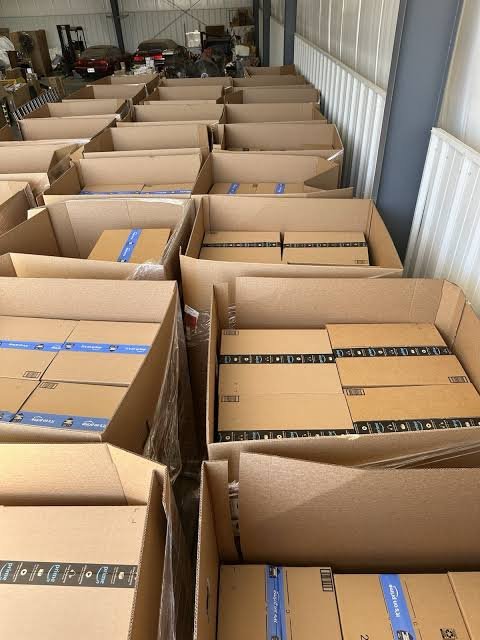
If you have been searching for what are Amazon mystery boxes, you are not alone. Amazon mystery boxes have become an increasingly interesting option for shoppers, bargain hunters, and online resellers looking for assorted merchandise at potentially attractive prices. An Amazon Mystery Box is generally a package containing multiple products where the buyer does not know the exact contents of every item before making the purchase. Instead, the seller usually provides general information about the product category, quantity, condition, or possible merchandise included in the box – What Are Amazon Mystery Boxes.
Understanding what are Amazon mystery boxes requires understanding the broader liquidation and secondary-market industry. Retailers and businesses handle enormous quantities of merchandise, including customer returns, overstock, excess inventory, open-box products, and other goods. Some of this inventory can eventually enter secondary markets where businesses package and sell assorted merchandise to consumers, wholesalers, and resellers – What Are Amazon Mystery Boxes.
Because the exact contents are not completely revealed in advance, Amazon mystery boxes combine merchandise sourcing with an element of uncertainty. A box could contain electronics, clothing, home products, tools, accessories, toys, beauty products, or other general merchandise depending on the seller and the inventory source – What Are Amazon Mystery Boxes.
How Do Amazon Mystery Boxes Work?
One of the most important questions after asking what are Amazon mystery boxes is how they actually work. The process can vary from one seller to another, but the basic concept is relatively simple. A seller obtains assorted merchandise, organizes the products into packages, and offers those packages for sale without revealing every individual item inside – What Are Amazon Mystery Boxes.
When you purchase an Amazon Mystery Box, you normally know the price before completing the transaction. You may also receive information about the expected number of products, general product categories, estimated retail value, or merchandise condition. However, unless the seller provides a complete manifest, you may not know exactly which products will arrive – What Are Amazon Mystery Boxes.
This uncertainty is one of the defining characteristics of Amazon mystery boxes. Some shoppers enjoy the surprise, while resellers may be more interested in the opportunity to discover products that can potentially be sold individually – What Are Amazon Mystery Boxes.
Where Can Amazon Mystery Box Merchandise Come From?
When researching what are Amazon mystery boxes, it is important to understand that the merchandise can come from different sources. Depending on the seller, inventory may be associated with customer returns, overstock, excess inventory, open-box products, closeouts, or other liquidation channels – What Are Amazon Mystery Boxes.
Customer returns are particularly relevant to the liquidation industry. Customers return products for many reasons, including changing their minds, ordering the wrong product, receiving damaged merchandise, or deciding that the product does not meet their needs – What Are Amazon Mystery Boxes.
Amazon explains more about the handling of returned merchandise in its official resource, What happens to Amazon returns?. This provides useful background for understanding how returned merchandise can move through different processing and resale channels.
Overstock is another potential source of liquidation inventory. Overstock refers to merchandise that a business has in quantities beyond what it currently needs. Products can become overstock because of seasonal changes, changing consumer demand, product replacements, or purchasing decisions – What Are Amazon Mystery Boxes.
Are Amazon Mystery Boxes Sold Directly by Amazon?
A common misunderstanding when researching what are Amazon mystery boxes is assuming that every seller advertising an “Amazon Mystery Box” is Amazon itself – What Are Amazon Mystery Boxes.
The phrase can be used by independent businesses, liquidation companies, wholesalers, and other sellers offering assorted merchandise. Therefore, buyers should always identify who is actually selling the box before placing an order.
Amazon also has an official liquidation marketplace operated through B-Stock. The Amazon Liquidation Auctions marketplace provides qualified business buyers with access to liquidation inventory through an auction-based marketplace.
This distinction is important because not every website using the term Amazon Mystery Box is affiliated directly with Amazon. Always research the seller, read the terms, and understand exactly what you are purchasing.
What Can Be Inside Amazon Mystery Boxes?
Another major question surrounding what are Amazon mystery boxes is what buyers can expect to find inside them. There is no universal list because every seller and inventory source can be different.
Depending on the specific box, Amazon mystery boxes may contain:
- Consumer electronics
- Mobile phone accessories
- Home and kitchen products
- Tools and hardware
- Clothing and apparel
- Shoes and fashion accessories
- Toys and games
- Beauty and personal-care products
- Pet supplies
- Office and school supplies
- Small appliances
- General merchandise
Some boxes may concentrate on a particular product category, while others may contain a mixture of different products. For that reason, buyers should read the product description carefully before purchasing an Amazon Mystery Box.
Why Are Amazon Mystery Boxes Popular?
There are several reasons Amazon mystery boxes attract attention. For consumers, the surprise element can make the purchase more exciting than selecting individual products. Buyers may enjoy opening the package and discovering products they were not expecting.
For resellers, the appeal can be different. A mystery box can provide access to assorted merchandise through one purchase. Instead of sourcing each product individually, a reseller can receive multiple products and then sort, inspect, research, and list them through different sales channels.
However, the possibility of finding valuable merchandise should not be confused with guaranteed profit. When considering what are Amazon mystery boxes worth for a resale business, you need to consider the actual condition of the products, current demand, selling expenses, and realistic market prices.
Amazon Mystery Boxes and Product Condition
Product condition is one of the most important factors to consider when buying Amazon mystery boxes. Depending on the seller, the merchandise may be new, open-box, used, returned, damaged, incomplete, or untested.
A customer-return product may look almost new, while another returned product may have visible signs of use or missing accessories. An open-box product may have been removed from its original packaging but remain functional, while an untested product may require additional inspection before it can be safely listed for resale.
Before buying an Amazon Mystery Box, always check whether the seller clearly explains the merchandise condition. If the condition is unclear, ask questions before making the purchase – What Are Amazon Mystery Boxes.
Amazon Mystery Boxes for Resellers
Resellers are often particularly interested in what are Amazon mystery boxes because these packages can provide multiple products for a single acquisition cost – What Are Amazon Mystery Boxes.
A reseller may inspect the merchandise, identify products with strong demand, clean or test items when necessary, photograph the products, and list them individually. If the combined revenue from the sales exceeds the total acquisition and operating costs, the transaction may generate a profit – What Are Amazon Mystery Boxes.
However, successful reselling requires realistic calculations. The purchase price is only one part of the total investment. Shipping, marketplace fees, packaging, repairs, storage, advertising, customer returns, and unsold merchandise can all affect the final result – What Are Amazon Mystery Boxes.
Are Amazon Mystery Boxes Good for Beginners?
For beginners, Amazon mystery boxes can provide an introduction to assorted liquidation inventory without necessarily requiring the purchase of a full truckload or large pallet – What Are Amazon Mystery Boxes.
A smaller Amazon Mystery Box can allow a new reseller to learn how to inspect products, research market prices, create listings, photograph inventory, package orders, and communicate with customers – What Are Amazon Mystery Boxes.
However, beginners should start cautiously. Do not assume that an inexpensive box automatically represents a profitable opportunity. The best way to learn is to start with an amount you can afford, track your actual results, and use those results to improve future purchasing decisions – What Are Amazon Mystery Boxes.
What Should You Check Before Buying an Amazon Mystery Box?
Before purchasing Amazon mystery boxes, research the seller carefully. Check the company information, product description, merchandise condition, quantity, shipping costs, refund policy, and payment options – What Are Amazon Mystery Boxes.
You should also determine whether the product photographs show the actual contents or are simply examples of merchandise that could potentially be included – What Are Amazon Mystery Boxes.
The Federal Trade Commission’s online shopping guidance provides useful information about researching sellers, understanding online purchasing terms, and protecting yourself when buying from unfamiliar businesses.
Amazon Mystery Boxes Versus Liquidation Pallets
Another useful way to understand what are Amazon mystery boxes is to compare them with liquidation pallets – What Are Amazon Mystery Boxes.
An Amazon Mystery Box is generally a smaller assortment of products with some uncertainty surrounding the exact contents. A liquidation pallet typically contains a much larger quantity of merchandise and may sometimes provide more detailed information about the products before purchase – What Are Amazon Mystery Boxes.
Neither option is automatically better. A mystery box may be more suitable for someone with limited storage space, while a pallet may be more appropriate for an established reseller with larger storage capacity and established sales channels – What Are Amazon Mystery Boxes.
If you are interested in comparing different types of liquidation inventory, you can browse our liquidation products and explore different merchandise categories available for sourcing.
Understanding the Risk Behind Amazon Mystery Boxes
The word “mystery” is important when explaining what are Amazon mystery boxes. The buyer accepts some degree of uncertainty in exchange for the opportunity to receive an assortment of merchandise – What Are Amazon Mystery Boxes.
That means there is no guarantee that every box will contain high-value products. Some merchandise may sell quickly, while other products may require additional work or may have limited demand – What Are Amazon Mystery Boxes.
Smart buyers therefore approach Amazon mystery boxes with realistic expectations. Research the seller, understand the condition, calculate your complete costs, and determine whether the potential value makes sense for your particular situation – What Are Amazon Mystery Boxes.
Final Thoughts on What Are Amazon Mystery Boxes?
So, what are Amazon mystery boxes? They are packages containing assorted merchandise where the exact contents are not completely disclosed before purchase. Depending on the seller and inventory source, an Amazon Mystery Box may contain customer returns, overstock merchandise, open-box products, excess inventory, electronics, clothing, home products, tools, accessories, toys, or other general merchandise – What Are Amazon Mystery Boxes.
The popularity of Amazon mystery boxes comes from their combination of variety, convenience, and uncertainty. For consumers, the surprise can be part of the experience. For resellers, the primary attraction is the possibility of acquiring multiple products that can potentially be resold individually – What Are Amazon Mystery Boxes.
However, buyers should never assume that an Amazon Mystery Box automatically represents a profitable investment. The actual value depends on product condition, customer demand, current market prices, shipping expenses, selling fees, and the buyer’s ability to process and sell the merchandise – What Are Amazon Mystery Boxes.
Understanding what are Amazon mystery boxes is therefore only the beginning. Before purchasing, research the seller, read the terms carefully, understand the merchandise condition, calculate the complete cost, and maintain realistic expectations about potential resale value – What Are Amazon Mystery Boxes.
What Can You Find Inside Amazon Mystery Boxes?
After understanding what are Amazon mystery boxes, the next question most buyers have is what they can actually expect to find inside the package. The answer is that Amazon mystery boxes can contain a wide variety of merchandise depending on the seller, inventory source, product category, quantity, and condition of the products. Unlike a conventional product purchase, where you know exactly what you are buying, an Amazon Mystery Box usually contains an assortment where some or all of the individual products are not revealed before purchase – What Are Amazon Mystery Boxes.
For shoppers, this uncertainty can make opening Amazon mystery boxes exciting. For resellers, however, understanding the possible contents is much more important because the condition, demand, and resale potential of each product can directly affect the profitability of the purchase. This is why anyone researching what are Amazon mystery boxes should look beyond the surprise factor and understand the different types of merchandise that may be included – What Are Amazon Mystery Boxes.
1. Consumer Electronics
Consumer electronics are among the categories that buyers may encounter when purchasing Amazon mystery boxes. Depending on the specific inventory, an Amazon Mystery Box may contain headphones, speakers, keyboards, computer accessories, charging equipment, cables, adapters, smart-home accessories, and other technology products – What Are Amazon Mystery Boxes.
Electronics can be attractive to resellers because certain brands and models may have strong demand. However, electronics can also carry additional risk because returned or open-box products may have functional problems, missing accessories, damaged components, or battery issues – What Are Amazon Mystery Boxes.
If your Amazon Mystery Box contains electronics, inspect and test the products whenever possible. Check whether devices power on, charge correctly, connect properly, and contain the accessories needed for normal use – What Are Amazon Mystery Boxes.
2. Clothing and Fashion Products
Clothing is another category that may appear in Amazon mystery boxes. Depending on the seller, buyers may receive shirts, jackets, dresses, trousers, shoes, bags, hats, belts, and other fashion-related products – What Are Amazon Mystery Boxes.
Fashion merchandise can be attractive for resellers because individual products can be photographed and listed separately. However, clothing resale value depends heavily on size, condition, brand, style, season, and current customer demand – What Are Amazon Mystery Boxes.
When inspecting clothing from an Amazon Mystery Box, check carefully for stains, tears, damaged zippers, missing buttons, odors, or other signs of use. Products with original tags and intact packaging may have significantly different resale potential from used or damaged merchandise – What Are Amazon Mystery Boxes.
3. Home and Kitchen Merchandise
Home and kitchen products can also be found inside Amazon mystery boxes. This category can include kitchen utensils, storage containers, organizers, household accessories, décor, cleaning products, small appliances, and other home-related merchandise – What Are Amazon Mystery Boxes.
One advantage of home and kitchen merchandise is its broad customer appeal. However, larger or heavier products can create additional storage and shipping expenses – What Are Amazon Mystery Boxes.
When evaluating what are Amazon mystery boxes for resale, consider not only the estimated value of the products but also how much space they require and how expensive they will be to package and ship – What Are Amazon Mystery Boxes.
4. Tools and Hardware
Tools and hardware can also be included in certain Amazon mystery boxes. Possible products include hand tools, measuring equipment, workshop accessories, hardware, tool organizers, and other products designed for home improvement or professional use – What Are Amazon Mystery Boxes.
Tools should be inspected carefully before resale. Check for cracks, rust, damaged handles, missing components, worn parts, and other defects. Battery-powered tools should be tested when possible – What Are Amazon Mystery Boxes.
A professional-looking product should not automatically be assumed to have a high resale value. When researching what are Amazon mystery boxes, identify the exact brand and model and compare its current market price before assigning a selling price – What Are Amazon Mystery Boxes.
5. Mobile Phone Accessories
Small mobile-device accessories can be another component of Amazon mystery boxes. These products may include phone cases, charging cables, adapters, stands, holders, screen protectors, wireless accessories, and other mobile products – What Are Amazon Mystery Boxes.
Small accessories can be convenient for resellers because they generally require less storage space and are relatively easy to package. However, compatibility is extremely important – What Are Amazon Mystery Boxes.
A phone case designed for an older model may have limited demand, while a compatible accessory for a popular device may sell more quickly. Therefore, identify the exact model and compatibility of accessories before listing products from an Amazon Mystery Box – What Are Amazon Mystery Boxes.
6. Toys and Games
Toys, puzzles, games, collectibles, educational products, and children’s entertainment merchandise can also appear in Amazon mystery boxes.
Condition is especially important with this category. Check whether the packaging has been opened and whether the product contains all of its required pieces or components – What Are Amazon Mystery Boxes.
Resellers should also be aware that children’s products can be subject to specific safety and marketplace requirements. Before listing toys from an Amazon Mystery Box, make sure you understand the requirements that apply to the product and your intended selling platform – What Are Amazon Mystery Boxes.
7. Beauty and Personal-Care Products
Beauty and personal-care products may also be found in some Amazon mystery boxes. Examples can include cosmetics, grooming accessories, skincare products, hair accessories, personal-care tools, and related merchandise – What Are Amazon Mystery Boxes.
These products require careful inspection before resale. Check seals, packaging, expiration information where applicable, and overall product condition – What Are Amazon Mystery Boxes.
When researching what are Amazon mystery boxes, remember that receiving a product does not automatically mean that it is suitable for resale. Buyers should inspect merchandise carefully and follow the rules of their intended marketplace – What Are Amazon Mystery Boxes.
8. Pet Supplies
Pet supplies can also form part of an Amazon Mystery Box. These products may include pet toys, feeding accessories, grooming products, storage products, collars, household pet accessories, and other merchandise – What Are Amazon Mystery Boxes.
Pet products can appeal to a broad customer market, but condition remains important. Products that are damaged, used, contaminated, incomplete, or otherwise unsuitable may have little resale value – What Are Amazon Mystery Boxes.
This demonstrates an important principle when learning what are Amazon mystery boxes: the category of a product does not determine its value by itself. Condition, brand, demand, completeness, and market price all matter – What Are Amazon Mystery Boxes.
9. Office and School Supplies
Office and school products are another possible category inside Amazon mystery boxes. Examples include stationery, notebooks, desk organizers, storage products, computer accessories, educational supplies, and other office merchandise – What Are Amazon Mystery Boxes.
These products can be useful for resellers who already serve customers interested in office, educational, or business supplies. Smaller products can also be combined into themed bundles – What Are Amazon Mystery Boxes.
However, demand can vary depending on the product, season, brand, and target market. Research current demand before assuming that every office product from an Amazon Mystery Box will sell quickly.
10. General Merchandise
Some Amazon mystery boxes contain general merchandise rather than focusing on one specific category. This means one package could contain several completely different types of products – What Are Amazon Mystery Boxes.
A mixed Amazon Mystery Box might contain electronics, household products, accessories, tools, clothing, toys, and other merchandise in the same shipment.
The advantage is variety. The disadvantage is that mixed inventory can require more work to process. You may need to identify different products, research multiple markets, photograph individual items, test electronics, organize stock, and create separate listings.
Can Amazon Mystery Boxes Contain Customer Returns?
Customer returns are an important part of the broader liquidation industry and help explain what are Amazon mystery boxes and where some of their merchandise may originate.
Customers return products for many different reasons. A customer may change their mind, order the wrong item, receive a damaged product, discover a defect, or decide that the product does not meet their expectations.
Because returns happen for different reasons, returned merchandise can vary considerably in condition.
Amazon explains its returns and recommerce processes in its official resource, What happens to Amazon returns?. This provides useful background on how returned products can be evaluated and directed toward different outcomes.
Can Amazon Mystery Boxes Contain Overstock?
Overstock is another potential source of merchandise for Amazon mystery boxes. Overstock generally refers to products that are available in quantities beyond what a retailer or seller currently needs.
Overstock can occur because of seasonal changes, changes in customer demand, product replacements, purchasing decisions, or other inventory-management factors.
Overstock products may be unused, but buyers should still verify the condition with the seller. Do not assume that every Amazon Mystery Box described as containing overstock merchandise is automatically new or complete.
For additional information about Amazon-related liquidation inventory, qualified business buyers can review the Amazon Liquidation Auctions marketplace.
Does Every Amazon Mystery Box Contain High-Value Products?
No. This is one of the most important points to understand when asking what are Amazon mystery boxes.
An Amazon Mystery Box can contain products with different levels of resale potential. Some items may have strong current demand, while others may be inexpensive, outdated, incomplete, damaged, or difficult to sell.
An advertised retail value also does not guarantee the amount of money a reseller can generate. For example, a box might contain products that originally had a combined retail price of $1,000, but current resale prices could be much lower.
Market competition, condition, product age, customer demand, shipping costs, marketplace fees, and missing accessories can all reduce the amount a reseller ultimately receives.
How Should Resellers Evaluate Amazon Mystery Boxes?
If you purchase Amazon mystery boxes for resale, organize and inspect the merchandise as soon as it arrives. Separate the inventory into practical categories based on condition and resale potential.
- High-demand products: Items with strong current customer interest.
- Standard resale products: Merchandise that can be listed after normal inspection.
- Products requiring testing: Electronics and other items that need functional checks.
- Products requiring cleaning: Items that need preparation before listing.
- Incomplete products: Items missing accessories or components.
- Low-value products: Items that may work better as bundles.
- Unsuitable merchandise: Products that should not be resold in their current condition.
This process allows you to evaluate the actual value of your Amazon Mystery Box instead of relying entirely on an advertised retail-value estimate.
How to Research Products From Amazon Mystery Boxes
Research is essential when deciding whether Amazon mystery boxes are suitable for your resale business.
Start by identifying the exact product, brand, model number, size, version, and condition. Then research comparable products and realistic current selling prices.
Do not rely only on the highest price you see online. A product listed for $100 is not necessarily selling for $100. Consider actual market demand and the competition you will face when listing the product.
You should also calculate selling fees, packaging, shipping, repairs, storage, and possible customer returns before estimating your potential profit.
Why Product Knowledge Matters
Product knowledge can make a major difference when working with Amazon mystery boxes.
A knowledgeable reseller can identify valuable models, recognize missing components, understand product specifications, test merchandise, research market prices, and create accurate product listings.
This is why beginners should consider starting with products they already understand. If you know electronics, an electronics-focused Amazon Mystery Box may be easier for you to evaluate. If you understand fashion, apparel may be more appropriate.
Explore Other Liquidation Inventory
Amazon mystery boxes are only one option for sourcing liquidation merchandise. Resellers can also consider customer-return lots, overstock inventory, liquidation pallets, truckloads, closeouts, and other wholesale opportunities.
If you want to compare different liquidation products and sourcing opportunities, you can browse our liquidation inventory and explore different merchandise categories.
Final Thoughts: What Are Amazon Mystery Boxes Likely to Contain?
So, what are Amazon mystery boxes likely to contain? The answer depends on the seller and the inventory source. Buyers may encounter electronics, clothing, home and kitchen products, tools, mobile accessories, toys, beauty products, pet supplies, office products, and general merchandise.
This variety is one of the biggest attractions of Amazon mystery boxes, but it is also one of the reasons buyers need to perform proper research before making a purchase.
For consumers, the mystery can be part of the experience. For resellers, the focus should be on product condition, demand, resale value, processing costs, and realistic profit potential.
The most important lesson when learning what are Amazon mystery boxes is that no particular product category or advertised retail value guarantees a profit. The actual value of a mystery box depends on what arrives, the condition of the merchandise, what customers are willing to pay, and how efficiently the buyer can sell the products.
Understanding the possible contents of Amazon mystery boxes gives buyers a much stronger foundation for evaluating the next question: how much should you actually pay for a mystery box, and how can you determine whether the potential value justifies the cost?
How Much Do Amazon Mystery Boxes Cost?
After learning what are Amazon mystery boxes and what types of products can be found inside them, the next question is how much these boxes actually cost. The price of Amazon mystery boxes can vary significantly depending on the seller, number of products, merchandise category, product condition, estimated retail value, shipping costs, and the type of inventory included.
There is no universal price for an Amazon Mystery Box. Some boxes are designed for individual shoppers and may contain only a few products, while others are created for resellers and can contain considerably more liquidation merchandise. Understanding how pricing works is therefore an important part of learning what are Amazon mystery boxes and determining whether a particular box is worth purchasing.
What Determines the Price of Amazon Mystery Boxes?
Several factors can influence the price of Amazon mystery boxes. The quantity of merchandise is one of the most obvious factors. A box containing five products will generally have a different price from a box containing 20, 50, or more products.
The type of merchandise can also affect the price. An Amazon Mystery Box containing electronics may have a different price from a box containing clothing, household products, toys, tools, accessories, or general merchandise.
Product condition is another major consideration. New and unused merchandise can have different value from customer returns, open-box products, used items, damaged merchandise, or untested inventory.
When researching what are Amazon mystery boxes, do not look only at the advertised purchase price. Consider what you are actually receiving for that price and what it may realistically be worth after you receive it.
Does a More Expensive Amazon Mystery Box Mean a Better Deal?
Not necessarily. A more expensive Amazon Mystery Box is not automatically a better opportunity.
For example, imagine two Amazon mystery boxes:
- Box A: $200 with 20 assorted products.
- Box B: $500 with 30 assorted products.
Box A has the lower purchase price, but that does not automatically make it the better deal. If many products in Box A have low demand while Box B contains products that are easier to sell, the more expensive box could potentially produce a better result.
This is why buyers should not ask only what are Amazon mystery boxes worth based on their price. The more useful question is whether the potential value of the merchandise reasonably justifies the total amount you will spend.
Understanding Advertised Retail Value
One of the most important concepts to understand when buying Amazon mystery boxes is advertised retail value.
A seller may state that an Amazon Mystery Box contains merchandise with an estimated retail value of $1,000. However, that figure should not automatically be interpreted as the amount of money a reseller can make by selling the products.
Retail value and resale value are two different things.
A product that originally sold for $100 may no longer sell for $100 today. Its price may have fallen because a newer version was released, customer demand changed, competitors lowered their prices, or the product is no longer considered current.
Condition also matters. A new product, an open-box product, a used product, and an untested customer return can have very different market values even when they are technically the same model.
Therefore, when determining what are Amazon mystery boxes worth for resale purposes, research current market prices instead of relying entirely on an advertised retail-value figure.
Amazon Mystery Boxes and Potential Resale Profit
For resellers, the potential profitability of Amazon mystery boxes depends on much more than the original purchase price.
A simple calculation is:
Potential Profit = Sales Revenue − Total Business Costs
Total costs can include:
- Purchase price
- Shipping and freight
- Taxes and applicable charges
- Marketplace fees
- Payment-processing fees
- Packaging materials
- Cleaning expenses
- Testing expenses
- Repair costs
- Advertising expenses
- Storage costs
- Customer returns
For example, suppose you purchase an Amazon Mystery Box for $300 and pay $75 for shipping. Your initial acquisition cost is already $375.
If you spend another $25 cleaning, testing, and preparing the products for sale, your effective investment becomes $400. If the products eventually generate $600 in sales revenue, the difference is $200 before considering any additional business expenses.
This simple example demonstrates why understanding the complete cost is essential when evaluating Amazon mystery boxes.
Why Shipping Costs Matter
Shipping can significantly affect the real cost of Amazon mystery boxes. A box may initially look inexpensive until the shipping charge is added.
This is especially important when buying heavy merchandise such as tools, appliances, electronics, or household products.
Before purchasing an Amazon Mystery Box, determine whether shipping is included in the advertised price or charged separately. If the seller is located in another country, also consider possible customs duties, taxes, brokerage charges, and other import-related expenses.
A box that appears profitable before shipping may become much less attractive once all transportation costs are included.
How Many Products Should an Amazon Mystery Box Contain?
There is no universal number of products that an Amazon Mystery Box should contain.
Some boxes may contain a small number of higher-value products, while others may contain dozens of smaller items. The number of products alone does not determine whether a box is a good deal.
For example, a box containing 50 inexpensive accessories may appear attractive because of the quantity. However, selling 50 individual products can require considerable time for photography, listing, customer communication, packaging, and shipping.
Another Amazon Mystery Box may contain only 10 products, but if those products have strong demand and higher resale potential, the smaller box could produce a better return.
Calculating the Average Cost Per Item
One useful calculation when evaluating Amazon mystery boxes is the approximate acquisition cost per item.
Suppose an Amazon Mystery Box costs $400 and contains 20 products. The simple average acquisition cost would be $20 per item.
However, this is only a starting point. It does not mean that every item is actually worth $20.
One product could potentially sell for $100, another could sell for $30, and another could be damaged or have little resale demand.
This is why experienced resellers evaluate individual products instead of assuming that every item contributes equally to the value of the box.
How to Calculate the Real Value of Amazon Mystery Boxes
To properly understand what are Amazon mystery boxes worth, separate the merchandise into categories after receiving the shipment.
- Identify every product.
- Record the brand and model where applicable.
- Check the condition of each product.
- Determine whether accessories are included.
- Research current market prices.
- Estimate realistic selling prices.
- Calculate marketplace and payment fees.
- Estimate shipping and packaging expenses.
- Account for repairs, cleaning, or testing.
- Consider possible returns and unsold merchandise.
- Calculate your expected net revenue.
This method provides a much more realistic assessment than simply adding together the original retail prices of the products.
Can Amazon Mystery Boxes Be Profitable for Resellers?
Amazon mystery boxes can potentially be profitable for resellers, but profitability is never guaranteed.
The outcome depends on several factors, including inventory quality, purchase price, merchandise condition, customer demand, selling ability, operating costs, and current market conditions.
A reseller with established sales channels and strong product knowledge may be better positioned to identify valuable products and sell them efficiently.
Someone who is unfamiliar with the merchandise may spend considerably more time researching products, testing items, creating listings, and dealing with inventory that does not sell quickly.
Therefore, when asking what are Amazon mystery boxes worth for your business, you need to consider not only the merchandise but also your own ability to process and sell it.
What Makes an Amazon Mystery Box a Good Deal?
A good Amazon Mystery Box should make sense based on its total acquisition cost, expected resale value, and your ability to sell the merchandise.
Before purchasing, look for:
- A transparent and identifiable seller
- Clear merchandise-condition information
- Reasonable purchase pricing
- Manageable shipping costs
- Products with identifiable market demand
- A quantity you can realistically process
- Clear purchasing terms
- Realistic claims about product value
Do not judge Amazon mystery boxes solely by the number of products included or the highest possible retail value advertised by the seller.
Warning Signs When Buying Amazon Mystery Boxes
There are several warning signs buyers should take seriously when evaluating Amazon mystery boxes.
Be cautious if the seller provides very little information about the merchandise, refuses to explain the product condition, gives unrealistic profit promises, or uses high-pressure tactics to encourage an immediate purchase.
You should also be careful if the advertised value appears to depend heavily on one or two expensive products without clear evidence that those products will actually be included.
When researching what are Amazon mystery boxes, transparency is one of the most important characteristics to look for in a seller.
Research the Seller Before Buying
Before purchasing an Amazon Mystery Box, research the seller carefully. Look for company information, customer-service details, shipping policies, refund terms, payment options, and customer feedback.
The Federal Trade Commission’s online shopping guidance provides useful information for consumers who are researching unfamiliar online sellers and making purchases online.
For resellers, this step is even more important because purchasing liquidation merchandise can involve a larger financial commitment than an ordinary consumer purchase.
Compare Amazon Mystery Boxes With Other Liquidation Options
Amazon mystery boxes are only one way to source liquidation inventory. Depending on your business model, you may also consider customer-return lots, overstock merchandise, liquidation pallets, truckloads, closeout inventory, and other wholesale products.
Each inventory format has its own advantages and disadvantages. Mystery boxes may require less storage space than large pallets, while pallets and truckloads may provide larger quantities for established resellers.
If you want to compare different liquidation products, you can browse our liquidation inventory and explore different categories of merchandise available for sourcing.
How Much Should You Spend on an Amazon Mystery Box?
There is no universal amount that every buyer should spend on an Amazon Mystery Box.
Your budget should depend on your financial situation, storage capacity, experience level, selling channels, and ability to absorb potential losses.
Beginners may prefer to start with a smaller purchase so they can understand the process without committing too much capital. More experienced resellers with established sales channels may be comfortable purchasing larger quantities.
The key principle is simple: never spend more than you can reasonably afford to have tied up in inventory.
Final Thoughts on Amazon Mystery Box Pricing
Understanding what are Amazon mystery boxes means understanding that the purchase price alone does not determine whether a box represents a good opportunity.
The real value of Amazon mystery boxes depends on the merchandise inside, product condition, current customer demand, realistic resale prices, shipping expenses, marketplace fees, preparation costs, and the amount of time required to sell the inventory.
A box advertised with a high retail value can still produce disappointing results if the products are outdated, damaged, incomplete, or difficult to sell. On the other hand, a reasonably priced Amazon Mystery Box containing products with strong demand may offer a better opportunity.
Before making a purchase, calculate the complete acquisition cost, research realistic resale prices, investigate the seller, and leave room for unexpected expenses. Do not confuse advertised retail value with guaranteed profit.
The goal is not simply to find the cheapest Amazon mystery boxes. The goal is to find inventory where the potential value reasonably justifies the money, time, storage space, and effort required to turn that inventory into sales.
Once you understand how pricing and resale value work, the next step is to examine the advantages and disadvantages of Amazon mystery boxes so you can determine whether this type of inventory is actually suitable for your shopping or reselling goals.
How to Buy Amazon Mystery Boxes Safely
Now that we have answered what are Amazon mystery boxes, explained where the merchandise can come from, and looked at the types of products they may contain, the next question is how to buy them without taking unnecessary risks. Whether you are a first-time buyer or an experienced reseller, purchasing a mystery box requires more than simply finding an attractive price.
Amazon mystery boxes can provide access to assorted merchandise at potentially competitive prices, but the contents are not completely known before purchase. That uncertainty means buyers need to evaluate the seller, merchandise condition, total cost, and potential resale value before placing an order.
1. Research the Seller Before Buying
The first step is researching the company or individual selling the Amazon mystery boxes. A professional-looking website alone does not prove that a seller is legitimate.
Look for clear company information, customer-service details, shipping policies, refund terms, and independent reviews. Search the business name online and look for customer experiences from sources that are not controlled by the seller.
Be especially cautious when a seller provides very little information about the company or refuses to answer basic questions about the inventory.
The Federal Trade Commission’s online shopping guidance recommends researching sellers, understanding transaction terms, and checking policies before purchasing from unfamiliar online businesses.
2. Understand Exactly What You Are Buying
Before purchasing, read the complete product description. Understanding what are Amazon mystery boxes also means understanding what the seller is actually promising.
Check whether the box contains:
- Customer returns
- Overstock merchandise
- Open-box products
- New products
- Used merchandise
- Untested products
- Damaged products
- Mixed-condition inventory
Do not assume that a mystery box contains new merchandise unless the seller clearly states this and the terms support the claim.
3. Check Whether the Contents Are Guaranteed
One of the most important things to understand about Amazon mystery boxes is the difference between guaranteed contents and possible contents.
If a listing says that a particular product category “may be included,” that does not mean the product is guaranteed. Similarly, photographs may represent examples rather than the exact products that will arrive.
Read the wording carefully before purchasing. If you are unsure whether a product is guaranteed, ask the seller before placing the order.
4. Calculate Your Total Cost
The advertised price of an Amazon Mystery Box is only one part of the investment.
Your actual acquisition cost may include:
- Purchase price
- Shipping or freight
- Taxes
- Customs or import charges where applicable
- Marketplace fees
- Packaging materials
- Cleaning expenses
- Testing costs
- Repair costs
- Storage expenses
For example, if you purchase a box for $300 and spend another $80 on shipping and $40 preparing the products for resale, your effective cost is already $420.
This calculation is essential for anyone buying Amazon mystery boxes as business inventory.
5. Do Not Confuse Retail Value With Resale Value
This is one of the most important principles for new resellers.
A seller may advertise a box with an estimated retail value of $1,000. However, that does not mean you can sell the contents for $1,000.
Retail value represents what products may have sold for under particular retail circumstances. Resale value depends on current demand, condition, competition, platform fees, shipping, seasonality, and other market factors.
When evaluating Amazon mystery boxes, focus on realistic selling prices rather than the largest number shown in the advertisement.
6. Research the Products Before Listing Them
After receiving your box, identify each product accurately.
Record the brand, model, product number, size, version, condition, and included accessories. Then research comparable products across relevant marketplaces.
Do not automatically use the highest listing price you can find. A product advertised for $100 is not necessarily selling for $100.
Look for realistic market prices and consider how quickly similar products are selling.
7. Inspect Every Product
Inspection is particularly important when buying Amazon mystery boxes containing customer returns or mixed-condition merchandise.
Check for:
- Physical damage
- Missing accessories
- Broken components
- Signs of previous use
- Packaging damage
- Missing instructions
- Incorrect product versions
- Functional problems
Electronic products should be tested whenever possible. Clothing should be checked for stains, tears, odors, and other defects. Products with multiple components should be checked for completeness.
8. Document What You Receive
When your Amazon Mystery Box arrives, document the shipment before immediately distributing or selling the products.
Take photographs of the package, shipping label, packaging condition, and merchandise. Count the items and compare them with the seller’s description.
Keep your invoice, order confirmation, product description, and seller communications.
This documentation can be valuable if the merchandise differs significantly from the advertised description or if you need to communicate with the seller about an order problem.
9. Use Appropriate Payment Methods
Payment security should also be part of your purchasing strategy.
Be cautious if a seller insists that you use gift cards, cryptocurrency, wire transfers, or another payment method that provides limited protection.
The FTC’s guidance on payment methods and scams explains why consumers should be cautious when a seller insists on payment methods that can make it difficult to recover money.
Where appropriate, use a payment method that provides transaction records and reasonable buyer protections.
10. Be Suspicious of Unrealistic Deals
If an Amazon Mystery Box appears to offer an extraordinary amount of expensive merchandise for an extremely low price, slow down before purchasing.
A seller claiming that every $50 box contains hundreds of dollars of premium electronics should be able to explain the offer clearly. If the seller provides no meaningful company information, uses aggressive pressure tactics, or refuses to answer basic questions, consider looking elsewhere.
A legitimate opportunity does not need to depend entirely on unrealistic promises.
11. Start Small
Beginners should avoid spending a large amount of money on their first mystery-box purchase.
Starting with a smaller order allows you to evaluate the seller, inspect the merchandise, calculate your actual resale results, and understand how much time is required to process the inventory.
If your first Amazon Mystery Box produces good results and the seller proves reliable, you can gradually consider larger purchases.
12. Choose Products You Understand
The best mystery box for one reseller may be completely unsuitable for another.
If you understand consumer electronics, you may be comfortable testing electronic products. If you specialize in fashion, apparel and footwear may be easier for you to evaluate. If you already sell household merchandise, a general merchandise box may fit your existing business model.
When deciding what are Amazon mystery boxes worth to your business, consider your own product knowledge rather than relying only on the advertised value.
13. Consider Storage and Handling
Inventory requires physical space.
A small mystery box may be easy to store, but multiple purchases can quickly create a large amount of unsorted merchandise.
Before purchasing Amazon mystery boxes, consider where you will store the products, how you will organize them, and how quickly you can process the inventory.
Storage becomes particularly important when purchasing larger liquidation lots or pallets.
14. Calculate Your Potential Profit
A simple profitability calculation can help you determine whether a mystery box makes sense.
Estimated Profit = Total Sales Revenue − Total Business Costs
Suppose you purchase an Amazon Mystery Box for $300. After shipping, preparation, packaging, marketplace fees, and other expenses, your total cost reaches $450.
If the products eventually generate $650 in legitimate sales revenue, your estimated profit before other business expenses would be $200.
However, if the same box generates only $400 in sales, you would have a loss.
This is why the purchase price alone cannot determine whether a mystery box is a good deal.
15. Consider Your Time
Resellers sometimes focus on product costs while ignoring labor.
Sorting, cleaning, testing, photographing, researching, listing, packaging, answering customer questions, and handling returns all take time.
An Amazon Mystery Box containing 50 inexpensive products may look attractive because of the quantity, but processing 50 individual listings could require considerably more work than processing a smaller box containing 10 higher-value products.
Time should therefore be considered part of your overall business economics.
Are Amazon Mystery Boxes Worth It?
So, after answering what are Amazon mystery boxes and explaining how they work, are they actually worth buying?
The answer depends on the buyer.
For someone who enjoys the surprise element and is purchasing for personal use, the experience itself may be part of the value.
For a reseller, however, the decision should be based primarily on economics. The box can be worthwhile when the purchase price is reasonable, the inventory has genuine demand, the condition is acceptable, and the expected revenue is greater than the total cost of acquiring and selling the products.
There is no guaranteed profit simply because the merchandise is associated with Amazon or because the seller advertises a high estimated retail value.
Amazon Mystery Boxes for Beginners
Beginners can use Amazon mystery boxes as a way to learn about liquidation and resale inventory, but they should approach the process carefully.
Start with a manageable amount of inventory. Learn how to inspect products, research market prices, create accurate listings, calculate selling fees, and track your results.
After several transactions, you should have enough information to determine which categories and suppliers work best for your business.
Amazon Mystery Boxes for Experienced Resellers
Experienced resellers may approach Amazon mystery boxes differently because they already understand sourcing, pricing, customer demand, and inventory management.
A reseller with established sales channels can potentially process mixed merchandise more efficiently. They may also have the knowledge required to identify valuable products and move lower-value items through bundles, discount sales, or alternative channels.
However, experience does not eliminate risk. Every shipment should still be evaluated according to its cost, condition, and realistic resale potential.
When a Liquidation Pallet May Be Better
Not every reseller needs mystery boxes.
If you prefer greater inventory visibility, a manifested liquidation pallet may be more appropriate. Pallets can provide larger quantities of merchandise and, depending on the listing, additional information about the products before purchase.
If you are looking for different types of liquidation inventory, you can browse our liquidation products and compare available merchandise based on your sourcing strategy.
Key Questions to Ask Before Buying
Before purchasing an Amazon Mystery Box, ask yourself these questions:
- Who is selling the box?
- Is the seller transparent about the inventory source?
- What condition is the merchandise in?
- How many products are included?
- Are the contents guaranteed or only examples?
- What is my total landed cost?
- What are realistic resale prices?
- How much time will processing take?
- What happens if products arrive damaged or incomplete?
- Does the payment method provide reasonable protection?
If you cannot answer these questions, consider researching the seller further before committing your money.
Final Verdict: What Are Amazon Mystery Boxes and Should You Buy One?
What are Amazon mystery boxes? They are assorted packages in which the exact contents are not completely revealed before purchase. The merchandise can come from different secondary-market sources, including customer returns, overstock, excess inventory, and other liquidation channels, depending on the seller.
Amazon mystery boxes can offer opportunities for consumers and resellers, but they also involve uncertainty. The smartest buyers do not purchase simply because a box looks exciting or because an advertisement promises a large retail value.
Instead, they investigate the seller, understand the merchandise condition, calculate the complete acquisition cost, research realistic resale prices, and consider the time required to process the inventory.
For beginners, starting small is usually the safer approach. For experienced resellers, mystery boxes can become another sourcing option when the numbers make sense.
Ultimately, the question is not simply whether Amazon Mystery Boxes are good or bad. The better question is whether a particular box, from a particular seller, at a particular price, contains inventory that fits your business model and has enough realistic resale potential to justify the investment.
Conclusion
Learning what are Amazon mystery boxes is only the first step. Successful buying requires research, patience, accurate calculations, and realistic expectations.
If you treat mystery boxes as a business inventory decision rather than a guaranteed-profit opportunity, you can make much more informed purchasing decisions. Compare the total cost against realistic resale revenue, inspect your products carefully, keep accurate records, and build relationships with reliable suppliers over time.
Whether you choose mystery boxes, liquidation pallets, customer-return lots, overstock inventory, or other wholesale opportunities, the same principle applies: buy carefully, know your numbers, and never assume that advertised retail value equals guaranteed profit.