
7 Powerful Ways to Buy Liquidation Pallets and Maximize Resale Profits
If you want to buy liquidation pallets for resale, choosing the right inventory is one of the most important decisions you will make. Liquidation pallets can give resellers, retailers, online sellers, and small businesses access to large quantities of merchandise at prices that may be significantly below traditional retail pricing. However, finding a low-priced pallet is only the beginning. You also need to understand the merchandise, evaluate its condition, calculate your total costs, and determine whether there is enough demand to support profitable resale.
Liquidation inventory can include overstock, customer returns, shelf pulls, discontinued merchandise, excess inventory, and other products that businesses need to move through alternative sales channels. Depending on the supplier and load, pallets may contain electronics, apparel, household products, tools, general merchandise, accessories, or mixed products.
For a new reseller, this variety can create exciting opportunities, but it can also create unnecessary risk if you purchase inventory without doing proper research. Learning how to buy liquidation pallets strategically can help you make better purchasing decisions and build a more organized resale operation.
What Are Liquidation Pallets?
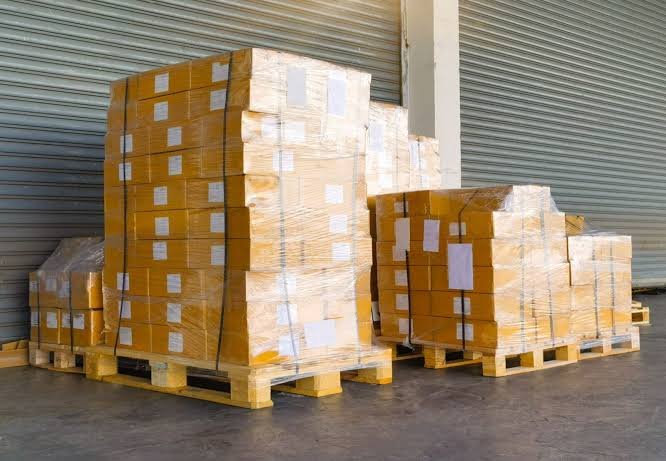
Liquidation pallets are bulk collections of merchandise assembled for resale after the original retailer, manufacturer, distributor, or business no longer needs the inventory through its normal sales channel. Instead of keeping excess merchandise in storage, businesses may liquidate it so that the inventory can be moved to another buyer.
The merchandise found on liquidation pallets can vary considerably. Some pallets may contain new and sealed products, while others may contain open-box merchandise, customer returns, shelf pulls, or products requiring inspection before resale.
This is why understanding the condition of a pallet is essential before making a purchase. A pallet containing mostly new merchandise may require less preparation than one containing customer returns that need testing, cleaning, repairs, or replacement parts.
Why Do Resellers Buy Liquidation Pallets?
The main reason businesses buy liquidation pallets is the opportunity to acquire inventory in bulk and resell individual products or groups of products to their own customers. Instead of purchasing every unit separately, a reseller can acquire multiple products through a single bulk transaction.
This model can work particularly well for entrepreneurs who already have an established customer base or access to online and offline sales channels. A reseller may sell individual products through an online store, marketplace, social media, a physical retail location, or directly to other businesses.
Liquidation pallets can also allow a reseller to experiment with different product categories. For example, someone who normally sells household merchandise may purchase a pallet of electronic accessories to determine whether there is sufficient demand among their customers.
Liquidation Pallets Are Not Guaranteed Profits
It is important to understand that purchasing liquidation inventory does not automatically guarantee a profit. A pallet may have an attractive estimated retail value, but that figure should not be treated as guaranteed resale revenue.
The actual amount you can recover depends on factors such as product condition, brand recognition, current market demand, competition, selling fees, shipping expenses, storage costs, and how quickly you can move the inventory.
For example, a pallet advertised with a high estimated retail value may contain products that originally sold for substantial prices but are now outdated, damaged, incomplete, or difficult to sell. A smart reseller therefore evaluates the actual resale potential instead of focusing only on the advertised retail value.
Understand the Different Types of Liquidation Inventory
Before you buy liquidation pallets, learn how different inventory conditions can affect your potential resale strategy.
Overstock Merchandise
Overstock consists of products that remain after a retailer or business has more inventory than it currently needs. Depending on the specific load, overstock merchandise may be new and unused, although packaging and presentation can vary.
New overstock can be attractive to resellers because products may require less preparation before being listed for sale. Nevertheless, you should still research demand and competition before purchasing.
Customer Returns
Customer returns can include products that were returned for many different reasons. Some may be unused, while others may have been opened or used. Because of this variation, returned merchandise should generally be inspected before it is listed as new.
Resellers handling customer returns should have a clear process for testing, cleaning, sorting, documenting, and pricing the products according to their actual condition.
Shelf Pulls
Shelf pulls are products removed from retail shelves for reasons such as packaging changes, product resets, seasonal changes, discontinued lines, or other inventory decisions. Their condition can vary, so inspection remains important.
Mixed General Merchandise
General merchandise pallets may contain products from several different categories. This can provide variety, but it can also make inventory management more complicated because you may need several different sales strategies to move the merchandise efficiently.
Who Can Benefit From Buying Liquidation Pallets?
Liquidation pallets can be suitable for a variety of resale businesses. New entrepreneurs may use smaller pallet purchases to learn how bulk inventory works, while experienced retailers may purchase larger quantities to support an established operation.
Potential buyers can include:
- Online resellers
- Small retail stores
- Discount retailers
- Flea market sellers
- Social media sellers
- Wholesale buyers
- Entrepreneurs starting a resale business
- Established businesses looking for additional inventory sources
The right pallet depends on your business model, available capital, storage capacity, customer demand, and ability to process the merchandise.
Start With Your Customer, Not the Pallet
One of the most effective ways to buy liquidation pallets intelligently is to start by understanding your customer. Instead of purchasing a pallet simply because it looks inexpensive, consider what products your customers are already interested in purchasing.
If your audience frequently purchases electronics, an electronics-related pallet may make more sense than a random mixed load. If your customers are interested in household products, sourcing merchandise that matches that demand can give you a clearer resale strategy.
Your existing sales data can be especially valuable. Review your previous orders and identify products, categories, price ranges, and brands that consistently attract customers.
Know Your Budget Before You Buy
Before you buy liquidation pallets, establish a realistic purchasing budget. Your budget should include more than the advertised pallet price.
Consider additional expenses such as:
- Shipping and freight
- Storage
- Unloading and handling
- Cleaning and testing
- Repairs or replacement parts
- Packaging materials
- Advertising
- Marketplace or payment fees
- Potential customer returns
Calculating your complete investment before purchasing gives you a much clearer picture of the minimum revenue you need to generate for the transaction to make financial sense.
For additional information about planning and managing a small business, the U.S. Small Business Administration Business Guide provides resources covering business planning, startup costs, financial management, marketing, and business growth.
What You Should Learn Before Your First Purchase
If this is your first time buying liquidation inventory, do not rush into a large purchase simply because the advertised discount looks attractive. Take time to understand the supplier’s inventory descriptions, product conditions, shipping arrangements, available manifests, and purchasing terms.
You should also have a plan for what happens after the pallet arrives. Know where you will store it, how you will inspect the products, how you will photograph and list them, and which sales channels you will use.
The more prepared you are before the inventory arrives, the easier it becomes to turn a bulk purchase into organized resale inventory.
Research the Liquidation Pallet Before You Buy
Knowing how to buy liquidation pallets profitably starts with learning how to evaluate the inventory before committing your money. A pallet that looks inexpensive at first may not be a good investment once you consider product condition, current market demand, shipping costs, and the amount of work required to prepare the merchandise for resale.
Before placing an order, gather as much information as possible about the pallet. Review the product category, estimated quantity, condition, available inventory details, shipping terms, and any other information provided by the supplier. The more you understand about the merchandise before purchasing, the easier it becomes to estimate your potential costs and resale opportunities.
Check Whether a Manifest Is Available
A manifest can be one of the most useful pieces of information when evaluating certain liquidation pallets. Depending on the supplier, a manifest may provide information such as product descriptions, brands, quantities, model numbers, retail values, or other inventory details.
If a manifest is available, do not simply look at the total estimated retail value. Review the individual products and determine whether there is realistic demand for those items in your target market.
For example, a pallet containing twenty different products may have a high combined retail value, but that does not mean every product will sell quickly. Some products may have strong demand while others may require substantial discounts to move.
Understand Unmanifested Liquidation Pallets
Some liquidation pallets may be sold without a detailed manifest. In this situation, you have less information about the exact products you will receive.
Unmanifested inventory can provide opportunities, but it requires you to be comfortable with greater uncertainty. Before you buy liquidation pallets without a detailed manifest, consider whether your business has enough experience and financial flexibility to handle unexpected products or conditions.
If you are a beginner, starting with a pallet that provides more detailed inventory information may make it easier to learn the liquidation process and develop a repeatable purchasing strategy.
Evaluate the Condition of the Merchandise
Product condition can have a major effect on your potential resale price. Always determine whether the pallet contains new merchandise, overstock, shelf pulls, customer returns, open-box products, used merchandise, or a mixture of conditions.
Do not assume that products described as customer returns are automatically damaged. A returned product may be unused, opened, lightly used, defective, incomplete, or in excellent condition. The important point is that the condition should be understood before you establish your resale expectations.
When you buy liquidation pallets, ask yourself how much additional work the merchandise will require before it can be sold.
- Will products need to be tested?
- Will packaging need to be replaced?
- Will merchandise need to be cleaned?
- Could some products require repairs?
- Are accessories or components potentially missing?
- Will you need to photograph every item individually?
- Can you accurately determine the condition of each product?
The answers can help you estimate the actual cost of preparing the pallet for resale.
Calculate the Real Cost of the Pallet
The advertised purchase price is not necessarily your final investment. To evaluate a liquidation pallet properly, calculate the total cost of getting the merchandise into a condition where you can sell it.
A simple calculation can include:
Total Investment = Pallet Cost + Shipping + Processing Costs + Other Expenses
For example, if a pallet costs $700 and freight costs another $250, your investment is already $950 before considering storage, testing, cleaning, packaging, advertising, or other expenses.
This calculation is particularly important when comparing multiple pallets. A pallet with a slightly higher purchase price may actually provide better value if its products require significantly less preparation.
Research the Current Market Price
Before you buy liquidation pallets, research what comparable products are currently selling for. Do not rely entirely on the original retail price shown in a manifest or product description.
Search for the same or comparable products across relevant sales channels. Compare prices for products in similar conditions and pay attention to whether sellers are offering new, open-box, used, or refurbished merchandise.
Market research can help you establish a realistic expected selling price. It can also reveal whether you will face heavy competition once your inventory is listed.
Look Beyond the Estimated Retail Value
Estimated retail value can provide useful context, but it should not be treated as guaranteed revenue. A product that originally sold for $500 may not currently command anything close to $500 in the resale market.
Products can lose value because of newer models, changing consumer preferences, discontinued features, seasonal demand, competition, damaged packaging, or changes in market conditions.
Instead of asking only, “How much is this pallet worth at retail?” ask a more useful question: “How much can I realistically sell these products for in my market?”
This shift in thinking can help you make more conservative and informed purchasing decisions.
Consider Product Demand
A cheap product is not necessarily a profitable product. Demand is one of the most important factors when deciding whether to buy liquidation pallets.
If there are many competing sellers but relatively few customers searching for the products, you may have to reduce your prices significantly. On the other hand, products with consistent demand may sell more quickly and allow you to recover your investment sooner.
Consider your existing customers when evaluating demand. If your business already sells a particular category successfully, purchasing liquidation inventory within that category may be less risky than entering an unfamiliar market.
Consider Seasonality
Some products sell particularly well during specific times of the year. Seasonal merchandise can be profitable when purchased and marketed at the right time, but it can also create storage problems if demand disappears after the season ends.
Before purchasing seasonal liquidation inventory, determine how quickly you need to sell it and whether you have enough time to market the products effectively.
For example, holiday merchandise purchased too close to the end of the season may become difficult to sell at your expected price. Understanding timing can therefore be just as important as understanding the product itself.
Check the Supplier’s Information Carefully
When evaluating a supplier, pay attention to how clearly the inventory is described. Look for information about product condition, quantity, category, shipping arrangements, and purchasing terms.
A professional supplier should make the relevant purchasing information reasonably clear. If important details are unclear, contact the supplier and ask questions before making a purchase.
You should understand exactly what you are purchasing and what responsibilities belong to you after the order is placed.
Compare Multiple Pallets Before Choosing One
Do not feel pressured to purchase the first pallet you find. Compare multiple options based on purchase price, expected resale value, condition, product category, quantity, shipping costs, and demand.
Creating a simple comparison table can make this process easier:
| Factor | Pallet A | Pallet B | Pallet C |
|---|---|---|---|
| Purchase Price | Compare | Compare | Compare |
| Shipping Cost | Compare | Compare | Compare |
| Product Condition | Evaluate | Evaluate | Evaluate |
| Estimated Resale Value | Calculate | Calculate | Calculate |
| Market Demand | Research | Research | Research |
| Processing Required | Estimate | Estimate | Estimate |
The goal is not necessarily to choose the cheapest pallet. The goal is to identify the pallet that offers the most suitable combination of cost, product quality, demand, and resale potential for your business.
Determine Your Break-Even Point
Before you buy liquidation pallets, calculate approximately how much revenue you need to recover your investment. Your break-even point represents the amount you need to generate before the transaction begins producing a profit.
For example, if your total investment in a pallet is $1,200 and you expect additional selling expenses of $200, you should not consider the purchase profitable simply because you sold $1,300 worth of merchandise. Your actual expenses must be included in the calculation.
A realistic break-even analysis can help you determine whether the potential resale revenue justifies the purchase.
Ask Important Questions Before Purchasing
If you are uncertain about a pallet, ask the supplier questions before placing your order. Useful questions can include:
- What type of merchandise is included?
- What is the condition of the inventory?
- Is a manifest available?
- How many units are expected?
- Are products tested or untested?
- Are there known damaged or incomplete items?
- What shipping options are available?
- What purchasing terms apply?
- Are there specific restrictions on the inventory?
The answers can help you determine whether the pallet fits your business model and risk tolerance.
Choose Inventory That Matches Your Business
The best pallet is not necessarily the one with the highest advertised value. It is the one that fits your customers, sales channels, budget, storage capacity, and ability to process the merchandise.
If you specialize in electronics, for example, an electronics pallet may provide a more logical opportunity than a mixed pallet containing products you do not understand. Your knowledge of the category can make it easier to evaluate products, identify defects, determine market prices, and answer customer questions.
Matching inventory to your expertise can make the process of buying liquidation pallets more manageable and repeatable.
Use a Conservative Purchasing Strategy
When you are learning how to buy liquidation pallets, it is usually better to make purchasing decisions based on conservative estimates rather than optimistic assumptions.
Estimate realistic selling prices, account for products that may require discounts or repairs, include your shipping and processing expenses, and allow for inventory that may take longer than expected to sell.
This approach may produce a lower projected profit on paper, but it gives you a more practical basis for deciding whether the purchase makes sense.
Prepare Before the Pallet Arrives
Once you have decided to purchase, prepare your operation before the shipment arrives. Make sure you have enough storage space, basic inventory-management procedures, suitable packaging supplies, and a plan for inspecting the products.
Having a clear process can help you move from receiving the pallet to listing the merchandise more efficiently. The faster you can properly process saleable inventory, the sooner you can begin generating revenue from the purchase.
If you are looking for liquidation inventory for your resale operation, you can visit the Elite Pallet Liquidators Shop to explore available wholesale and liquidation products.
Where Can You Buy Liquidation Pallets?
Once you understand how to evaluate inventory, the next step is finding a reliable source. Knowing where to buy liquidation pallets can make a major difference in the quality of merchandise you receive, the information available before purchase, and the overall cost of your inventory.
Liquidation inventory can move through several channels, including liquidation companies, wholesale suppliers, auction marketplaces, brokers, and other businesses specializing in surplus and returned merchandise. Different sources can offer different levels of information, pricing, inventory conditions, and purchasing requirements.
Rather than choosing a supplier simply because it advertises the lowest price, compare the information provided about the inventory, the purchasing terms, shipping arrangements, product condition, and the supplier’s overall suitability for your business.
Buy From a Supplier That Clearly Describes the Inventory
Transparency is particularly important when purchasing liquidation merchandise. Before you buy liquidation pallets, look for suppliers that clearly explain what type of inventory is being offered and what condition buyers should expect.
A useful product listing should provide information such as the merchandise category, approximate quantity, condition, pallet size or load type, and other details that help buyers understand the opportunity. If a manifest is available, review it carefully rather than relying only on the headline retail value.
Industry buying guides also emphasize evaluating the source, condition, demand, and logistics instead of judging a liquidation opportunity solely by its advertised discount. :contentReference[oaicite:0]{index=0}
Consider Established Liquidation Marketplaces
Another option is using established liquidation marketplaces where businesses sell surplus, overstock, and returned merchandise in bulk. These marketplaces can provide access to different product categories and lot sizes, although purchasing requirements and terms can vary significantly.
Some marketplaces operate through auctions, while others offer fixed-price inventory. Depending on the platform, you may also encounter different shipping arrangements, buyer fees, minimum purchase requirements, and inventory conditions.
Before placing an order through any marketplace, carefully review its terms and determine exactly what is included in the advertised price.
Consider Buying Directly From a Liquidation Supplier
Buying directly from a liquidation supplier can simplify the sourcing process because you may be able to select from available pallets without participating in an auction. This can be useful for resellers who want a predictable purchasing process.
However, “direct” does not automatically mean “better.” You still need to evaluate the merchandise and the supplier. Ask where the inventory originates, how it is graded, whether it has been processed or sorted, and what information is available before purchase.
A good supplier relationship should develop from consistent transactions and reliable information rather than from marketing claims alone.
Compare Local and Shipped Pallets
When you buy liquidation pallets, remember that the purchase price is only one part of your total acquisition cost. Freight can have a substantial effect on your final cost, particularly when purchasing a single pallet over a long distance.
If you have access to a reputable local supplier, compare the total cost of local pickup with the delivered cost of an equivalent pallet. Local purchasing may also give you an opportunity to inspect available merchandise before committing, when the supplier permits inspection.
For shipped inventory, ask for a freight quote before completing the purchase whenever possible. Do not assume that a low advertised pallet price automatically represents the lowest total cost.
Should You Buy One Pallet or Multiple Pallets?
The appropriate quantity depends on your experience, budget, storage capacity, and sales volume. If you are new to liquidation, starting with one pallet can provide an opportunity to learn how the inventory performs without committing a large amount of capital.
Once you understand your customers and have developed a reliable process for receiving, inspecting, listing, and selling merchandise, you may decide to purchase multiple pallets at once.
Buying multiple pallets can make sense when the product category has proven demand and your operation can handle the additional inventory. However, buying more inventory simply because the per-unit price appears lower can create unnecessary risk if the products do not sell quickly.
Pallets vs. Truckloads: Which Is Better?
One of the biggest decisions for a growing reseller is whether to continue purchasing individual pallets or move toward truckload quantities. There is no universally better option. The right choice depends on the size and maturity of your business.
When Pallets Make More Sense
Individual pallets are generally easier to manage for new and smaller resale operations. They require less storage space and usually require less upfront capital than a full truckload.
A pallet can also be useful for testing a product category. If you are unsure whether your customers will purchase a particular type of merchandise, starting with a smaller quantity can give you real sales data before you commit to significantly more inventory.
When Truckloads Make More Sense
Truckloads are designed for businesses that can handle significantly larger quantities of merchandise. A full load can provide greater inventory volume and may be appropriate for established retailers, wholesalers, bin stores, exporters, and high-volume online sellers.
However, truckload purchasing requires adequate storage, working capital, labor, transportation planning, and sales capacity. Industry sources note that truckload inventory is commonly sold in large quantities and can involve merchandise from overstock, returns, shelf pulls, and excess inventory. :contentReference[oaicite:1]{index=1}
Before moving from pallets to truckloads, make sure you already have evidence that your business can sell the inventory efficiently.
Use This Simple Pallet vs. Truckload Comparison
| Factor | Liquidation Pallet | Truckload |
|---|---|---|
| Upfront Investment | Generally lower | Generally higher |
| Storage Requirement | Lower | Much higher |
| Inventory Volume | Smaller | Large |
| Risk Exposure | More manageable | Higher |
| Best For | Beginners and smaller resellers | Established high-volume businesses |
| Testing New Categories | Excellent | Less suitable |
The comparison is not about choosing the cheapest option. It is about choosing an inventory volume that matches your ability to sell and process the merchandise.
Set a Maximum Purchase Budget
Before you buy liquidation pallets, establish the maximum amount you are willing to invest in inventory. This should be a deliberate business decision rather than an amount determined by how attractive a particular pallet appears.
Your maximum budget should leave enough money available for shipping, storage, marketing, packaging, unexpected repairs, customer service, and future purchasing opportunities.
For example, if you have $3,000 available for your resale operation, spending the entire amount on a single inventory purchase may leave you without enough working capital to process and sell the merchandise properly.
A more conservative approach is to reserve part of your available capital for operating expenses and future opportunities.
Calculate Your Landed Cost
Your landed cost is a more useful figure than the advertised purchase price because it considers the costs associated with getting inventory into your operation.
A basic calculation can look like this:
Landed Cost = Inventory Purchase Price + Freight + Applicable Fees + Receiving Costs
You can then add processing expenses such as cleaning, testing, repairs, packaging, and listing costs when calculating your total investment in the merchandise.
Understanding landed cost makes it easier to compare different suppliers and determine which pallet offers the better opportunity.
Do Not Spend Your Entire Budget on Inventory
One of the most important rules when you buy liquidation pallets is to maintain sufficient working capital. Your business needs money beyond the inventory purchase itself.
You may encounter unexpected freight charges, damaged products, packaging expenses, advertising costs, customer returns, storage expenses, or other operational costs. Keeping a cash reserve gives you greater flexibility when these situations occur.
A strong resale operation is not simply one that buys inventory cheaply. It is one that manages its available capital effectively from the purchase date through the final sale.
Build a Reliable Sourcing Routine
Instead of searching for inventory only when you run out of products, establish a regular sourcing routine. Monitor available pallets, compare product categories, review your sales history, and maintain a list of suppliers that fit your business model.
Over time, your sourcing process should become more systematic. You should know which product categories your customers prefer, how much inventory you can process each month, what your typical selling prices are, and what acquisition costs your business can comfortably support.
This information can help you make faster and more informed purchasing decisions when suitable inventory becomes available.
Connect Your Inventory Strategy to Your Sales Channels
Before you buy liquidation pallets, determine where you intend to sell the merchandise. Your sales channel can influence the type of inventory you should purchase.
For example, small consumer products may work well for an online store, while large or bulky merchandise may be better suited to local sales. Wholesale buyers may also prefer purchasing multiple units at once rather than individual products.
If you are sourcing liquidation merchandise for resale, you can explore the Elite Pallet Liquidators Shop to see how available wholesale and liquidation products can be organized for potential buyers.
Do Your Research Before Scaling
There is a significant difference between buying one successful pallet and consistently operating a profitable resale business. One good purchase should not automatically lead to a truckload purchase.
Instead, track your results across multiple inventory purchases. Measure your actual revenue, processing costs, selling time, and net profit. If your results remain consistent, you will have stronger evidence that your sourcing strategy can support larger purchases.
Research-based purchasing is one of the best ways to reduce unnecessary risk when you buy liquidation pallets. The goal is to build a repeatable process that works across multiple inventory cycles rather than depending on a single unusually profitable pallet.
Prepare Your Liquidation Inventory for Resale
After you buy liquidation pallets, the next step is turning the bulk inventory into products that are ready for customers. Purchasing the pallet is only the beginning of the resale process. Your ability to inspect, organize, price, photograph, and market the merchandise can have a major effect on your final results.
When the pallet arrives, create a systematic receiving process. Record the number of units received, separate merchandise by category and condition, and compare the contents with any available manifest or purchase documentation. This gives you a clearer understanding of what you actually received before you begin listing products.
Inspect Every Product Before Listing
Inspection is especially important when you buy liquidation pallets containing customer returns, open-box merchandise, shelf pulls, or mixed-condition inventory. Never assume that every product is ready for immediate resale.
Depending on the merchandise, inspect for:
- Physical damage
- Missing parts or accessories
- Broken components
- Signs of previous use
- Damaged packaging
- Missing manuals or documentation
- Functionality problems
- Expired or outdated products where applicable
Separate products according to their actual condition. You may create categories such as new, open-box, used, customer return, damaged, incomplete, and untested. This makes it easier to establish appropriate prices and create accurate listings.
Test Electronics and Functional Products
If your liquidation pallet contains electronics, appliances, tools, or other products that require testing, establish a consistent testing procedure. Check the functions that are relevant to each product and record the results.
Do not advertise a product as fully functional if you have not verified its functionality. If a product cannot be tested, clearly state that it is untested rather than making assumptions about its condition.
Accurate condition information can protect your reputation and reduce potential customer disputes. It can also help you determine which products should receive a premium price and which should be discounted.
Clean and Organize the Merchandise
Some liquidation products may require basic cleaning before they are photographed and listed. Remove dust, dirt, stickers, and removable packaging residue when appropriate.
Be particularly careful with electronics and delicate merchandise. Use appropriate cleaning methods and avoid procedures that could damage the product.
After cleaning, organize the products according to category, SKU, condition, or storage location. A structured inventory system becomes increasingly important as the number of products in your business grows.
Calculate Your True Cost Before Setting Prices
One of the biggest mistakes people make when they buy liquidation pallets is calculating profit using only the pallet purchase price. Your actual investment can be considerably higher.
For example, your total cost may include:
- Liquidation pallet purchase price
- Freight and delivery
- Receiving and unloading
- Storage
- Cleaning supplies
- Testing equipment
- Repairs and replacement parts
- Packaging materials
- Advertising expenses
- Marketplace fees
- Payment processing fees
Include these costs when determining your break-even point and expected profit. A pallet that appears profitable based on purchase price alone may produce a much smaller margin after all operating expenses are considered.
Research the Resale Price
Before listing your merchandise, research current market prices for comparable products. Do not automatically use the manufacturer’s suggested retail price or the estimated retail value shown in a liquidation manifest.
Look at comparable listings and pay attention to product condition. A new product, an open-box product, and a used product may have significantly different resale prices even when they are the same model.
Researching comparable prices can help you establish a realistic price that attracts customers while still giving your business an opportunity to recover its investment.
Price for Both Profit and Inventory Turnover
When you buy liquidation pallets, your goal should not necessarily be to obtain the maximum possible price on every individual item. Inventory that remains unsold for months can tie up your capital and consume valuable storage space.
Consider the balance between profit per unit and how quickly the product is likely to sell. A slightly lower price that produces a faster sale may sometimes be more useful to your business than a higher price that leaves the product sitting in storage.
For slow-moving products, consider strategic discounts, bundles, promotions, or clearance pricing. The right approach will depend on your costs and the demand for the particular product.
Create Professional Product Listings
Your product listing should give customers a clear understanding of what they are purchasing. Include the product name, brand, model, condition, quantity, specifications, included accessories, and any known limitations.
For liquidation merchandise, transparency is particularly important. If an item has cosmetic damage, missing accessories, opened packaging, or another known issue, explain it clearly rather than hiding the information.
Accurate listings can help customers make informed decisions and may reduce misunderstandings after the sale.
Use High-Quality Product Images
Product photography can strongly influence online purchasing decisions. Customers cannot physically examine the merchandise, so photographs provide an important part of the product evaluation process.
Whenever possible, photograph the actual merchandise you are selling. Use clear images that show multiple angles, important product features, packaging, labels, and any visible imperfections.
For used or returned merchandise, showing the actual condition can be particularly valuable. Customers should be able to see what they are purchasing before placing an order.
Choose the Right Sales Channels
After you buy liquidation pallets and prepare the inventory, decide where each product is most likely to sell effectively. You do not necessarily need to use one sales channel for everything.
Potential channels include:
- Your own eCommerce store
- Online marketplaces
- Social media
- Local retail sales
- Flea markets and physical selling events
- Wholesale sales to other businesses
- Direct sales to local customers
Small products may be convenient to sell online and ship individually, while large or heavy merchandise may make more sense for local pickup or direct business-to-business sales.
If you are looking for additional liquidation and wholesale inventory, you can browse the Elite Pallet Liquidators Shop for available products and bulk inventory opportunities.
Market Your New Inventory
Good inventory still needs effective marketing. After you buy liquidation pallets, consider creating content around new arrivals, product demonstrations, special offers, clearance merchandise, and useful information related to your product categories.
Social media can be particularly useful for showing newly received merchandise. Short videos and photographs can give potential customers a visual preview of what is available.
Your website can also become an important marketing asset. Educational blog content can attract people researching liquidation products while product pages can give interested visitors an opportunity to make a purchase.
Build an Email and Customer Follow-Up Strategy
Customers who have already purchased from you can become an important source of repeat revenue. If your business collects customer information appropriately and in accordance with applicable requirements, use legitimate marketing channels to keep customers informed about new inventory and relevant promotions.
For example, a customer who previously purchased electronics may be interested when you receive another electronics pallet. A customer who regularly buys household products may be more interested in your household inventory.
Relevant communication is generally more useful than sending every customer information about every product.
Use Bundles to Move More Inventory
Bundling can be an effective strategy when you buy liquidation pallets containing complementary products. Instead of selling every item individually, you can create packages that provide customers with a convenient combination of related products.
For example, electronic accessories may be bundled together, while compatible household products can potentially be marketed as a package. The exact approach should depend on customer demand and the products you actually receive.
Bundles can also help move lower-demand products when they are paired with merchandise that customers already want.
Move Slow Inventory Before It Becomes a Problem
Inventory that remains unsold for too long can become a major challenge. Review your inventory regularly and identify products that are not generating enough customer interest.
Possible strategies include:
- Reducing the price
- Creating a product bundle
- Improving the product photographs
- Rewriting the product description
- Increasing promotional activity
- Moving the product to another sales channel
- Offering volume discounts
The objective is to keep your inventory moving so that your capital can eventually be reinvested into new merchandise.
Track Your Results
Once you begin selling products from your liquidation pallets, track the results of each purchase. Record the original acquisition cost, additional expenses, sales revenue, number of units sold, remaining inventory, and time required to sell the products.
This information can help you determine which categories are performing well and which ones should receive less of your purchasing budget in the future.
For example, if one type of merchandise consistently sells quickly while another category remains in storage for months, your sales data can help you make better decisions the next time you buy liquidation pallets.
Learn From Every Pallet You Purchase
Every liquidation purchase can provide useful information, even when the results are not exactly what you expected. Review what went well and what could have been improved.
Ask yourself whether the purchase price was appropriate, whether the product condition matched your expectations, whether customers were interested in the merchandise, whether your pricing was competitive, and whether the processing costs were reasonable.
Over time, these lessons can help you develop a more reliable sourcing strategy and reduce unnecessary mistakes.
Protect Your Reputation Through Accurate Selling
Long-term success when you buy liquidation pallets depends on more than finding inexpensive merchandise. Your reputation can become one of your most valuable business assets.
Be accurate about product condition, provide honest descriptions, communicate shipping expectations clearly, and respond professionally when customers have questions.
Do not describe customer returns as brand-new merchandise unless the condition has actually been verified. Clear and honest listings can help establish realistic customer expectations and encourage repeat business.
Prepare for the Next Inventory Purchase
Once your current pallet has been processed and sales begin coming in, use the information you collected to evaluate your next purchase. Review your actual profit rather than relying on the original estimated retail value.
Determine which products sold quickly, which products required discounts, which items created the most processing work, and which categories generated the strongest customer demand.
This process allows you to make increasingly informed decisions each time you buy liquidation pallets.
Maximize Your Results When You Buy Liquidation Pallets
Learning how to buy liquidation pallets is only the beginning of building a successful resale operation. The real opportunity comes from knowing how to turn purchased inventory into consistent sales while controlling your costs. Every pallet you purchase should provide useful information that helps you improve your next purchasing decision.
When you buy liquidation pallets, focus on the complete business cycle rather than the initial purchase price. Your process should include sourcing, transportation, receiving, inspection, pricing, marketing, selling, customer service, and financial analysis. Improving each stage can help increase the overall profitability of your operation.
Calculate Your Actual Profit After You Buy Liquidation Pallets
One of the most important habits to develop when you buy liquidation pallets is calculating your actual profit after all expenses have been deducted. Estimated retail value is useful for understanding the potential scale of a load, but it does not tell you how much money your business will actually make.
A simple calculation can be structured as follows:
Net Profit = Total Sales Revenue − Total Business Costs
Your total costs can include the pallet purchase price, freight, storage, packaging, repairs, cleaning, advertising, marketplace fees, payment processing, labor, and other operating expenses.
For example, if you buy liquidation pallets for $1,000 and eventually generate $2,000 in sales, that does not automatically mean your profit is $1,000. If you spend another $400 on freight, processing, packaging, fees, and other expenses, your actual profit is significantly lower.
Understanding the difference between revenue and profit will help you make better decisions as your business grows.
Track Every Liquidation Purchase Separately
When you regularly buy liquidation pallets, keep records for each individual purchase. Give every pallet or inventory load an internal reference number and track its performance from arrival through final sale.
Your records can include:
- Purchase price
- Shipping and freight costs
- Number of units received
- Number of saleable units
- Number of damaged or incomplete units
- Total sales revenue
- Average selling price
- Additional processing costs
- Advertising expenses
- Final profit
- Time required to sell the inventory
This information becomes extremely valuable when you buy liquidation pallets again because you can compare your current opportunity with previous purchases instead of relying on assumptions.
Identify Your Most Profitable Categories
Not every liquidation category will perform equally well for your business. After you buy liquidation pallets several times, analyze which categories produce the strongest combination of demand, profit margin, and inventory turnover.
You may discover that electronics sell quickly but require more testing, while household products require less preparation but generate smaller margins. Another category might have excellent margins but take much longer to sell.
There is no single category that is automatically best for every reseller. Your own sales data should help determine where you should concentrate your purchasing budget.
Improve Your Inventory Turnover
Inventory turnover is especially important when you buy liquidation pallets because unsold merchandise ties up your capital. Money invested in inventory cannot be used for another opportunity until the merchandise is sold or otherwise converted back into cash.
Monitor how long products remain in your inventory. If certain products consistently remain unsold for long periods, investigate why.
You may need to adjust the price, improve the product listing, use better photographs, promote the product more aggressively, or move it to another sales channel.
Fast inventory turnover can help create a healthier cash-flow cycle and allow you to reinvest in new merchandise more frequently.
Do Not Let Retail Value Influence Every Decision
When you buy liquidation pallets, it can be tempting to focus heavily on the advertised retail value. However, retail value and resale value are not the same thing.
A product that originally sold for $300 may have a much lower current market value. Newer versions may have entered the market, consumer preferences may have changed, or competing sellers may now offer the same product at lower prices.
Always research current market prices before deciding how much you are willing to pay for inventory. Your purchasing decision should be based on realistic resale potential rather than an optimistic interpretation of retail value.
Build Multiple Sales Channels
One of the most effective ways to reduce your dependence on a single source of customers is to develop multiple sales channels. When you buy liquidation pallets, consider how different products can be distributed across different channels.
Your own online store can provide greater control over your product presentation and customer experience. Online marketplaces can provide access to established audiences, while social media can help promote new arrivals and special offers.
For certain products, local sales and wholesale transactions may also be useful. Larger or heavier merchandise can sometimes be easier to sell locally because you can reduce the complexity of individual shipping.
Build a Strong Online Store
If your goal is to consistently buy liquidation pallets and resell the merchandise online, your website can become an important long-term business asset.
A professional store should make it easy for visitors to browse categories, understand product conditions, view photographs, read product descriptions, and complete purchases.
You can direct potential customers to the Elite Pallet Liquidators Shop to explore available liquidation and wholesale products.
Keep product information accurate and organized. Clear product pages can make it easier for customers to understand exactly what they are purchasing, especially when merchandise comes from liquidation inventory and may have different conditions.
Use Content Marketing to Attract Resellers
Content marketing can complement your product listings. Articles explaining how to buy liquidation pallets, evaluate inventory, calculate resale margins, and choose products can attract people who are actively researching the liquidation market.
Educational content can also help establish your website as a useful resource rather than simply another product catalog. When readers find helpful information, they may be more likely to explore your products and return to your website in the future.
For additional business and marketing guidance, the target=”_blank” rel=”noopener”>U.S. Small Business Administration’s marketing resources provide information on marketing and selling products.
Create Repeat Customers
When you buy liquidation pallets, you should think beyond the first sale. A customer who has a positive experience can potentially purchase from your business multiple times.
Provide accurate product descriptions, clear communication, reasonable policies, and reliable fulfillment. These fundamentals can help create trust and encourage customers to return when you receive new inventory.
You can also organize your customer base according to their interests when appropriate. For example, customers who regularly purchase electronics may be interested when you receive new electronics inventory.
Use Promotions to Move Inventory
Promotions can be useful when you buy liquidation pallets containing products that need to move quickly. You can use limited-time discounts, bundles, quantity pricing, clearance offers, or other legitimate promotions to encourage purchases.
However, do not discount every product unnecessarily. If an item has strong demand and a healthy margin, there may be no reason to reduce its price significantly.
Use your inventory data to determine which products need additional promotional support.
Consider Bundling Related Products
Another strategy to consider after you buy liquidation pallets is bundling complementary merchandise. Bundles can increase the perceived value of an offer while helping you move multiple units through a single transaction.
For example, compatible electronic accessories may be sold together, or several related household products may be combined into a convenient package.
The key is ensuring that the products actually complement one another and that the bundle provides a clear benefit to the customer.
Manage Your Cash Flow Carefully
Cash flow management becomes increasingly important as you buy liquidation pallets more frequently. A business can have substantial inventory and still experience financial problems if too much money is tied up in products that are not selling.
Maintain enough working capital to cover operating expenses and unexpected costs. Avoid putting every available dollar into inventory simply because another attractive liquidation opportunity appears.
A disciplined purchasing strategy can give your business more flexibility and reduce the pressure to sell products at unnecessarily low prices simply to recover cash.
Know When to Move From Pallets to Truckloads
Once you consistently buy liquidation pallets and develop reliable sales data, you may eventually consider purchasing truckloads. However, scaling should happen because your business is ready, not simply because larger loads appear to offer lower unit costs.
Before moving into truckloads, make sure you have sufficient warehouse space, working capital, labor, transportation arrangements, and established sales channels.
You should also have evidence that your business can process and sell significantly larger quantities of merchandise without creating excessive inventory buildup.
Reinvest Your Profits Strategically
When your business becomes profitable from regularly buying and reselling liquidation inventory, consider reinvesting a portion of those profits into areas that can improve the operation.
Potential investments can include:
- Additional inventory
- Warehouse or storage space
- Product photography equipment
- Inventory management software
- Website improvements
- Marketing campaigns
- Packaging equipment and supplies
- Additional employees or contractors
Every investment should have a clear business purpose. The objective is to improve efficiency, increase sales, reduce costs, or create additional capacity.
Build a Repeatable Purchasing Process
Successful resellers do not simply buy liquidation pallets whenever they find a discounted load. They develop a repeatable purchasing process.
Your process can include checking current inventory levels, reviewing customer demand, researching market prices, comparing suppliers, calculating landed costs, estimating resale revenue, and determining whether the expected return justifies the investment.
Having a consistent process can reduce emotional purchasing decisions and make your business more predictable.
Avoid Buying More Than You Can Sell
One of the most important lessons for anyone learning how to buy liquidation pallets is to match inventory volume with actual sales capacity.
Buying a large amount of merchandise at a low price is not necessarily an advantage if you cannot sell it efficiently. Excess inventory can create storage expenses, reduce available working capital, and force you to discount products later.
Buy according to demonstrated demand whenever possible. As your sales capacity increases, you can gradually increase your purchasing volume.
Learn From Every Purchase
Every time you buy liquidation pallets, treat the transaction as an opportunity to collect business intelligence. Review what happened after the merchandise arrived.
Which products sold first? Which products required discounts? Which items generated the highest margins? Which products required the most preparation? Did shipping costs match your expectations?
Answering these questions can help you improve future sourcing decisions and gradually reduce avoidable mistakes.
Final Thoughts on How to Buy Liquidation Pallets
Learning how to buy liquidation pallets successfully requires more than finding merchandise at a low price. You need to understand the condition of the inventory, calculate your complete costs, research current market demand, develop an effective resale strategy, and carefully track your results.
The best approach is to start at a manageable level and build your knowledge through experience. As your business becomes more organized and your sales data becomes more reliable, you can make increasingly confident purchasing decisions.
Whether you are purchasing your first pallet or expanding an established resale operation, careful planning can help you reduce unnecessary risk and improve your chances of building a sustainable business.
If you are ready to explore available liquidation merchandise, visit Elite Pallet Liquidators to review current wholesale and liquidation inventory.
Frequently Asked Questions About Buying Liquidation Pallets
Is it profitable to buy liquidation pallets?
It can be profitable to buy liquidation pallets, but profitability depends on the purchase price, merchandise condition, current market demand, selling prices, operating expenses, and how efficiently you can sell the inventory. No liquidation purchase should be considered a guaranteed profit.
What should I check before buying a liquidation pallet?
Before you buy liquidation pallets, check the product category, condition, available manifest, estimated quantity, shipping costs, current market prices, and potential resale demand. You should also calculate your complete landed cost.
Are liquidation pallets good for beginners?
Liquidation pallets can be suitable for beginners who start with manageable quantities and take time to learn how inventory evaluation, pricing, testing, and resale work. Starting smaller can help reduce the financial risk while you develop your process.
Should I buy pallets or truckloads?
If you are new to liquidation, pallets can provide a more manageable way to test products and understand your market. Truckloads generally require more capital, storage, labor, and sales capacity, so they are often better suited to established businesses.
How can I make more money when I buy liquidation pallets?
To improve your results when you buy liquidation pallets, focus on realistic market research, accurate product evaluation, careful pricing, efficient inventory turnover, multiple sales channels, and disciplined cash-flow management. Tracking the performance of every purchase can also help you identify your most profitable product categories.
Start Your Liquidation Reselling Journey
The liquidation market can provide opportunities for entrepreneurs and established retailers who approach bulk inventory with realistic expectations and careful planning. When you buy liquidation pallets, focus on the entire process from sourcing to final sale rather than simply looking for the largest advertised discount.
Research your inventory, understand your customers, calculate your costs, price products competitively, market them effectively, and use your sales data to improve every future purchase. With a disciplined approach, your liquidation inventory strategy can become a repeatable part of a growing resale business.
Ready to explore liquidation inventory? Visit Elite Pallet Liquidators today and discover available wholesale products for your resale business.