
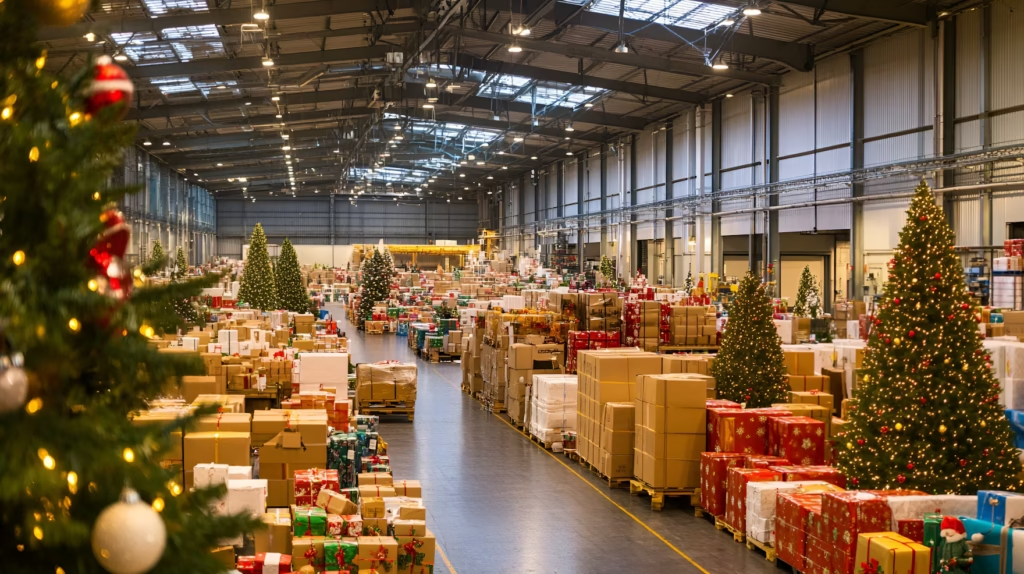
Wholesale Holiday Merchandise for Retailers: 7 Smart Ways to Source Seasonal Inventory
Holiday shopping creates important sales opportunities for retailers, discount stores, wholesalers, and online resellers. From Christmas decorations and toys to household accessories, gift items, and seasonal essentials, the demand for holiday-related products can create opportunities for businesses that plan their inventory carefully.
However, finding the right wholesale holiday merchandise requires more than purchasing products in bulk. Buyers need to evaluate product selection, inventory condition, quantities, supplier reliability, freight expenses, and the time available to sell seasonal stock.
Whether you operate a retail store in the United States, manage an online business in Canada, distribute merchandise across Europe, or purchase wholesale inventory for international resale, choosing the right seasonal products can make a significant difference to your purchasing strategy.
At Elite Pallet Liquidators, we understand the importance of finding suitable wholesale and liquidation inventory for resale businesses. This guide explains seven practical ways to source seasonal merchandise, evaluate bulk purchasing opportunities, and make more informed inventory decisions before placing an order.
Why Wholesale Holiday Merchandise Matters to Retailers
Seasonal shopping periods give retailers opportunities to introduce products that match customers’ immediate needs. During the holiday season, shoppers may look for decorations, gifts, toys, household accessories, kitchen products, clothing, and other items associated with celebrations and gift-giving.
For retailers, sourcing wholesale holiday merchandise can provide access to a wider product assortment without purchasing every item individually. Depending on the supplier and available inventory, businesses may explore seasonal overstock, liquidation merchandise, mixed-category pallets, or bulk wholesale lots.
There are several reasons businesses consider seasonal wholesale inventory:
- Product variety: Seasonal merchandise can help retailers expand their product selection.
- Bulk purchasing: Buyers can compare larger inventory quantities instead of sourcing individual products.
- Retail opportunities: Holiday-related products can support seasonal promotions and themed product displays.
- Multiple selling channels: Suitable merchandise may be sold through physical shops, online stores, discount outlets, and distribution networks.
- Inventory planning: Purchasing ahead of important shopping periods gives businesses time to prepare, subject to delivery schedules.
Nevertheless, seasonal merchandise has a limited selling window. Products purchased too late may arrive after the strongest period of customer demand. This makes supplier communication, delivery planning, and realistic purchasing decisions particularly important.
Retailers looking for different merchandise categories can explore the Elite Pallet Liquidators wholesale and liquidation inventory to review available product opportunities.
1. Identify the Right Wholesale Holiday Merchandise Categories
Before purchasing wholesale holiday merchandise, determine which product categories are relevant to your customers. A large seasonal inventory purchase is only useful when the products match your business model, target market, and available selling channels.
Depending on current supplier availability, retailers may consider the following seasonal merchandise categories.
Christmas Decorations and Holiday Accessories
Christmas decorations are among the recognizable seasonal product categories. Potential merchandise may include decorative accessories, artificial decorative items, lighting products, ornaments, table decorations, and other holiday-themed products.
Before purchasing, check electrical specifications, product labeling, packaging, and any safety requirements that apply to the destination market. Do not assume that every lighting or electrical product is suitable for every country.
Toys and Gift Merchandise
Toys, games, gift accessories, and entertainment products can form part of a retailer’s seasonal assortment. Buyers should examine age recommendations, product safety information, packaging, completeness, and applicable market regulations.
For online resellers, also consider product dimensions, shipping costs, competition, and whether the items can be accurately identified and listed.
Household and Kitchen Products
Household accessories, kitchen items, storage products, decorative accessories, and selected home goods may appeal to customers preparing their homes for seasonal gatherings or purchasing practical gifts.
These categories may also offer opportunities beyond the holiday period, depending on the products included and their year-round usefulness.
Apparel and Fashion Accessories
Seasonal clothing, accessories, and selected fashion products may be relevant to retailers serving customers looking for holiday outfits and gifts. However, buyers should examine sizes, styles, brand information, product condition, and the suitability of the assortment for their customer base.
Mixed Seasonal Merchandise
Some buyers prefer mixed-category inventory rather than concentrating on one product type. A mixed assortment may include different household goods, accessories, toys, decorations, and general merchandise.
When evaluating holiday merchandise pallets, ask for a product breakdown where available. If the inventory is unmanifested, request the best available description and understand that individual products and quantities may not be confirmed in advance.
The most suitable category depends on your customers, purchasing budget, sales channels, and ability to process and sell the inventory.
2. Understand the Condition of Wholesale Seasonal Merchandise
Product condition is one of the most important considerations when purchasing wholesale seasonal merchandise. Two lots containing similar products may have very different commercial implications if one contains new overstock and the other contains customer returns or mixed-condition goods.
Before ordering, ask the supplier to explain the condition classification of the particular inventory being offered.
Common inventory condition descriptions
- New overstock: Merchandise described as new inventory that exceeds a retailer’s immediate stock requirements. Confirm packaging and product completeness.
- Shelf pulls: Products removed from retail shelves. Packaging, labels, and presentation may vary.
- Customer returns: Previously purchased products returned by customers. Their condition and functionality may vary depending on inspection and processing.
- Open-box merchandise: Products with opened or altered packaging. Check whether accessories and components are included.
- Mixed-condition inventory: Lots containing more than one condition category. Request a breakdown if available.
Seasonal merchandise requires particular attention because damaged packaging, missing accessories, incomplete products, or non-functional items may be harder to sell during a limited holiday selling period.
Ask whether the supplier has inspection records, current photographs, videos, condition notes, or other supporting information. If products have not been individually tested, make sure that limitation is understood before purchasing.
Do not treat all liquidation inventory as brand new. Clear condition information helps you determine whether the merchandise fits your business and what additional processing may be required.
3. Check Inventory Quantities and Manifests Before Buying
When sourcing wholesale holiday merchandise, product quantities and inventory documentation can influence your purchasing decision. A supplier may advertise a pallet, multiple pallets, a mixed lot, or a larger bulk shipment. Buyers should understand exactly what those quantities represent.
Where available, request a manifest or inventory breakdown before committing to an order.
What a seasonal merchandise manifest may contain
- Product names and descriptions.
- Item quantities and product codes.
- Brands or models, where disclosed.
- Condition classifications, where available.
- Retail reference values, where supplied.
- Product categories and other identifying information.
A manifest can make it easier to evaluate an inventory lot, but it should not be treated as a guarantee of resale revenue. Retail reference values are not the same as current market prices, and the actual selling price depends on customer demand, competition, product condition, and other costs.
Some bulk Christmas merchandise and liquidation lots may be sold without individual item manifests. In that situation, ask the supplier whether photographs, sample information, category descriptions, or estimated quantities are available.
Before paying, confirm whether the stated quantity is exact or estimated and whether the documentation refers to the specific lot you intend to purchase.
4. Evaluate Your Wholesale Holiday Merchandise Supplier
Finding seasonal products is only one part of the purchasing process. You also need to understand the business supplying the inventory and the terms under which the transaction will take place.
When searching for wholesale holiday merchandise suppliers, avoid making a decision based exclusively on attractive product photographs or advertised discounts. Evaluate the supplier’s communication, documentation, business information, and ability to explain the offered inventory.
Questions to ask a wholesale supplier
- What seasonal merchandise is currently available?
- Where is the inventory located?
- What quantities are available for the particular lot?
- Is the inventory new overstock, shelf pulls, customer returns, or mixed condition?
- Is a manifest or inventory breakdown available?
- What is the purchase price and what does it include?
- What payment and order terms apply?
- Can current inventory photographs or videos be provided?
- What shipping arrangements are available for my destination?
- What procedures apply if there is a shortage, damage, or discrepancy?
A professional supplier should be able to explain the relevant product details and purchasing terms clearly. Buyers should also verify the business identity and retain written records of quotations, agreed specifications, payment arrangements, and order confirmations.
Be cautious of sellers who refuse to provide reasonable information, pressure you into immediate payment, or guarantee unusually high resale profits without evidence.
At Elite Pallet Liquidators, buyers can explore wholesale and liquidation inventory opportunities and submit enquiries with their preferred product categories, order quantities, and delivery destinations.
Visit Elite Pallet Liquidators to learn more about our business and the inventory categories available through our website.
5. Calculate the Actual Cost of Buying Seasonal Inventory
One of the biggest mistakes in bulk purchasing is evaluating a lot using only its advertised merchandise price. The actual cost of acquiring and reselling wholesale holiday merchandise may include several additional expenses.
Before placing an order, estimate the full cost of receiving, preparing, storing, and selling the products.
Costs to include in your purchasing calculation
- Merchandise purchase price.
- Freight and transportation.
- Loading, unloading, and handling charges.
- Customs duties, taxes, and brokerage where applicable.
- Warehouse storage and inventory handling.
- Sorting, inspection, testing, and repackaging.
- Marketplace and payment processing fees.
- Advertising and customer acquisition costs.
- Returns, damaged items, and other expected inventory losses.
Illustrative seasonal inventory cost calculation
Consider a hypothetical retailer purchasing a seasonal merchandise lot. The following figures are examples for financial planning only and are not an actual Elite Pallet Liquidators quotation.
| Expense | Illustrative cost |
|---|---|
| Merchandise purchase | $1,800 |
| Freight and transportation | $400 |
| Handling and processing | $150 |
| Other operating expenses | $150 |
| Total estimated investment | $2,500 |
If the shipment contains 250 units, the illustrative average cost is $10 per unit, assuming all 250 units are included in the calculation.
However, the effective cost per saleable unit will increase if some products are damaged, incomplete, or unsuitable for resale. You must also account for selling fees, discounts, and the time required to move the inventory.
Use realistic selling prices rather than relying on original retail values. Your purchasing decision should be based on the likely costs and selling conditions in your actual market.
For additional business planning guidance, the U.S. Small Business Administration provides a useful resource on market research and competitive analysis.
6. Plan Around Customer Demand and Seasonal Timing
Timing can make a substantial difference when purchasing seasonal inventory. Unlike everyday household products, many holiday-related products have a specific selling period. A shipment that arrives too late may leave a retailer with merchandise that is difficult to sell at the expected price.
When sourcing wholesale holiday products, consider the time needed to confirm the order, arrange freight, receive the merchandise, inspect the products, prepare listings, and reach potential customers.
Build your seasonal inventory plan
- Identify your customers: Understand the types of holiday products your existing customers purchase.
- Research product demand: Compare competing products, current prices, and customer interest.
- Set a purchasing deadline: Allow enough time for shipping, receiving, and preparing inventory.
- Choose suitable quantities: Avoid purchasing more seasonal stock than your business can realistically process and sell.
- Prepare sales channels: Organize your store displays, product listings, promotions, and inventory management.
- Plan for unsold products: Consider how you will manage remaining inventory after the holiday period.
Businesses in the United States, Canada, and Europe may experience different seasonal demand patterns, shopping preferences, and delivery conditions. Research your destination market rather than assuming that the same assortment will perform equally well everywhere.
It is also worth distinguishing between products with a short seasonal selling window and products that can continue selling throughout the year. Household goods, storage products, and practical accessories may have a longer selling opportunity than some highly specific holiday decorations.
For retailers looking to build a more flexible product assortment, seasonal purchasing can be combined with suitable general merchandise and other year-round inventory.
7. Confirm Freight and Delivery Before Ordering Wholesale Holiday Merchandise
Freight planning is essential when purchasing pallets, multiple lots, or truckload quantities of seasonal inventory. Your total purchasing cost and delivery schedule can change significantly depending on the shipment size, dispatch location, destination, and transport method.
Before confirming an order for wholesale holiday merchandise, request clear information about the delivery arrangement.
Important shipping questions
- Where is the merchandise currently located?
- What are the estimated shipment dimensions and weight?
- How many pallets or loading units are involved?
- Is collection available, or must freight be arranged?
- Does the quoted price include transportation and handling?
- Can the shipment be delivered to your business address or warehouse?
- Are there special unloading requirements?
- Who is responsible for customs documentation and import charges?
- What procedures apply if goods are damaged or missing during delivery?
For international buyers, import requirements deserve particular attention. Some products may be subject to specific safety, labeling, electrical, or customs requirements in the destination country.
Buyers importing goods into the United States can consult U.S. Customs and Border Protection’s basic import and export guidance. Buyers in Canada, Europe, and other destinations should check the applicable requirements of their own customs and regulatory authorities.
Never assume that international shipping, customs clearance, or import duties are automatically included in an advertised merchandise price. Request written confirmation of the arrangements before payment.
How to Choose the Right Wholesale Seasonal Inventory for Your Business
There is no single seasonal merchandise lot that is suitable for every retailer. The right purchase depends on your customers, available capital, storage capacity, selling experience, and the amount of time remaining before the relevant shopping period.
Use the following checklist when comparing wholesale seasonal inventory opportunities.
| Buying consideration | What to establish |
|---|---|
| Product category | Does the assortment match your customers and sales channels? |
| Condition | Are the products new, overstock, shelf pulls, returns, or mixed condition? |
| Quantity | Are item counts confirmed or estimated? |
| Manifest | Is an inventory breakdown available? |
| Supplier | Can you verify the business and obtain clear written terms? |
| Total cost | Have you included freight, processing, taxes, and selling expenses? |
| Timing | Can the inventory arrive early enough for your sales plan? |
| Delivery | Are freight, customs, and receiving arrangements understood? |
Taking the time to answer these questions can help you compare offers more effectively and avoid purchasing inventory simply because the advertised quantity or retail value appears attractive.
Looking for Wholesale Holiday Merchandise? Explore Your Inventory Options
If your business is preparing for the holiday shopping season, now is a good time to review your inventory requirements and identify suitable wholesale purchasing opportunities.
Elite Pallet Liquidators works with buyers interested in wholesale and liquidation merchandise. We encourage retailers, resellers, wholesalers, and bulk buyers to explore available inventory categories and enquire about products that match their business requirements.
Whether you are sourcing seasonal merchandise, household products, apparel, electronics, general merchandise, or larger bulk inventory quantities, the first step is to communicate exactly what you need.
What to include in your enquiry
- Product category: Tell us whether you are looking for Christmas merchandise, toys, household products, decorations, gifts, or mixed seasonal inventory.
- Quantity: Indicate whether you need individual units, pallets, multiple pallets, or truckload quantities.
- Condition: State your preference for new overstock, shelf pulls, returns, or mixed-condition inventory.
- Destination: Provide your delivery city and country so applicable shipping arrangements can be reviewed.
- Budget: Share your approximate purchasing budget if you are comfortable doing so.
- Business requirements: Mention any specific product brands, categories, or documentation you require.
Providing these details makes it easier to understand your requirements and discuss relevant inventory options, subject to current availability and purchasing terms.
Ready to explore wholesale inventory?
Browse wholesale and liquidation inventory at Elite Pallet Liquidators and review the available categories.
If you need a specific product category or larger quantity, contact us through the options on our website with your requirements. We can then discuss whether a suitable inventory option is available and what pricing and shipping arrangements apply.
Do not wait until your seasonal selling window has nearly ended to investigate inventory. Plan ahead, ask the right questions, and make purchasing decisions based on confirmed information.
Frequently Asked Questions About Wholesale Holiday Merchandise
Where can I buy wholesale holiday merchandise?
You can explore wholesale distributors, overstock suppliers, and liquidation inventory sellers. Compare product categories, condition, quantities, supplier information, pricing, and delivery terms before placing an order. You can also visit the Elite Pallet Liquidators shop to review available inventory categories and enquire about current opportunities.
What types of products are included in wholesale holiday merchandise?
Depending on the supplier and available stock, seasonal merchandise may include Christmas decorations, gift accessories, toys, household goods, kitchen products, apparel, lighting products, and other holiday-related items. Always request details about the specific lot before purchasing.
Can I purchase holiday merchandise in bulk?
Yes. Some suppliers offer seasonal products in bulk quantities, mixed lots, pallets, or larger shipments. Minimum quantities, available stock, and purchasing terms vary, so confirm the details with the supplier.
Are holiday merchandise pallets manifested?
Some holiday merchandise pallets include a manifest or inventory breakdown, while others are sold as unmanifested or mixed inventory. Ask whether item descriptions, quantities, brands, and condition information are available for the specific lot.
Can I buy wholesale holiday merchandise for resale?
Wholesale seasonal inventory can be purchased for resale through physical stores, online shops, discount outlets, and other retail channels. Buyers should evaluate product demand, condition, market competition, selling costs, and any applicable product restrictions before purchasing.
When should retailers purchase seasonal wholesale inventory?
Retailers should allow sufficient time for supplier confirmation, payment, shipping, receiving, product inspection, and preparation for sale. The appropriate purchasing deadline depends on the destination, transport method, supplier location, and seasonal demand period.
Can buyers from Canada and Europe enquire about wholesale holiday merchandise?
International buyers can submit enquiries with their desired product categories, quantities, and delivery destinations. However, inventory availability, international freight, import duties, taxes, and product compliance requirements must be confirmed for each destination and order.
How do I calculate the cost of buying wholesale holiday products?
Start with the merchandise purchase price, then include freight, handling, storage, import charges, inspection, processing, marketplace fees, and other selling expenses. Compare the total cost with realistic expected selling prices to evaluate whether the purchase fits your business plan.
Can I request a quotation for seasonal liquidation merchandise?
Yes. Contact Elite Pallet Liquidators through the website and provide your preferred product category, quantity, condition requirements, destination, and approximate budget. Current availability, pricing, and delivery arrangements can then be discussed.