
Where to Buy Liquidation Pallets Online: Understanding the Liquidation Pallet Market
If you are searching for where to buy liquidation pallets online, you are entering a market with opportunities for both new and experienced resellers. Liquidation pallets can provide access to bulk merchandise at prices that may be lower than traditional wholesale sourcing, but finding a good opportunity requires more than simply searching for the cheapest pallet.
Before you place your first order, it is important to understand what liquidation pallets are, where they come from, what types of merchandise they contain, and what you should consider before buying. A strong understanding of the liquidation market can help you make better purchasing decisions and avoid common mistakes that can turn an apparently attractive deal into expensive inventory.
In this complete guide, we will explain where to buy liquidation pallets online, how to compare liquidation suppliers, how to evaluate pallet conditions, how to understand manifests, how shipping affects your total cost, and how to reduce the risk of buying unsuitable or unsafe inventory.
If you are ready to explore wholesale inventory while learning more about liquidation sourcing, you can start by visiting the Elite Pallet Liquidators shop and reviewing the currently available products.
What Are Liquidation Pallets?
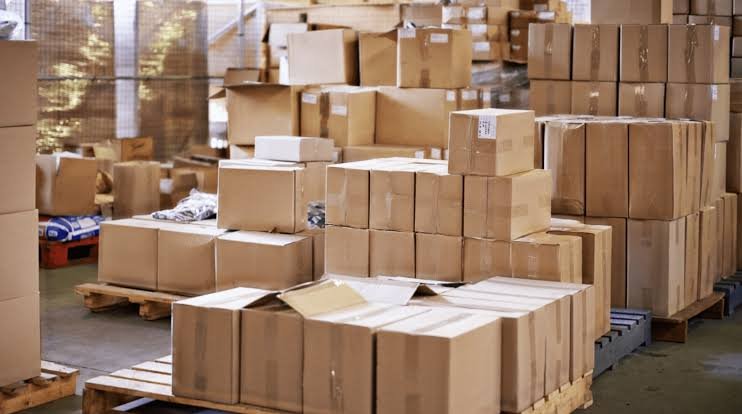
A liquidation pallet is a bulk collection of merchandise that is being sold together rather than individually. The inventory can originate from retailers, manufacturers, distributors, warehouses, or other businesses that need to move excess or unwanted stock.
Depending on the source, liquidation merchandise can include customer returns, excess inventory, overstock, shelf pulls, discontinued products, seasonal merchandise, closeout inventory, open-box products, and other goods that need to be cleared from the normal retail supply chain.
This is what makes liquidation pallets different from conventional wholesale purchasing. Traditional wholesale often involves purchasing new products directly from a manufacturer or authorized distributor with predictable specifications and quantities. Liquidation inventory can be much more variable.
One pallet may contain products that are new and ready for resale, while another may contain customer returns that require inspection, testing, cleaning, repackaging, repair, or parts recovery.
That variation creates both the opportunity and the risk associated with liquidation pallets.
Why Do Businesses Sell Liquidation Pallets?
Retailers and other businesses regularly need to move inventory that is no longer suitable for their normal sales channels.
For example, a retailer may have excess inventory after a seasonal promotion ends. A warehouse may have products that have been sitting in storage for too long. A retailer may also receive customer returns that cannot simply be placed back on the regular sales floor.
Instead of keeping this inventory indefinitely, businesses can move it through liquidation channels.
This creates an opportunity for secondary-market buyers.
Liquidation companies and marketplaces can acquire or facilitate the sale of these goods in larger lots, while resellers purchase the inventory and attempt to generate revenue by selling individual products through their own stores, websites, marketplaces, discount stores, flea markets, social-commerce channels, or other sales channels.
The basic model is therefore straightforward:
- Retailers and businesses need to clear inventory.
- Liquidation channels move that inventory in bulk.
- Resellers purchase the bulk inventory.
- Resellers inspect, process, price, and market the products.
- Customers purchase the individual products through the reseller’s sales channels.
The important part is that the reseller takes on much of the responsibility for turning bulk inventory into sellable merchandise.
Why Are Liquidation Pallets Popular With Resellers?
One major reason people search for where to buy liquidation pallets online is the possibility of sourcing large quantities of merchandise without purchasing every item separately.
For a reseller, buying inventory individually can make sourcing time-consuming and expensive. Liquidation purchasing allows the buyer to acquire many products at once and then separate the inventory into individual items or smaller bundles for resale.
Liquidation pallets can also allow businesses to experiment with different product categories.
For example, a reseller may discover that kitchen appliances sell well to their customers. Another reseller may find that clothing, shoes, electronics, beauty products, toys, or general merchandise generate better results.
The key is to treat the first few purchases as opportunities to learn your market rather than assuming every pallet will automatically produce a profit.
What Types of Merchandise Are Found in Liquidation Pallets?
There is no single type of liquidation pallet. The inventory available online can cover a wide range of consumer products.
Common categories include:
- Clothing pallets – apparel, seasonal clothing, fashion items, and accessories.
- Shoe pallets – footwear and mixed shoe inventory.
- Electronics pallets – consumer electronics, accessories, devices, and related products.
- General merchandise pallets – mixed products from different categories.
- Home goods pallets – household products, décor, organization products, and related merchandise.
- Kitchen appliance pallets – air fryers, blenders, coffee makers, toasters, kettles, and other appliances.
- Beauty and cosmetics pallets – beauty products, personal-care items, and cosmetics.
- Toy pallets – toys, games, children’s products, and entertainment merchandise.
- Tools and hardware pallets – tools, equipment, accessories, and hardware.
- Seasonal pallets – products associated with holidays, seasons, and temporary retail campaigns.
At Elite Pallet Liquidators, buyers can explore general merchandise and overstock inventory as part of their broader liquidation sourcing strategy.
The most suitable category depends on your customers, available storage, sales channel, technical knowledge, and ability to process the merchandise.
Where Does Liquidation Inventory Come From?
Understanding the source of the merchandise is an important part of learning where to buy liquidation pallets online.
Liquidation inventory can come from several parts of the retail and distribution system.
Customer Returns
Customer returns are a major source of secondary-market inventory. A product may have been returned because the customer changed their mind, ordered the wrong item, discovered a defect, received a damaged product, or simply decided that the product was not suitable.
That means a return pallet should not automatically be considered defective merchandise. However, buyers should understand that returned products can have different conditions and may require inspection.
Retail Overstock
Overstock occurs when a business has more inventory than it currently needs.
This can happen because demand was lower than expected, a product was over-purchased, a new version replaced an older version, or a retailer needs to make room for new inventory.
Overstock can be attractive to resellers because some products may have experienced little or no customer use. Nevertheless, the exact condition should always be confirmed from the individual listing or supplier.
Shelf Pulls
Shelf pulls are products removed from retail shelves or store inventory. These products may have packaging or handling marks depending on the source and condition.
Closeouts and Discontinued Inventory
Businesses may also liquidate products when a product line is being discontinued or when a retailer is changing its assortment.
For resellers, these closeout opportunities can provide access to products that are no longer being actively stocked by the original retailer.
Liquidation Pallets Are Not the Same as Traditional Wholesale
One of the biggest mistakes beginners make is treating liquidation inventory exactly like traditional wholesale inventory.
Traditional wholesale generally gives buyers more predictability. You may know the exact model, quantity, condition, packaging, and specifications before purchasing.
Liquidation inventory can involve significantly more uncertainty.
For example, a pallet containing customer returns may include products with different conditions. Some items may be ready to sell immediately, while others may require testing or additional work.
This means your business model needs to account for inventory variability.
Instead of asking only, “How much can I sell this pallet for?” experienced buyers ask questions such as:
- How many units are likely to be sellable?
- What condition are the products in?
- How much will shipping cost?
- How much work will the inventory require?
- What is the realistic resale price?
- How quickly can I sell the merchandise?
- What happens if some products are damaged or incomplete?
These questions become particularly important when comparing different liquidation pallet suppliers.
Why the Cheapest Liquidation Pallet Is Not Always the Best Deal
When searching for where to buy liquidation pallets online, it can be tempting to sort listings by price and choose the cheapest option.
That approach can be misleading.
A $400 pallet is not necessarily a better deal than a $700 pallet.
The $400 pallet could have significantly higher shipping costs, more damaged merchandise, lower-value products, or a smaller percentage of inventory that can actually be resold.
Meanwhile, the $700 pallet could potentially contain merchandise that requires less processing and has stronger demand.
This is why liquidation buyers should evaluate landed cost and expected resale value rather than purchase price alone.
The Federal Trade Commission recommends that online shoppers consider the total cost of a purchase, including shipping, handling, delivery, taxes, and other fees. That principle is especially important when buying bulky liquidation inventory because freight can represent a significant portion of the actual acquisition cost. FTC online shopping guidance
What Does “Landed Cost” Mean?
Landed cost is the amount you effectively spend to get the inventory into your possession and ready for your business.
For a liquidation pallet, the calculation may involve more than the advertised pallet price.
Your actual cost could include:
- Pallet purchase price
- Buyer or marketplace fees
- Freight
- Delivery charges
- Taxes or duties where applicable
- Payment processing fees
- Inspection costs
- Cleaning costs
- Repair costs
- Repackaging costs
- Storage costs
Understanding these expenses early will make it much easier to determine whether a pallet fits your business.
Condition Matters When Buying Liquidation Pallets
Another critical concept for anyone learning where to buy liquidation pallets online is merchandise condition.
Liquidation inventory may be described using terms such as new, overstock, shelf pull, open box, customer return, used, salvage, or mixed condition.
However, condition terminology can vary between suppliers. Do not assume that two companies use the same grading system in exactly the same way.
Before buying, read the supplier’s specific condition description and determine what it means for the inventory you are purchasing.
For example, if you purchase customer-return electronics, you should consider the possibility that some products may require testing. If you purchase clothing, you may need to inspect for stains, missing tags, damage, or sizing issues.
The more variable the condition, the more important your inspection and processing system becomes.
Why Product Safety Matters in Liquidation Reselling
Liquidation resellers also have a responsibility to consider product safety.
This is particularly important when buying used, returned, or mixed-condition consumer products.
The U.S. Consumer Product Safety Commission explains that its laws and regulations apply to people who sell or distribute consumer products, including resellers. It recommends that resellers examine products before resale and check for recalls and other safety issues. CPSC Resale/Thrift Stores Information Center
The CPSC also states that selling recalled products is unlawful and recommends checking its recall database before listing products for sale. Check CPSC product recalls
This is an important part of responsible liquidation sourcing. A profitable pallet is not useful if the merchandise cannot legally or safely be resold.
Who Buys Liquidation Pallets Online?
The liquidation market is used by many different types of businesses.
Online Resellers
Online resellers purchase pallets and sell individual products through marketplaces, ecommerce stores, social-commerce platforms, or other online channels.
Discount Stores
Discount retailers can use liquidation inventory to maintain a constantly changing selection of products at competitive prices.
Bin Stores
Bin stores often need high-volume mixed merchandise that can be priced and sold quickly.
Flea-Market Vendors
Liquidation pallets can provide flea-market sellers with a large variety of products to display and sell individually.
Small Retailers
Independent retailers can use liquidation sourcing to supplement their traditional wholesale inventory or test new product categories.
Exporters and International Resellers
Businesses that operate in international markets may also source liquidation inventory for export and resale, provided they understand applicable customs, import, product-safety, and marketplace requirements.
What You Should Know Before Searching for the Best Place to Buy Liquidation Pallets
The phrase “best place to buy liquidation pallets” does not have one universal answer.
The best supplier for an experienced electronics reseller may be completely different from the best supplier for a beginner selling clothing.
Before comparing suppliers, identify your own requirements.
- Your budget: How much can you invest without creating cash-flow problems?
- Your category: What type of products do you understand?
- Your sales channel: Where will you sell the products?
- Your storage: Where will you keep the pallet?
- Your processing ability: Can you test, clean, repair, photograph, and list the products?
- Your shipping requirements: Can your location receive pallet freight?
- Your target customer: What products are they already buying?
Once you answer these questions, you can compare suppliers based on factors that actually matter to your business rather than simply choosing the lowest advertised price.
Start With the Right Foundation
Learning where to buy liquidation pallets online should begin with education, not an impulse purchase.
Understand the merchandise category, condition, quantity, shipping requirements, supplier policies, and expected resale market before you commit your money.
If you are ready to start researching available inventory, visit the Elite Pallet Liquidators Shop to browse current wholesale and liquidation products.
You can also learn more about the business through the About Elite Pallet Liquidators page and review the shipping policy before purchasing.
Where Can You Buy Liquidation Pallets Online?
Now that you understand what liquidation pallets are and how the liquidation market works, the next question is the one most buyers actually want answered: where to buy liquidation pallets online.
There are several different ways to source liquidation inventory online. You can purchase directly from a liquidation company, bid through an online liquidation marketplace, source retailer-direct inventory through an official liquidation marketplace, purchase fixed-price wholesale lots, or work with a liquidation warehouse that sells inventory online.
Each sourcing method has advantages and disadvantages. The best option for you will depend on your budget, experience level, preferred product category, location, available storage, shipping requirements, and ability to process inventory.
That means there is no single website that is automatically the best place to buy liquidation pallets for every reseller. Instead, you should understand the different sourcing channels and choose the one that matches your business.
1. Direct Liquidation Companies
One of the simplest ways to buy liquidation pallets online is through a direct liquidation company.
Direct liquidators purchase, receive, manage, or otherwise source bulk inventory and offer it to resellers, retailers, wholesalers, and other buyers. Depending on the company, inventory may include overstock, customer returns, shelf pulls, closeouts, excess inventory, and other merchandise.
A major advantage of buying from a direct liquidator is simplicity. Instead of competing against other buyers in an auction, you may be able to see the price of the pallet and decide whether the inventory fits your business.
Fixed-price purchasing can be especially useful for beginners who are still learning how to calculate margins. You know the purchase price before completing the transaction, which makes it easier to build a budget.
However, fixed pricing does not automatically mean that a pallet is profitable. You still need to investigate the condition, quantity, shipping cost, expected resale value, and supplier policies.
For buyers who want to explore available wholesale inventory, the Elite Pallet Liquidators Shop provides a convenient starting point for browsing current products and liquidation opportunities.
What to Look for in a Direct Liquidator
Before purchasing from a direct liquidation company, look for:
- Clear product descriptions
- Visible pricing
- Product quantities
- Condition information
- Shipping information
- Payment information
- Refund or return policies
- Business contact information
- Consistent product information
You should also research the company independently instead of relying entirely on testimonials published on its own website.
For additional information about the business behind the inventory, buyers can review the About Elite Pallet Liquidators page before making a purchasing decision.
2. Online Liquidation Marketplaces
Another major answer to the question of where to buy liquidation pallets online is online liquidation marketplaces.
These platforms bring together liquidation inventory and business buyers through an online marketplace. Depending on the platform, buyers may find pallets, truckloads, smaller lots, individual products, auctions, or fixed-price inventory.
One advantage of a marketplace is selection. Instead of looking at inventory from only one supplier, you may be able to compare merchandise from multiple retailers, brands, sellers, warehouses, and locations.
B-Stock, for example, currently operates liquidation marketplaces where buyers can source returned, excess, and trade-in inventory across multiple categories, conditions, and lot sizes. Its marketplace includes retailer-specific storefronts as well as broader sourcing options.
This type of marketplace can be useful for experienced buyers who understand how to evaluate manifests, auction prices, freight, condition, and expected resale value.
Advantages of Liquidation Marketplaces
- Large inventory selection
- Multiple product categories
- Different lot sizes
- Potential access to retailer-direct inventory
- Ability to compare listings
- Auction and fixed-price opportunities on some platforms
- Access to regional inventory locations
Potential Disadvantages
- Auction competition can increase the final purchase price
- Buyer fees may apply
- Freight can significantly increase landed cost
- Some lots may be unmanifested
- Condition can vary substantially
- Some marketplaces have buyer eligibility requirements
For that reason, a liquidation marketplace should be viewed as a sourcing tool rather than a guarantee of profitable inventory.
3. Retailer-Direct Liquidation Marketplaces
For buyers specifically looking for retailer liquidation pallets, retailer-direct marketplaces can be particularly interesting.
Instead of purchasing inventory from a general wholesaler, these marketplaces may allow qualified buyers to purchase liquidation inventory through a marketplace operated for a specific retailer.
This is an important distinction when researching where to buy liquidation pallets online.
For example, B-Stock operates official liquidation storefronts for major retailers and brands. Its current platform describes opportunities to purchase returned, excess, and trade-in inventory from major retailers and manufacturers.
However, retailer-direct liquidation does not necessarily mean that every buyer can immediately purchase inventory. Individual marketplaces can have different registration, eligibility, shipping, and documentation requirements.
4. Amazon Liquidation Pallets
Amazon liquidation pallets are one of the most searched types of liquidation inventory because Amazon has an enormous volume of merchandise moving through its retail and fulfillment ecosystem.
However, buyers should be careful when searching online for “Amazon pallets.” The internet contains many websites and advertisements using Amazon’s name, and not every seller advertising Amazon-related liquidation inventory is an official Amazon liquidation channel.
Amazon has an official B-Stock liquidation storefront. According to the current Amazon Liquidation Auctions page, it is the official B2B liquidation storefront for Amazon and provides qualified U.S.-based business buyers access to liquidation inventory.
The official storefront also makes clear that its purchasing process has specific terms. For example, orders can experience shortages during fulfillment, and the storefront states that orders may take up to 28 days after payment to ship.
This is an important lesson for anyone researching where to buy liquidation pallets online: always check the actual terms of the marketplace instead of assuming that a famous retailer’s name automatically means a particular seller is authorized.
Are Amazon Liquidation Pallets Worth Buying?
They can be worth considering for qualified buyers who understand the risks and costs involved.
However, you should evaluate each individual lot instead of assuming that every Amazon liquidation pallet is profitable.
Before bidding or purchasing, consider:
- Product category
- Number of units
- Condition
- Manifest information
- Estimated retail value
- Shipping cost
- Buyer fees
- Expected resale prices
- Potential damaged or incomplete products
- Your ability to process the inventory
Amazon-related liquidation can also involve categories requiring more technical knowledge, such as electronics, which makes inspection and testing particularly important.
5. Target Liquidation Pallets
Target liquidation inventory is another option for qualified resellers looking for retail liquidation merchandise.
Target currently operates an official liquidation marketplace through B-Stock. The marketplace describes itself as a platform where qualified buyers can bid on excess inventory from Target.
However, Target’s current requirements are important to understand before making plans around this sourcing channel.
The official Target Liquidations marketplace states that only U.S. buyers are currently allowed to register and that U.S. buyers must have a valid state-specific resale certificate. It also explains that merchandise can ship from multiple locations across the United States.
Target liquidation auctions can therefore be an option for eligible U.S. businesses, but they may not be suitable for every international buyer.
6. Walmart Liquidation Pallets
Walmart-related liquidation inventory is another category that attracts resellers searching for wholesale liquidation pallets.
Retailer liquidation marketplaces can provide opportunities to purchase excess and returned merchandise in bulk, but buyers should always verify the exact marketplace, seller, buyer requirements, condition information, and shipping terms.
Do not assume that a website using a retailer’s name is automatically affiliated with that retailer.
This is particularly important because popular retailer names are frequently used in advertisements for liquidation inventory.
When researching a retailer-specific pallet, navigate from the retailer’s official information or an established liquidation marketplace rather than trusting a random advertisement promising extremely cheap pallets.
7. Liquidation Auction Websites
Another popular answer to where to buy liquidation pallets online is liquidation auction websites.
Instead of paying a fixed price, buyers place bids on available lots. When the auction closes, the highest eligible bidder wins according to the platform’s rules.
Liquidation auctions can be attractive because they allow buyers to determine how much they are willing to pay.
However, auctions create an important risk: overbidding.
A pallet that was profitable at $500 may no longer be profitable if bidding pushes the price to $900.
Therefore, experienced buyers establish a maximum bid before entering an auction.
How to Set a Maximum Liquidation Auction Bid
Start with your realistic expected resale revenue.
Then subtract:
- Expected marketplace fees
- Shipping and freight
- Taxes or duties where applicable
- Expected processing costs
- Repair or testing costs
- Storage costs
- Desired profit margin
The amount remaining represents the maximum amount you should consider paying for the inventory.
Do not increase your maximum simply because another bidder is willing to pay more.
The goal of liquidation buying is not to win auctions. The goal is to acquire inventory at a price that makes sense for your business.
8. Liquidation.com and Similar Online Marketplaces
Established liquidation marketplaces can also provide buyers with access to a broad range of inventory categories and lot sizes.
Liquidation.com is one example of a marketplace that provides liquidation auction inventory. Its educational resources explain that buyers should evaluate listings using information such as photos, manifests, seller information, shipping details, and auction terms.
This highlights an important principle: the marketplace name matters, but the individual listing matters even more.
Two pallets on the same platform can have completely different risk profiles because they may differ in condition, seller, category, location, manifest quality, shipping cost, and expected resale value.
9. Fixed-Price Wholesale Liquidation Suppliers
If you do not want to participate in auctions, fixed-price liquidation suppliers may be a better option.
With fixed-price inventory, you generally know the purchase price before placing the order.
This can make financial planning easier, particularly for beginners.
For example, if your business has a maximum inventory budget of $1,000, a fixed-price pallet allows you to evaluate the purchase against that exact budget before committing.
However, you should still calculate the complete landed cost.
A $600 pallet with $350 freight is not really a $600 inventory purchase. Your acquisition cost is already $950 before considering other expenses.
For buyers using Elite Pallet Liquidators, the shipping policy should be reviewed before placing an order so that shipping expectations are clear.
10. Local Liquidation Warehouses With Online Ordering
Not every liquidation purchase has to be shipped across the country.
Some liquidation companies operate physical warehouses where buyers can source inventory locally or place orders online for pickup or delivery.
Local sourcing can have an important advantage: reduced freight costs.
If you are close enough to a warehouse, picking up inventory may reduce transportation expenses and allow you to inspect merchandise before purchasing, depending on the supplier’s policies.
However, local liquidation warehouses vary considerably. Some may specialize in furniture, while others focus on electronics, general merchandise, clothing, appliances, or customer returns.
Before traveling to a warehouse, confirm:
- Whether appointments are required
- Whether public buyers are accepted
- Whether pallets can be inspected
- Whether inventory is manifested
- Whether pickup is available
- What payment methods are accepted
- Whether returns are permitted
11. Wholesale Liquidation Suppliers for Beginners
If you are completely new to liquidation, you do not necessarily need the biggest marketplace available.
In fact, beginners can benefit from choosing a supplier with straightforward listings and manageable order sizes.
Your first objective should be learning the process.
You need to understand how to:
- Evaluate a listing
- Calculate landed cost
- Receive a pallet
- Inspect products
- Separate inventory by condition
- Determine realistic resale prices
- Create product listings
- Handle customer questions
- Process returns
- Measure actual profit
Once you understand these processes, you can gradually increase your purchasing volume.
12. Which Type of Liquidation Supplier Is Best for You?
The best source depends on your business.
| Buying Source | Best For | Main Advantage | Main Consideration |
|---|---|---|---|
| Direct Liquidator | Beginners and established resellers | Simple purchasing process | Inventory quality varies by supplier |
| Liquidation Marketplace | Experienced buyers | Large selection | Multiple sellers and conditions |
| Retailer-Direct Marketplace | Qualified U.S. business buyers | Access to retailer liquidation programs | Eligibility requirements may apply |
| Auction Platform | Experienced resellers | Potential buying opportunities | Risk of overbidding |
| Fixed-Price Supplier | Budget-conscious buyers | Known purchase price | Must still evaluate inventory quality |
| Local Warehouse | Local resellers | Potentially lower freight costs | Selection depends on location |
How to Choose Between Liquidation Suppliers
Instead of asking only, “What is the cheapest liquidation pallet?” ask a more useful question:
“Which supplier gives me the best combination of inventory quality, transparency, shipping cost, purchasing terms, and resale potential?”
Start by comparing at least three suppliers or marketplaces.
For each one, record:
- Pallet price
- Number of units
- Condition
- Manifest availability
- Estimated retail value
- Shipping cost
- Buyer fees
- Payment requirements
- Return policy
- Delivery timeframe
- Supplier reputation
This simple comparison can prevent you from choosing a supplier based solely on an attractive headline price.
Do You Need a Resale Certificate to Buy Liquidation Pallets?
It depends on the supplier or marketplace.
Some liquidation platforms allow a wider range of buyers, while retailer-specific marketplaces may require business documentation.
For example, the current Target Liquidations marketplace states that U.S. buyers need a valid state-specific resale certificate for approval.
Amazon’s official B-Stock liquidation storefront similarly operates as a B2B marketplace for qualified U.S.-based business buyers.
Therefore, if you are located outside the United States, do not assume that every U.S. liquidation marketplace will accept international buyers.
Always check the current eligibility requirements before building your sourcing strategy around a particular platform.
Can You Buy Liquidation Pallets Online From Outside the United States?
International buyers can potentially source U.S. liquidation inventory, but the process can be more complicated than domestic purchasing.
You may need to consider:
- International freight
- Export documentation
- Import regulations
- Customs duties
- Taxes
- Product compliance
- Currency conversion
- Local delivery
- Warranty limitations
Some retailer-specific marketplaces may also restrict registration to U.S.-based buyers. Target’s current official marketplace, for example, states that it is currently open only to U.S. buyers.
International resellers should therefore confirm eligibility and shipping availability before bidding.
What About Social Media Liquidation Sellers?
Social media can be useful for discovering liquidation businesses, but it should not automatically be treated as proof that a seller is legitimate.
A seller may advertise liquidation pallets on Facebook, Instagram, TikTok, or another social platform and direct customers to an external website or payment method.
Before sending money, independently verify:
- The company’s legal or business identity where available
- Website information
- Physical or mailing information
- Contact details
- Product information
- Shipping terms
- Return policy
- Independent reviews
- Payment protections
The Federal Trade Commission recommends researching sellers before buying online and looking for complaints or reviews from multiple sources rather than relying only on testimonials presented by the seller. Read the FTC’s online shopping guidance.
Never Choose a Liquidation Supplier Based Only on Retail Value
One of the most common marketing tactics in the liquidation industry is highlighting the estimated retail value of a pallet.
For example, a listing might advertise:
“$10,000 Retail Value – Only $1,000!”
That headline may attract attention, but it does not tell you how much money you will actually make.
You still need to determine:
- How many units are included
- How many units are realistically sellable
- What condition the products are in
- What customers are currently paying
- How much shipping costs
- How much marketplace fees will cost
- How much labor is required
- How long the inventory may take to sell
Retail value should therefore be treated as one reference point rather than a guaranteed sales figure.
The Best Place to Buy Liquidation Pallets Is the One That Fits Your Numbers
There is no universal winner when it comes to where to buy liquidation pallets online.
A direct liquidator may be ideal for a beginner who wants fixed pricing. An auction marketplace may be better for an experienced reseller who knows how to bid. A retailer-direct marketplace may be attractive to an eligible U.S. business looking for specific retailer inventory. A local warehouse may be better for someone who wants to reduce freight costs.
The right decision comes down to your numbers.
Compare the purchase price, shipping, fees, condition, expected sellable inventory, realistic resale prices, and your processing costs before buying.
And if you are looking for current inventory to evaluate, you can visit the Elite Pallet Liquidators Shop and compare available wholesale products based on your business needs.
What We Will Cover Next
Finding a supplier is only half the process.
How to Evaluate Liquidation Pallets Before Buying
Knowing where to buy liquidation pallets online is only the first step. The next and arguably more important step is learning how to evaluate a liquidation pallet before you spend your money. Finding a website that sells liquidation pallets online is easy. Finding a liquidation pallet that actually makes sense for your resale business requires research, calculations, and careful attention to the inventory details.
Whether you are purchasing wholesale liquidation pallets, customer return pallets, overstock pallets, electronics pallets, clothing pallets, general merchandise pallets, or mixed liquidation inventory, you should evaluate the pallet before placing your order.
A professional liquidation buyer does not look at the pallet price alone. Instead, the buyer evaluates the product category, quantity, condition, manifest, expected resale value, shipping cost, fees, processing requirements, and potential profit. This approach can help you distinguish a genuinely good liquidation opportunity from a pallet that only looks cheap because important costs or risks have been left out.
Why Evaluating a Liquidation Pallet Matters
When people search for where to buy liquidation pallets online, they often focus on finding the lowest price. That is understandable, but purchase price by itself does not tell you whether a pallet is profitable.
Imagine that you find two liquidation pallets online.
The first pallet costs $400 and contains 150 units. The second pallet costs $700 and contains 100 units.
At first glance, the first pallet appears to be the better deal because it costs less and contains more products. However, what if 40% of the first pallet requires repair or cannot be resold, while most of the second pallet is ready for resale?
The $700 pallet could ultimately produce a better return.
This is why how to evaluate liquidation pallets is just as important as knowing where to find them.
1. Start With the Product Category
The first thing to evaluate when buying liquidation pallets online is the product category.
Do not purchase a pallet simply because the advertised retail value looks attractive. Ask whether you actually understand the products inside the pallet and whether you already have customers who are likely to buy them.
For example, electronics liquidation pallets can contain valuable products, but electronics may require testing, charging, software checks, accessories, and technical knowledge before resale.
Clothing liquidation pallets may require sorting by size, season, brand, style, and condition.
Kitchen appliance pallets may require electrical testing and inspection.
Beauty or cosmetic liquidation pallets may require careful attention to expiration dates, packaging, labeling, and applicable regulations.
General merchandise pallets can provide variety but may require more sorting and categorization.
The best liquidation pallet for your business is therefore not necessarily the pallet with the highest advertised retail value. It is the pallet that matches your ability to process and sell the inventory.
You can explore different categories of available inventory through the Elite Pallet Liquidators Shop when comparing potential sourcing opportunities.
2. Check the Number of Units in the Liquidation Pallet
Quantity is another important factor when deciding whether to buy liquidation pallets online.
A pallet may contain 50 units, 100 units, 200 units, or significantly more. The number of products affects your cost per unit, storage requirements, processing workload, and potential revenue.
However, a larger number of units does not automatically mean a better liquidation deal.
Suppose one pallet contains 200 low-value products while another contains 60 higher-value products. The 200-unit pallet may require considerably more time and storage space without necessarily producing more profit.
Calculate your approximate acquisition cost per unit:
Purchase price ÷ number of units = approximate purchase cost per unit
Then remember that the actual cost per sellable unit may be higher after accounting for damaged, incomplete, defective, or unsellable products.
3. Understand the Liquidation Pallet Condition
Condition is one of the most important factors to evaluate when deciding where to buy liquidation pallets online.
Liquidation merchandise can be sold under different condition descriptions, including new, overstock, shelf pulls, open box, customer returns, used, salvage, and mixed condition.
Do not assume that every supplier uses these terms in exactly the same way.
Read the individual supplier’s condition definition and determine what it means for the specific pallet you are considering.
New Liquidation Inventory
Inventory described as new is generally intended to represent merchandise that has not been used. However, buyers should still review the individual listing to understand packaging, completeness, and any applicable limitations.
Overstock Liquidation
Overstock inventory generally refers to merchandise a business has in excess of its current needs. Overstock can be attractive to resellers because it may have less customer-use history than return merchandise.
Shelf Pull Liquidation
Shelf pulls are products removed from retail shelves or store inventory. Packaging may show handling or storage marks depending on the source.
Customer Return Liquidation
Customer returns require more caution. Returned merchandise may have been opened, used, damaged, or returned for different reasons.
Some returned products may be perfectly functional, while others may require testing, cleaning, repair, replacement parts, or disposal.
Salvage Liquidation
Salvage inventory generally represents a higher-risk category. Products may be damaged, incomplete, defective, or suitable primarily for parts or recovery.
If you are a beginner, make sure you fully understand the condition before purchasing salvage inventory.
4. Learn How to Read a Liquidation Pallet Manifest
If you want to know how to evaluate liquidation pallets properly, you need to understand the liquidation manifest.
A liquidation pallet manifest is an inventory document that provides information about the products included in a particular lot. Depending on the supplier, a manifest may include product descriptions, quantities, brands, SKUs, model numbers, UPCs, condition information, and estimated retail values.
A manifest gives you more information than simply looking at a photograph of a pallet.
When evaluating liquidation pallets online, look at the manifest before focusing on the headline retail value.
What to Look for in a Liquidation Manifest
- Product names
- Product quantities
- Brands
- SKUs
- Model numbers
- UPC or barcode information
- Condition information
- Estimated retail value
- High-value products
- Low-value products
- Missing accessories
- Potentially obsolete products
The more detailed the manifest is, the easier it can be to research the products and estimate realistic resale prices.
5. Do Not Confuse Retail Value With Resale Value
This is one of the most important rules when buying liquidation pallets online.
Retail value is not the same as resale value.
A manifest may show an estimated retail value of $10,000. That does not mean you will sell the inventory for $10,000.
Retail value may represent a manufacturer’s suggested retail price, historical retail price, or another reference value. Your actual resale price depends on what customers are willing to pay in your target market.
Before buying a liquidation pallet, research actual market prices where possible.
Look at comparable products on the marketplaces where you intend to sell. Consider the product’s condition, model, age, packaging, accessories, and current demand.
For example, a product that originally retailed for $100 may realistically sell for $55 on the secondary market. If it is used or incomplete, the achievable resale price may be even lower.
This distinction can completely change your liquidation pallet profit calculation.
6. Calculate the Real Liquidation Pallet Cost
Another critical step in evaluating liquidation pallets online is calculating the actual cost of acquiring the inventory.
Do not stop at the listed pallet price.
Your total cost may include:
- Pallet purchase price
- Auction fees
- Marketplace fees
- Freight
- Delivery fees
- Liftgate charges
- Residential delivery charges
- Taxes
- Import duties where applicable
- Payment processing fees
- Inspection costs
- Repair costs
- Cleaning costs
- Repackaging costs
- Storage costs
The Federal Trade Commission recommends considering the total cost of an online purchase, including shipping, handling, delivery, taxes, and other fees. That same principle is essential when comparing liquidation pallets online, especially because pallet freight can materially change the economics of a purchase. Read the FTC’s online shopping guidance.
7. Calculate Landed Cost Before Buying
Landed cost is one of the most important numbers in liquidation sourcing.
For a liquidation pallet, landed cost represents the total amount you spend to get the inventory to your business, rather than simply the advertised purchase price.
For example:
- Pallet price: $600
- Freight: $250
- Fees: $50
- Other costs: $25
Your effective acquisition cost is $925.
That means you should evaluate the pallet as a $925 acquisition, not as a $600 acquisition.
This simple calculation can prevent one of the most common liquidation buying mistakes: purchasing a cheap pallet that becomes expensive after freight and fees.
8. Calculate Your Cost Per Sellable Unit
Cost per unit is useful, but cost per sellable unit can be even more useful.
Suppose you spend $1,000 on a liquidation pallet containing 100 units.
Your initial cost per unit is $10.
But what happens if only 80 units are realistically sellable?
Your effective acquisition cost per sellable unit becomes:
$1,000 ÷ 80 sellable units = $12.50 per sellable unit
If additional repair, cleaning, packaging, or testing costs are required, the real number becomes even higher.
This is why experienced buyers do not simply divide the pallet price by the total number of products.
9. Estimate the Sellable Percentage
When purchasing liquidation pallets online, especially customer returns or mixed-condition pallets, you should think about the percentage of products that you realistically expect to sell.
For example, a pallet could contain:
- 70 products ready for resale
- 15 products requiring minor work
- 10 products requiring significant repair
- 5 products that may not be economically worth processing
In this example, simply assuming that all 100 units are equally valuable would produce an unrealistic forecast.
Instead, categorize the inventory by expected recovery value.
10. Research the Actual Resale Market
Knowing where to buy liquidation pallets online does not guarantee that you know where the products will sell.
Before purchasing a pallet, research your intended sales channels.
Ask:
- What are similar products currently selling for?
- How many competing listings exist?
- Are buyers actively searching for the products?
- Are the products seasonal?
- How long might the products take to sell?
- What fees will the marketplace charge?
- Will shipping make the product less competitive?
Do not base your expected revenue on the highest listing price you can find.
Look for realistic selling prices and comparable products in similar condition.
11. Consider Your Selling Fees
Your liquidation pallet profit is not simply the selling price minus the pallet price.
Depending on your sales channel, you may have:
- Marketplace commissions
- Payment processing fees
- Advertising costs
- Shipping costs to customers
- Packaging costs
- Return costs
- Storage costs
- Labor costs
If you ignore these costs, you may believe you are making a profit when your actual margin is much smaller.
12. Evaluate the Shipping Before Buying
Shipping is one of the biggest factors that can change the economics of liquidation pallets online.
Before buying a pallet, determine:
- Where the pallet ships from
- Where it will be delivered
- Whether freight is included
- Whether delivery is commercial or residential
- Whether a loading dock is required
- Whether liftgate service is available
- Whether additional delivery charges apply
- Whether international shipping is available
For international buyers, freight is only part of the equation. Customs, duties, taxes, local transportation, and import requirements may also affect the final cost.
Before placing an order with Elite Pallet Liquidators, review the shipping policy so you understand the available shipping information and requirements.
13. Check the Pallet Photos Carefully
Photos are useful when evaluating liquidation pallets online, but they should not replace a manifest or detailed product description.
Look carefully at:
- Packaging condition
- Visible damage
- Product labels
- Brand names
- Quantity estimates
- Open boxes
- Missing packaging
- Broken products
- Visible signs of use
Remember that photographs may show only a portion of the actual pallet.
Ask the supplier whether the photographs represent the exact inventory being sold or are representative images.
14. Check Whether the Manifest Matches the Listing
If a manifest is available, compare it with the product description.
Look for inconsistencies in:
- Product count
- Brand names
- Product categories
- Condition
- Retail values
- Product models
If something does not make sense, ask questions before buying.
A professional buyer should never be uncomfortable asking for clarification about a liquidation pallet.
15. Look for High-Value Products Carefully
Some liquidation pallets contain a few high-value products that account for a significant portion of the advertised retail value.
This can create a misleading impression.
Imagine a pallet containing 100 products where two products account for $2,000 of the advertised $4,000 retail value.
If those two products are missing, damaged, incomplete, or difficult to resell, your actual recovery value could be dramatically lower than the headline number suggests.
When reading a liquidation pallet manifest, identify which products contribute the most value and evaluate those products individually.
16. Watch for Obsolete or Slow-Moving Inventory
A product can have a high historical retail value but still be difficult to sell.
Technology provides a good example.
An older smartphone, computer, tablet, gaming accessory, or electronic device may have originally been expensive but could have much lower demand after newer models are released.
Before buying electronics liquidation pallets, research model numbers and current market demand rather than relying only on the original retail price.
The same principle applies to clothing, seasonal products, appliances, toys, and other categories.
17. Understand Liquidation Pallet Grades
Many buyers searching for liquidation pallets online encounter terms such as Grade A, Grade B, Grade C, and Grade D.
However, there is an important warning: liquidation grades are not universal industry standards.
Different liquidation companies and marketplaces can define grades differently.
One supplier’s Grade A may not be identical to another supplier’s Grade A.
Always read the supplier’s own condition definitions rather than assuming that a grade automatically guarantees a particular percentage of working products.
Grade A Liquidation Inventory
Grade A is often used by suppliers to describe inventory in better condition, but the exact definition varies. Some suppliers may use it for new, like-new, or highly sellable products.
Grade B Liquidation Inventory
Grade B may indicate merchandise with more visible wear, opened packaging, minor defects, or other condition differences depending on the supplier.
Grade C Liquidation Inventory
Grade C may involve greater wear, damage, missing packaging, or products requiring more processing.
Grade D or Salvage Inventory
Lower grades may represent products with substantial damage, missing parts, defects, or parts-only value.
Again, these descriptions are examples rather than universal definitions. Always rely on the specific supplier’s published condition policy.
18. Evaluate the Risk of Customer Return Pallets
Customer return pallets can offer opportunities, but they also introduce uncertainty.
A returned product may be completely functional, or it may have a defect that caused the return in the first place.
Some customers return products because they changed their mind. Others return products because they were damaged, incomplete, incompatible, or defective.
This means customer return liquidation pallets often require a stronger inspection and testing process.
If you do not have the equipment, time, technical knowledge, or labor to process returned merchandise, a lower-risk inventory category may be more appropriate for your business.
19. Inspect Electronics Before Resale
If you purchase electronics liquidation pallets, testing should be part of your process.
Depending on the product, testing may include:
- Powering the product on
- Checking charging functionality
- Testing ports
- Checking screens
- Testing buttons
- Checking connectivity
- Testing speakers
- Checking batteries
- Confirming included accessories
- Checking model numbers
The exact testing process depends on the product category.
Do not advertise a returned electronic product as fully functional simply because it powers on. Test the functions relevant to the product before making condition claims to customers.
20. Check Product Safety and Recalls
Product safety is an essential part of evaluating liquidation pallets online, particularly when purchasing customer returns, used merchandise, children’s products, appliances, electronics, or other regulated consumer goods.
The U.S. Consumer Product Safety Commission states that its laws apply to people who sell or distribute consumer products, including resellers. CPSC recommends that resellers closely examine products before resale and check for recalls. CPSC Resale/Thrift Stores Information Center.
CPSC also provides an online recall database that buyers and resellers can use to search for recalled products. Search CPSC recalls.
According to CPSC guidance, selling recalled products is unlawful in the United States. Resellers should therefore check applicable recall information before listing products for sale.
This is not simply an SEO or business consideration. It is part of responsible inventory management.
21. Calculate Potential Liquidation Pallet Profit
After estimating your costs and realistic resale revenue, you can begin calculating potential profit.
A simple framework is:
Estimated Sales Revenue − Total Acquisition and Selling Costs = Estimated Profit
For example, suppose:
- Liquidation pallet: $700
- Freight and fees: $300
- Processing and packaging: $100
- Total acquisition/processing cost: $1,100
- Realistic sales revenue: $2,000
Your estimated gross profit before other business expenses would be $900.
But remember that estimated revenue is not guaranteed revenue. Some inventory may take longer to sell, require price reductions, or remain unsold.
That is why your calculations should be conservative.
22. Do Not Assume Every Product Will Sell at Full Price
This mistake can destroy an otherwise promising liquidation pallet calculation.
If you find a product that originally sold for $100, do not automatically assume that you will receive $100 for it.
Research the current market.
If comparable products are selling for $60, your financial model should use a realistic number close to the actual market rather than the original retail price.
Even then, you should consider your product’s condition and selling fees.
23. Consider How Fast the Inventory Will Sell
Profit is not the only metric that matters.
Inventory turnover also matters.
A pallet that produces a theoretical $1,500 profit over 12 months may be less attractive to a reseller than a pallet that produces a $900 profit within a few weeks, depending on the business’s cash-flow requirements.
Slow-moving inventory ties up capital and takes up storage space.
Before purchasing liquidation pallets online, ask yourself how quickly you expect the products to move.
24. Consider Your Storage Capacity
A pallet takes physical space.
Multiple pallets take considerably more space.
Before scaling your liquidation business, determine whether you have enough room to receive, sort, photograph, test, package, and store inventory.
Buying more inventory than your business can process can create unnecessary operational problems.
This is another reason beginners should consider starting with a manageable quantity before moving to larger liquidation purchases.
25. Evaluate the Supplier’s Policies
Before purchasing liquidation pallets online, read the supplier’s policies.
Pay particular attention to:
- Payment terms
- Shipping terms
- Return policy
- Refund policy
- Damaged shipment procedures
- Dispute procedures
- Condition definitions
- Inventory guarantees
You can review the Elite Pallet Liquidators payment policy and the refund and return policy before purchasing.
Reading policies before payment is much better than discovering an important condition after the pallet arrives.
26. Ask Questions Before Buying a Liquidation Pallet
If the product listing does not answer an important question, ask the supplier before purchasing.
Useful questions include:
- Is the pallet manifested?
- Are the products new, returned, open box, used, or mixed?
- Are the photographs of the actual pallet?
- How many units are included?
- Are accessories included?
- Are products tested?
- Is the inventory sold as-is?
- Where does the pallet ship from?
- What is the estimated shipping cost?
- Are there additional fees?
- What is the return policy?
Clear answers can help you make a more informed purchasing decision.
27. Create a Liquidation Pallet Evaluation Scorecard
If you regularly purchase liquidation pallets online, create a simple scorecard for comparing opportunities.
You can score each pallet from 1 to 5 based on:
- Product demand
- Inventory condition
- Manifest quality
- Shipping cost
- Supplier transparency
- Expected resale value
- Processing difficulty
- Expected inventory turnover
- Potential profit
This creates a repeatable purchasing system instead of relying on emotion or excitement.
28. Liquidation Pallet Evaluation Checklist
Before purchasing a liquidation pallet online, ask yourself the following questions:
- ☐ Do I understand the product category?
- ☐ Do I know the number of units?
- ☐ Do I understand the condition?
- ☐ Is a manifest available?
- ☐ Have I reviewed the manifest carefully?
- ☐ Did I separate retail value from realistic resale value?
- ☐ Did I calculate shipping?
- ☐ Did I calculate all fees?
- ☐ Did I calculate landed cost?
- ☐ Did I estimate the number of sellable units?
- ☐ Did I research current resale prices?
- ☐ Did I estimate selling fees?
- ☐ Did I consider repair and processing costs?
- ☐ Do I have enough storage space?
- ☐ Do I know where I will sell the inventory?
- ☐ Did I research the supplier?
- ☐ Did I read the supplier’s policies?
- ☐ Have I considered applicable product-safety requirements?
- ☐ Have I checked applicable recalls?
- ☐ Does the potential profit justify the risk?
Final Thoughts on Evaluating Liquidation Pallets Online
Learning where to buy liquidation pallets online can open the door to many inventory opportunities, but knowing how to evaluate those pallets is what separates informed buyers from impulsive buyers.
The best liquidation buyers do not purchase simply because a pallet is cheap. They investigate the product category, quantity, condition, manifest, shipping, landed cost, resale market, processing requirements, supplier policies, and potential profit.
When you evaluate liquidation pallets online using the same process every time, you create a repeatable sourcing strategy that can improve as your experience grows.
If you are ready to compare available inventory, visit the Elite Pallet Liquidators Shop. You can also review the company’s shipping policy, payment policy, and refund and return policy before placing an order.
Where to Buy Liquidation Pallets Online – How to Avoid Liquidation Pallet Scams
Knowing where to buy liquidation pallets online is important, but knowing how to avoid liquidation pallet scams is just as important. The growing demand for liquidation pallets online has created many opportunities for retailers, resellers, wholesalers, and small businesses. Unfortunately, it has also attracted dishonest sellers.
Before you buy liquidation pallets, you should verify the supplier, inspect the listing, understand the payment terms, calculate the complete cost, and confirm what inventory you are actually purchasing. A professional approach can help you avoid losing money on fake liquidation pallets or misleading wholesale liquidation offers.
1. Research Where to Buy Liquidation Pallets Online
When deciding where to buy liquidation pallets online, do not choose a supplier simply because the price looks cheap. Research the company first.
Check the supplier’s website, business information, contact details, product descriptions, shipping information, payment options, and refund policies. Search the company name together with terms such as review, complaint, or scam. The FTC recommends researching sellers and reading reviews from multiple sources before buying online.
If you are looking for a reliable place to compare available inventory, you can shop liquidation pallets at Elite Pallet Liquidators and review the available wholesale inventory.
2. Be Careful With Extremely Cheap Liquidation Pallets
One of the biggest warning signs when searching for where to buy liquidation pallets online is an unrealistic price.
Liquidation inventory can certainly be discounted, but an offer that promises thousands of dollars in brand-name merchandise for an extremely small amount should be investigated carefully.
Before buying a liquidation pallet, compare:
- Pallet purchase price
- Estimated retail value
- Shipping cost
- Handling fees
- Condition of the merchandise
- Number of sellable units
- Expected resale price
Do not judge wholesale liquidation pallets only by the advertised retail value. Your real opportunity depends on the condition, demand, shipping cost, and actual resale value.
3. Avoid Fake Manifests
A liquidation pallet manifest can help you understand what you are purchasing, but you should not automatically assume that every manifest is accurate.
When deciding where to buy liquidation pallets online, look for detailed product information. A useful listing should explain the product category, quantity, condition, brands when available, and important limitations.
Be cautious when a seller claims that every pallet contains only expensive products while providing no detailed information. A legitimate liquidation pallet supplier should clearly communicate what buyers can reasonably expect.
4. Check Real Photos and Product Information
Real photographs can help you evaluate liquidation pallets online. Stock photographs alone may not show the actual inventory being sold.
Before you buy liquidation pallets, look for:
- Actual pallet photographs
- Product photographs
- Packaging information
- Condition information
- Quantity information
- Manifest details when available
If the seller refuses to provide basic information about the inventory, consider another supplier.
5. Be Careful With Social Media Liquidation Sellers
Facebook, Instagram, TikTok, WhatsApp, Telegram, and other platforms can help you discover liquidation pallets online, but social media advertising should not automatically be treated as proof that a seller is legitimate.
Some fraudulent sellers copy photographs, logos, product descriptions, and even business identities from legitimate companies. Search the business independently rather than relying only on a social media profile.
The FTC specifically recommends researching unfamiliar sellers and checking reviews, complaints, and scam reports before purchasing online.
6. Pay Attention to Payment Methods
Payment protection is an important part of deciding where to buy liquidation pallets online.
Be especially cautious if a seller insists that you pay only through methods that provide little or no practical recovery if something goes wrong. The FTC warns consumers to avoid sellers who insist on gift cards, wire transfers, cryptocurrency, or similar difficult-to-recover payment methods.
Always review the supplier’s payment policy before placing an order. Keep your invoices, receipts, order confirmations, emails, and other transaction records.
7. Read the Shipping Policy Before Buying
Shipping can significantly change the actual cost of liquidation pallets online. A pallet that looks inexpensive can become much more expensive after freight, handling, delivery, and other charges.
Before you buy liquidation pallets, understand how the pallet will be shipped, who arranges transportation, what shipping costs apply, and whether additional charges may occur.
Review the Elite Pallet Liquidators shipping policy before completing an order.
8. Check the Return and Refund Policy
Another important factor when deciding where to buy liquidation pallets online is the supplier’s return and refund policy.
Liquidation merchandise can have different conditions, and some liquidation sales may have restrictions on returns. Read the policy before paying rather than assuming that every liquidation pallet can be returned.
You can review the refund and return policy before purchasing.
9. Check Product Recalls Before Reselling
Buying liquidation pallets online does not remove your responsibility to check the merchandise you intend to resell. This is particularly important for electronics, appliances, children’s products, cosmetics, household products, and other regulated consumer goods.
The U.S. Consumer Product Safety Commission advises resellers to check recall information before placing products into inventory or selling them. Selling recalled products can be unlawful.
Before reselling products from a liquidation pallet, check the CPSC recalls database when applicable.
10. Start Small When Buying Liquidation Pallets
If you are new to where to buy liquidation pallets online, do not immediately purchase a large number of pallets. Start with one pallet whenever possible.
A smaller first order allows you to learn how the supplier works, evaluate the actual merchandise, calculate your real profit, understand shipping, and determine whether the inventory matches your target market.
After successfully testing a liquidation pallet supplier, you can consider increasing your order volume.
Quick Liquidation Pallet Scam Checklist
Before you buy liquidation pallets, ask yourself:
- Have I researched the supplier?
- Does the supplier provide clear business information?
- Are the liquidation pallet prices realistic?
- Are actual product photos available?
- Is the condition clearly explained?
- Is a manifest available when appropriate?
- Have I calculated shipping and other costs?
- Have I read the payment policy?
- Have I read the refund policy?
- Can I verify the supplier independently?
- Have I checked applicable product recalls?
Final Thoughts on Where to Buy Liquidation Pallets Online
Finding where to buy liquidation pallets online is only the beginning. The best approach is to research the supplier, compare prices, understand pallet conditions, verify the inventory, calculate the complete landed cost, and review payment and shipping policies before ordering.
Whether you are looking for wholesale liquidation pallets, customer returns, overstock pallets, electronics pallets, general merchandise, clothing pallets, or other liquidation pallets online, careful research can help you make better buying decisions.
If you are ready to explore available inventory, visit the Elite Pallet Liquidators shop and compare current liquidation pallet opportunities.
Where to Buy Liquidation Pallets Online – How to Choose the Best Liquidation Pallet Category
Knowing where to buy liquidation pallets online is important, but knowing which liquidation pallet category to buy is equally important. Different liquidation pallets online can have completely different profit potential, risks, storage requirements, selling speeds, and customer demand.
If you are searching for where to buy liquidation pallets online, do not choose a pallet simply because the advertised retail value looks high. Choose a liquidation pallet that matches your customers, selling platform, budget, storage space, and experience.
1. Electronics Liquidation Pallets
Electronics liquidation pallets are among the most searched types of liquidation pallets online. Electronics pallets can include phones, tablets, laptops, gaming consoles, headphones, cameras, accessories, smart devices, and other consumer electronics.
When deciding where to buy liquidation pallets online, electronics can be attractive because individual products may have strong resale demand. However, electronics also require careful testing.
Before buying an electronics liquidation pallet, check:
- Product condition
- Whether items are tested
- Missing accessories
- Battery condition
- Model numbers
- Activation or account locks
- Potentially recalled products
For electronics inventory, you can explore the Electronics & Phones liquidation category.
2. Clothing Liquidation Pallets
Clothing liquidation pallets can be a strong option for beginners because clothing is relatively easy to understand and can be sold through online stores, social media, marketplaces, boutiques, flea markets, and physical retail locations.
When researching where to buy liquidation pallets online, look at clothing categories such as men’s clothing, women’s clothing, children’s clothing, shoes, accessories, seasonal apparel, and mixed clothing.
The biggest factors are brand, condition, sizes, season, style, and demand. A wholesale clothing pallet containing current and desirable products can be easier to sell than a pallet containing outdated styles.
3. General Merchandise Liquidation Pallets
General merchandise liquidation pallets are another popular choice when searching for where to buy liquidation pallets online.
General merchandise pallets can contain a wide variety of products, including household goods, toys, tools, personal care products, accessories, small appliances, storage products, seasonal products, and other consumer merchandise.
The major advantage of a general merchandise liquidation pallet is product variety. Instead of depending on one product category, you may receive multiple types of products that can be sold to different customers.
Explore the General Merchandise & Overstock category when comparing available inventory.
4. Appliance Liquidation Pallets
Appliance liquidation pallets can include kitchen appliances, air fryers, coffee makers, blenders, microwaves, vacuum cleaners, kettles, toasters, mixers, and other household appliances.
If you are researching where to buy liquidation pallets online and already sell household products, appliance pallets can be worth considering.
However, appliances can require more storage space and testing than smaller merchandise. Always check the condition, dimensions, power requirements, accessories, and packaging before buying an appliance liquidation pallet.
5. Beauty and Cosmetics Liquidation Pallets
Beauty liquidation pallets can contain makeup, skincare products, haircare products, personal care products, fragrances, and other beauty merchandise.
When deciding where to buy liquidation pallets online, beauty products can be attractive because individual items are often small and easy to store.
However, buyers should pay close attention to expiration information, packaging, seals, labeling, and product condition. A beauty liquidation pallet should be inspected carefully before resale.
6. Kitchen and Home Liquidation Pallets
Kitchen liquidation pallets and home liquidation pallets are useful categories for retailers selling household products.
These liquidation pallets online may include cookware, kitchen tools, small appliances, storage products, home accessories, cleaning products, and other household merchandise.
The advantage of kitchen and home liquidation pallets is that these products can appeal to a broad customer base. However, profitability still depends on product condition, demand, acquisition cost, and shipping.
7. Mystery Box and Mixed Liquidation Pallets
Mystery box liquidation pallets and mixed pallets can be appealing when searching for where to buy liquidation pallets online because they may contain a wide assortment of products.
However, mystery inventory requires more caution. The contents may vary, and the exact products may not always be known before purchase.
If you are a beginner, understand the risk before purchasing a mystery liquidation pallet. Make sure the supplier clearly explains what is known about the inventory, its condition, and the expected assortment.
8. How to Choose the Right Liquidation Pallet
The best liquidation pallet is not necessarily the pallet with the highest advertised retail value. The best liquidation pallet is the one that fits your business.
Before deciding where to buy liquidation pallets online, consider these five questions:
- Do my customers already buy these products?
- Can I test or inspect the inventory?
- Can I store the liquidation pallet properly?
- Can I sell the products quickly?
- Does the total landed cost leave enough room for profit?
These questions can help you avoid buying liquidation pallets online simply because the advertised retail value looks impressive.
9. Compare Liquidation Pallet Categories by Risk
| Liquidation Pallet Category | Potential Advantage | Main Consideration |
|---|---|---|
| Electronics Pallets | Strong resale demand | Testing and condition |
| Clothing Pallets | Large customer market | Sizes, styles and seasons |
| General Merchandise | Wide product variety | Mixed inventory |
| Appliance Pallets | Higher-value individual products | Testing and storage |
| Beauty Pallets | Small and easy-to-store products | Expiration and labeling |
| Kitchen & Home Pallets | Broad customer demand | Product condition |
10. Calculate Your Real Liquidation Pallet Cost
When searching for where to buy liquidation pallets online, never calculate profit using only the pallet purchase price.
Your real liquidation pallet cost can include the pallet price, shipping, handling, marketplace fees, storage, testing, repairs, packaging, advertising, and other business expenses.
For example, a cheap liquidation pallet online may become expensive after freight and unusable inventory are included. A slightly more expensive pallet with better-quality, easier-to-sell products may ultimately produce a better return.
11. Choose a Liquidation Pallet Based on Your Selling Channel
Your selling channel should influence which liquidation pallets online you purchase.
If you sell through an online store, products with strong search demand may be useful. If you sell through a physical store, general merchandise and household products may provide variety. If you sell on social media, visually appealing clothing, beauty products, electronics, and branded products may attract attention.
Therefore, when researching where to buy liquidation pallets online, always connect the pallet category to your actual selling strategy.
12. Where to Buy Liquidation Pallets Online for Your Business
There is no single best place for everyone. The right source depends on your location, budget, product category, shipping requirements, and business model.
When deciding where to buy liquidation pallets online, compare supplier reputation, product descriptions, pallet condition, shipping information, payment methods, return policies, and customer service.
You can start by exploring the Elite Pallet Liquidators shop for available liquidation pallets online and wholesale inventory.
Final Thoughts: Where to Buy Liquidation Pallets Online
Choosing where to buy liquidation pallets online is only one part of building a successful liquidation resale business. Choosing the right liquidation pallet category is just as important.
Electronics liquidation pallets can provide valuable inventory but require testing. Clothing liquidation pallets can provide broad resale opportunities. General merchandise liquidation pallets provide variety. Appliance liquidation pallets can contain higher-value products, while beauty, kitchen, and home liquidation pallets can serve broad consumer markets.
The key is to choose liquidation pallets online based on your customers, budget, storage capacity, selling channel, and expected resale demand. Research the supplier, calculate your complete cost, and understand the inventory before you buy.
For additional information about safe online purchasing, the FTC recommends researching sellers, comparing total costs, reviewing delivery and refund policies, and keeping records of purchases. [FTC Online Shopping Guide](https://consumer.ftc.gov/articles/online-shopping?utm_source=chatgpt.com)