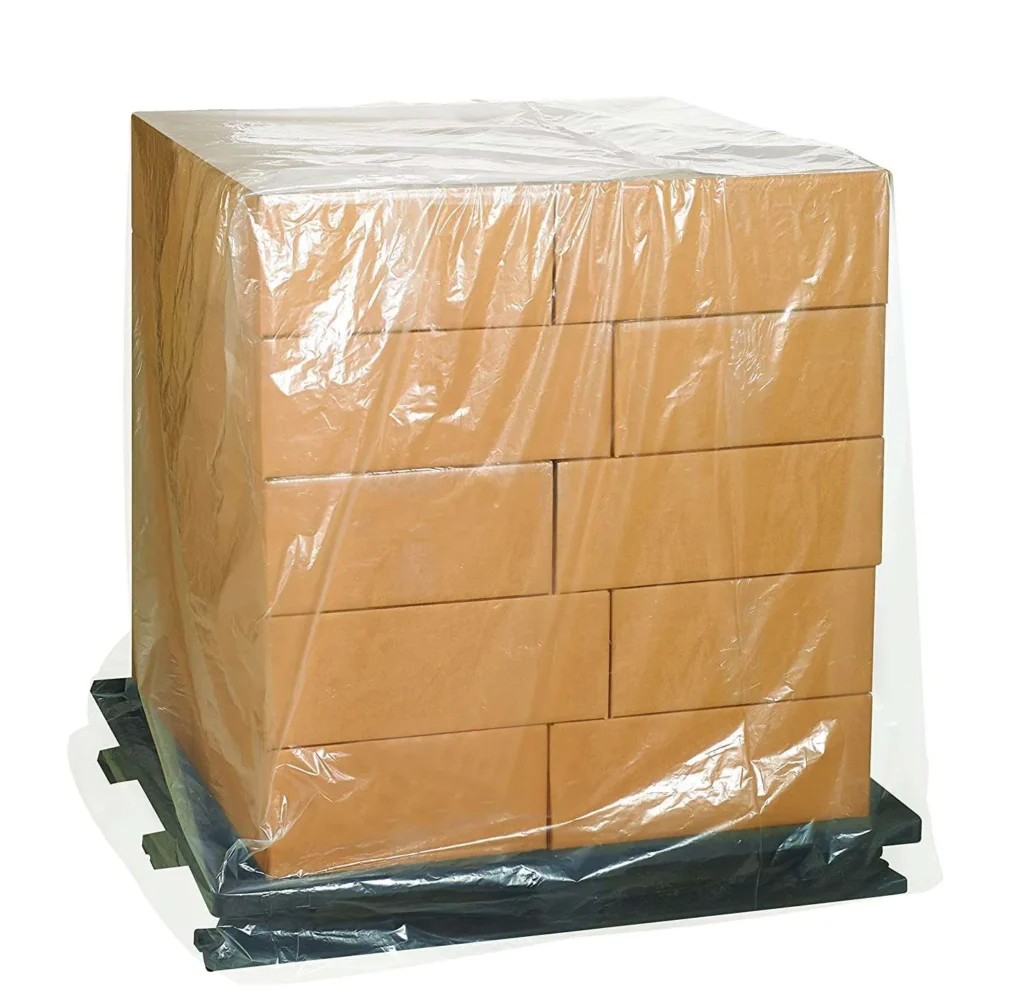
Walmart Liquidation Pallets: What They Are and How They Work
Walmart Liquidation Pallets have become an increasingly popular sourcing option for retailers, wholesalers, online sellers, and entrepreneurs looking for affordable inventory. These pallets can contain a wide variety of merchandise sourced from retail overstock, customer returns, shelf pulls, discontinued products, and excess inventory. Instead of purchasing individual products at traditional wholesale prices, businesses can acquire merchandise in bulk and potentially resell selected items for a profit.
For new and experienced resellers, understanding how Walmart Liquidation Pallets work is essential before making a purchase. Every pallet can contain a different combination of products, quantities, brands, and conditions. This variety is one of the biggest attractions of liquidation inventory, but it also means buyers should understand the potential risks and carefully evaluate each opportunity before committing their money.
What Are Walmart Liquidation Pallets?
Walmart Liquidation Pallets are bulk shipments of merchandise that retailers or liquidation suppliers make available after products are removed from regular retail inventory. These products can come from several inventory sources, including customer returns, excess stock, seasonal merchandise, store displays, shelf pulls, and discontinued products.
The merchandise found in a pallet can vary considerably. Depending on the particular load, buyers may find electronics, appliances, clothing, toys, tools, household products, furniture, sporting goods, kitchen items, beauty products, and general merchandise. Because liquidation inventory changes frequently, buyers should never assume that every pallet will contain the same products.
One of the main advantages of buying Walmart Liquidation Pallets is the opportunity to purchase inventory at prices below traditional retail costs. This can give resellers more flexibility when determining their own selling prices. However, the actual profitability of a pallet depends on factors such as product condition, demand, resale value, shipping expenses, marketplace fees, and the percentage of merchandise that can ultimately be sold.
Why Businesses Buy Walmart Liquidation Pallets
Liquidation pallets can provide an efficient way for businesses to acquire a large amount of merchandise without sourcing every product individually. For a growing retailer, purchasing inventory in bulk can save time and create opportunities to expand the number of products available to customers.
For online sellers, liquidation merchandise can be sorted and listed across multiple sales channels. A reseller might sell electronics through an online marketplace, household products through an eCommerce store, and other merchandise through local sales channels. This flexibility makes Walmart Liquidation Pallets attractive to businesses with different selling strategies.
- Access to bulk wholesale merchandise
- Potentially lower acquisition costs
- Wide variety of product categories
- Opportunities for online and local resale
- Flexible inventory for retailers and wholesalers
- Potential to discover high-demand products
What Can You Find in Walmart Liquidation Pallets?
The contents of Walmart Liquidation Pallets can vary depending on the source, inventory type, and availability. A general merchandise pallet may contain several unrelated product categories, while a more specialized pallet could focus on electronics, apparel, home goods, tools, or another category.
Potential merchandise can include customer returns, unopened overstock products, shelf pulls, seasonal goods, and items with damaged or missing retail packaging. Buyers should carefully review the condition information provided by the supplier whenever it is available.
If you’re interested in purchasing liquidation inventory for your own business, you can explore our Shop to view available wholesale merchandise and liquidation products. You can also visit our Liquidation Pallets category to explore different pallet opportunities.
Understanding Product Condition Before Buying
One of the most important factors when purchasing Walmart Liquidation Pallets is understanding product condition. Liquidation merchandise may be classified differently depending on whether it is new, overstock, shelf pull, customer return, tested, untested, or salvage. The condition can have a significant effect on the potential resale value of the inventory.
New or overstock merchandise may be ready for resale with minimal preparation, while customer returns could require inspection, cleaning, testing, repackaging, or minor repairs before being offered to customers. Buyers should therefore consider both the purchase price and the possible processing costs when calculating the potential profitability of a pallet.
For additional information about retail industry trends and consumer purchasing behavior, the National Retail Federation provides useful industry research and retail insights that can help businesses better understand the marketplace.
Ultimately, Walmart Liquidation Pallets can provide an attractive inventory sourcing opportunity for businesses that understand how liquidation merchandise works. By carefully evaluating product condition, estimating resale value, considering additional expenses, and choosing inventory that matches customer demand, resellers can make more informed purchasing decisions. In the next part of this guide, we will look more closely at the types of merchandise you may find inside Walmart liquidation pallets and how different product categories can affect resale opportunities.
What Can You Find Inside Walmart Liquidation Pallets?
One of the most exciting aspects of purchasing Walmart Liquidation Pallets is the variety of merchandise that can potentially be included. Unlike traditional wholesale orders where buyers select every individual product, liquidation pallets can contain a broad assortment of inventory from different categories. This variety can give retailers and resellers access to products they may not normally source through conventional wholesale suppliers.
The exact contents of Walmart Liquidation Pallets will depend on the particular load, inventory source, product category, and availability at the time of purchase. Some pallets may contain general merchandise covering several categories, while others may be more concentrated around products such as electronics, home goods, apparel, tools, or toys. Buyers should always review the available product information carefully before purchasing.
Electronics and Technology Products
Electronics can be among the most attractive categories for liquidation resellers because technology products often have strong consumer demand. Depending on the pallet, buyers may encounter headphones, speakers, accessories, computer equipment, smart devices, cables, chargers, small electronic gadgets, and other technology-related merchandise.
Electronics can also require additional attention before resale. Customer-return electronics should ideally be inspected and tested when possible so that sellers can accurately describe their condition. Proper testing, cleaning, photography, and product descriptions can make it easier to establish appropriate resale prices.
Home and Kitchen Merchandise
Home and kitchen products are another common category that can provide excellent opportunities for retailers. Potential merchandise may include cookware, storage products, kitchen accessories, household tools, décor, cleaning products, small appliances, and other everyday household items.
These products can appeal to a broad customer base because consumers regularly purchase items that make their homes more comfortable, organized, and functional. Resellers can separate the inventory into individual product listings or create themed bundles depending on the merchandise they receive.
Apparel, Shoes, and Fashion Accessories
Some Walmart Liquidation Pallets may contain clothing, footwear, handbags, accessories, and other fashion merchandise. Apparel liquidation can provide retailers with numerous individual products to list across online marketplaces or sell through physical stores.
When dealing with clothing and fashion products, sorting inventory by size, style, brand, season, and condition can make the resale process much easier. Products with original tags or packaging may also be easier to market, while customer-return merchandise should be inspected carefully for stains, damage, missing accessories, or other issues.
Toys, Games, and Children’s Products
Toys and games can also represent valuable resale inventory. Depending on the shipment, a pallet may contain educational toys, games, outdoor products, dolls, children’s accessories, or entertainment merchandise. Seasonal demand can have a significant effect on the resale potential of these products, particularly around holidays and major shopping periods.
Resellers should pay close attention to packaging, completeness, and product condition when handling children’s merchandise. Keeping products organized and providing accurate descriptions can help create a better experience for customers.
Tools and General Merchandise
Tools and general merchandise can provide additional opportunities for businesses purchasing Walmart Liquidation Pallets. Potential products may include hand tools, workshop accessories, storage solutions, automotive items, outdoor products, sporting goods, and various everyday essentials.
The advantage of general merchandise is the ability to serve multiple customer groups from one inventory purchase. A reseller can separate products into different categories and use multiple sales channels to reach customers who are specifically searching for those items.
How to Sort Your Liquidation Inventory
When a pallet arrives, organizing the merchandise before listing products for sale can make the entire resale process more efficient. Start by separating items according to product category and then inspect each item individually. Check packaging, accessories, visible damage, and overall condition. Products can then be divided into categories such as new, open-box, customer return, tested, untested, or damaged where appropriate.
- Separate products by category.
- Inspect packaging and visible condition.
- Test electronic products when possible.
- Check that important accessories are included.
- Photograph products clearly.
- Research comparable selling prices.
- Create accurate product descriptions.
- Store inventory in an organized location.
This process helps sellers avoid inaccurate listings and makes it easier to determine which products should be sold individually, bundled together, discounted, or used for other business purposes.
If you are ready to explore more bulk inventory opportunities, visit our Shop to see available liquidation products. You can also explore our General Merchandise category for additional mixed inventory suitable for retailers and resellers.
Choose Inventory Based on Your Customers
The most profitable Walmart Liquidation Pallets are not necessarily the pallets with the highest number of products. The best choice is often the inventory that matches the customers you already serve. A seller specializing in electronics may benefit more from an electronics-focused pallet, while a discount retailer may prefer general merchandise containing multiple product categories.
Understanding your customers, available selling channels, storage capacity, and expected resale prices can help you choose inventory more strategically. In Part 3, we will explain how to evaluate Walmart Liquidation Pallets before purchasing and the key factors every reseller should consider when estimating the potential value of a pallet.
How to Evaluate Walmart Liquidation Pallets Before Buying
Buying Walmart Liquidation Pallets can create excellent opportunities for retailers and resellers, but making the right purchasing decision requires careful evaluation. A pallet may look inexpensive at first, but the actual value depends on product condition, quantity, category, demand, shipping costs, and potential resale prices. Before committing to a purchase, buyers should take time to understand what they are receiving and calculate whether the inventory makes sense for their particular business.
1. Review the Available Inventory Information
The first step when evaluating Walmart Liquidation Pallets is to review every piece of information available about the shipment. Look for details about the inventory category, estimated quantity, product condition, source, and whether a manifest is available. A manifest can provide additional information about individual products, quantities, and estimated retail values, although the level of detail can vary between liquidation sources.
If a pallet is described as general merchandise, remember that the contents may cover several unrelated categories. If the inventory is described as electronics, apparel, tools, or another specialized category, you can usually build your resale strategy around that particular product type. Understanding the inventory description before purchasing can help you avoid buying merchandise that does not fit your business model.
2. Understand the Condition of the Merchandise
Product condition is one of the most important factors when evaluating Walmart Liquidation Pallets. Liquidation inventory can include new overstock, shelf pulls, open-box products, customer returns, tested items, untested merchandise, and products requiring repair or refurbishment.
New or overstock products may require less preparation before resale, while customer returns can require inspection and testing. If products are untested, buyers should account for the possibility that some items may not function correctly. Understanding these differences helps you create a more realistic estimate of your potential resale revenue.
3. Calculate Your Total Investment
Do not evaluate a pallet based only on its advertised purchase price. Your actual investment may include shipping, taxes, storage, labor, repairs, cleaning, packaging materials, marketplace fees, and other operating expenses.
For example, if you purchase a pallet for $2,000 and spend another $500 on transportation, repairs, packaging, and related expenses, your actual investment is closer to $2,500. Calculating the complete cost before buying gives you a much clearer picture of the profit potential.
4. Research Potential Resale Prices
Estimated retail value is useful, but it should not be confused with the amount you are guaranteed to receive when reselling the merchandise. Retail prices and actual market selling prices can be very different.
Before purchasing Walmart Liquidation Pallets, research comparable products on the marketplaces and sales channels you intend to use. Look at current listings as well as completed sales when that information is available. Consider how much customers are actually willing to pay rather than simply using the original retail price as your expected revenue.
5. Consider Product Demand
A pallet can contain hundreds of products and still be difficult to sell if those products have limited customer demand. Research the categories and brands included in the inventory whenever possible. Products with established demand may sell faster, while highly seasonal or niche merchandise could require more time and marketing effort.
Understanding your existing customer base is particularly important. If your customers regularly purchase household goods, for example, a pallet containing relevant home products may provide more value to your business than a mixed pallet containing products outside your normal market.
6. Evaluate Shipping and Storage Requirements
Shipping can have a significant impact on the profitability of Walmart Liquidation Pallets. Large and heavy pallets can require substantial transportation costs, especially when shipped over long distances. Before purchasing, determine how the pallet will be delivered and whether the destination can accommodate freight delivery.
You should also consider where you will store the merchandise after it arrives. A single pallet can contain a large volume of products, so having adequate storage space and an organized inventory system can prevent unnecessary delays and damage.
7. Know Your Resale Channels
Before buying liquidation inventory, determine where you plan to sell the products. Possible channels include your own eCommerce website, online marketplaces, social media, physical retail stores, flea markets, local marketplaces, and wholesale customers.
Different sales channels have different fees, customer expectations, shipping requirements, and return policies. Understanding these factors before purchasing can help you determine realistic selling prices and potential profit margins.
Use a Simple Profitability Calculation
A simple calculation can help you decide whether a pallet is worth considering. Estimate your potential gross sales, then subtract the purchase price and other expected expenses. This gives you a rough estimate of your potential gross profit before taxes and other business costs.
| Factor | What to Consider |
|---|---|
| Purchase Price | Cost of the liquidation pallet or load |
| Shipping | Freight and delivery expenses |
| Condition | New, overstock, returns, open-box, tested, or untested |
| Resale Value | Realistic market selling prices |
| Additional Costs | Repairs, cleaning, storage, packaging, and marketplace fees |
| Potential Profit | Estimated sales revenue minus total investment |
For more wholesale sourcing opportunities, visit our Shop to browse available liquidation inventory. You can also explore our Amazon Pallets category if you are interested in comparing different retailer liquidation opportunities.
It is also useful to stay informed about broader retail conditions when making inventory decisions. The National Retail Federation provides retail industry information and consumer spending insights that can help businesses understand changing market conditions.
Make an Informed Purchasing Decision
The best approach to buying Walmart Liquidation Pallets is to evaluate the complete opportunity rather than focusing on one number. Consider the merchandise condition, product demand, expected resale prices, transportation costs, storage requirements, and your preferred sales channels before placing an order. A well-researched purchase can give your business access to valuable inventory while reducing unnecessary financial risk.
How to Resell Walmart Liquidation Pallets for Profit
Once you have purchased and received your Walmart Liquidation Pallets, the next step is turning the inventory into sales. Buying liquidation merchandise at a competitive price is only the beginning. Successful resellers need a clear strategy for inspecting products, organizing inventory, determining realistic selling prices, creating attractive listings, and choosing the right sales channels. A well-organized resale process can help you move inventory efficiently while creating a better experience for your customers.
Sort and Organize Your Inventory
Start by sorting your Walmart Liquidation Pallets as soon as the merchandise arrives. Separate products into categories such as electronics, home goods, apparel, tools, toys, kitchen products, and general merchandise. Organizing inventory immediately makes it easier to inspect products, photograph them, create listings, and track sales.
You should also separate products according to their condition. New, sealed, open-box, customer-returned, tested, untested, and damaged products should not automatically receive the same selling price. Accurate organization allows you to provide customers with honest product descriptions and reduces the likelihood of disputes after a sale.
Inspect and Test Products
Inspection is particularly important when working with customer-return merchandise. Examine products for visible damage, missing accessories, stains, scratches, broken components, or signs of previous use. Electronics should be tested whenever practical to determine whether they function correctly.
If an item cannot be tested, make sure the product listing clearly explains its condition rather than presenting it as fully tested. Transparency can help establish customer trust and protect your business from unnecessary returns.
Research the Market Before Pricing
One of the biggest mistakes new liquidation resellers make is pricing products based solely on their original retail price. The original retail price can provide useful context, but it does not guarantee what customers will currently pay.
Before listing products from your Walmart Liquidation Pallets, research comparable products and look at current market prices. Consider the brand, model, condition, demand, included accessories, and shipping costs. If similar products are selling for significantly less than their original retail price, your resale price should reflect current market conditions.
Choose the Right Sales Channels
There are several ways to resell liquidation inventory. Your choice should depend on the type of merchandise you receive, your target customers, and the resources available to your business.
- eCommerce website: Build your own store and maintain greater control over product presentation and customer relationships.
- Online marketplaces: Reach established audiences searching for specific products.
- Social media: Promote products directly to followers and local customers.
- Physical retail: Sell merchandise through a store, warehouse, or discount outlet.
- Local marketplaces: Sell larger or heavier products to customers in your area.
- Wholesale: Sell groups of products to other retailers and resellers.
Using multiple channels can help you move different types of inventory more efficiently. For example, smaller electronics may be easier to sell online, while bulky furniture or appliances may be more practical to sell locally.
Create Professional Product Listings
Good product listings can significantly improve your chances of selling inventory. Use clear photographs taken from multiple angles and accurately describe the product’s condition. Include important information such as the brand, model, dimensions, features, included accessories, and any known defects.
When selling products from Walmart Liquidation Pallets, avoid exaggerating the condition or making claims you cannot verify. Accurate listings help customers make informed purchasing decisions and can reduce avoidable returns.
Consider Bundling Lower-Value Products
Not every product in a liquidation pallet needs to be sold individually. Some lower-value items may be more profitable when combined into bundles. For example, kitchen accessories could be packaged together, while related electronic accessories could be sold as a convenient product bundle.
Bundling can reduce listing work, simplify inventory management, and create a more attractive offer for customers. The best bundles usually contain products that naturally complement one another.
Use Your Inventory Data to Improve Future Purchases
Keep records of what you purchase, what sells quickly, what remains in storage, and which categories generate the strongest margins. Over time, this information can help you make better purchasing decisions.
If your customers consistently purchase electronics but show little interest in certain household products, you can adjust future sourcing decisions accordingly. The goal is to identify the types of Walmart Liquidation Pallets that best match your market rather than purchasing inventory based solely on low prices.
| Resale Strategy | Best Use |
|---|---|
| Individual Listings | Higher-value products with strong demand |
| Product Bundles | Related lower-value merchandise |
| Local Sales | Large or heavy products |
| Online Marketplaces | Popular products with established demand |
| Wholesale Sales | Large quantities of similar merchandise |
If you need additional inventory for your resale business, visit our Shop to explore available liquidation products. You can also browse our Wholesale Pallets category for additional bulk purchasing opportunities.
Build a Sustainable Reselling Business
Reselling Walmart Liquidation Pallets can become more efficient as you gain experience and understand your customers. Focus on accurate inventory evaluation, competitive pricing, professional listings, efficient fulfillment, and excellent customer service. Instead of treating every pallet as a guaranteed profit, approach each purchase as an inventory investment that requires research and management.
By combining smart sourcing with effective resale strategies, businesses can create a repeatable process for purchasing, processing, marketing, and selling liquidation merchandise.
Common Mistakes to Avoid When Buying Walmart Liquidation Pallets
Buying Walmart Liquidation Pallets can provide valuable opportunities for retailers and resellers, but success depends on making informed purchasing decisions. New buyers sometimes focus only on the advertised retail value or purchase price without considering condition, shipping, storage, resale demand, and other costs. Understanding the most common mistakes can help you approach liquidation inventory more strategically and protect your business investment.
1. Focusing Only on the Estimated Retail Value
One of the most common mistakes when purchasing Walmart Liquidation Pallets is assuming that the estimated retail value represents the amount you will receive when you resell the merchandise. Retail value and actual market value are not the same. Products may sell for substantially less than their original retail prices depending on brand, condition, demand, competition, and current market conditions.
Instead of relying exclusively on retail value, research comparable products and realistic selling prices before making a purchasing decision. This gives you a better understanding of the potential revenue and helps you determine whether the pallet fits your budget and business strategy.
2. Ignoring Product Condition
Another important mistake is failing to understand the condition of the inventory. Walmart Liquidation Pallets can contain different types of merchandise, including overstock, shelf pulls, customer returns, open-box products, tested items, untested merchandise, and products that may require additional processing.
Always read the available inventory description carefully. If customer returns are included, consider the time and cost required to inspect, test, clean, repair, or repackage products before resale. Understanding condition before buying helps you establish realistic expectations.
3. Forgetting Additional Expenses
The purchase price is only one part of your total investment. Shipping, storage, repairs, packaging, labor, marketplace fees, payment processing fees, taxes, and other operating costs can affect your final profit.
Before purchasing Walmart Liquidation Pallets, calculate as many expenses as possible. A pallet that appears inexpensive may become less attractive after transportation and processing costs are included. Proper budgeting allows you to make purchasing decisions based on your actual expected investment rather than the advertised price alone.
4. Buying Inventory That Does Not Match Your Customers
Another common mistake is purchasing a pallet simply because the price appears attractive. The products still need to have customers. Inventory that does not match your target market can remain in storage for long periods, tying up your money and reducing available space for products that sell faster.
Consider your existing customers and sales channels before choosing Walmart Liquidation Pallets. If your customers are primarily interested in electronics, for example, inventory focused on unrelated categories may not provide the same opportunities as products that already have proven demand among your audience.
5. Failing to Have a Resale Plan
Before purchasing a pallet, determine how you intend to sell the merchandise. Decide whether you will use your own online store, established marketplaces, social media, a physical retail location, local sales channels, or wholesale customers.
Having a resale plan before the inventory arrives makes it easier to organize products and begin selling quickly. It also helps you estimate fees, shipping requirements, storage needs, and expected selling prices in advance.
Frequently Asked Questions About Walmart Liquidation Pallets
Are Walmart Liquidation Pallets profitable?
Walmart Liquidation Pallets can offer profitable resale opportunities, but profitability is not guaranteed. Results depend on the purchase price, product condition, market demand, selling prices, operating expenses, and the percentage of inventory that can be successfully resold.
What products can be found in Walmart Liquidation Pallets?
The contents can vary significantly. Depending on the particular shipment, buyers may find electronics, home goods, kitchen products, apparel, footwear, toys, tools, appliances, sporting goods, beauty products, and general merchandise.
Should beginners buy liquidation pallets?
Beginners can purchase liquidation pallets, but they should start with a clear understanding of their budget, storage capacity, preferred sales channels, and target customers. Learning how to inspect and value liquidation inventory is important before making larger purchases.
How should I calculate potential profit?
Estimate realistic selling revenue and subtract the complete cost of acquiring and preparing the inventory. Include the pallet purchase price, shipping, repairs, cleaning, storage, packaging, marketplace fees, and other relevant expenses. The remaining amount provides a rough estimate of potential gross profit before additional business costs.
Where can I find more liquidation inventory?
You can visit our Shop to explore available wholesale merchandise, liquidation pallets, customer returns, overstock products, electronics, and other bulk inventory. Our Liquidation Pallets category provides another convenient way to browse available pallet opportunities.
Final Thoughts on Walmart Liquidation Pallets
Walmart Liquidation Pallets can be an effective inventory sourcing option for retailers, wholesalers, online sellers, and entrepreneurs who understand how to evaluate liquidation merchandise. The key is to look beyond the advertised purchase price and consider the complete investment, including product condition, shipping, storage, processing, market demand, and realistic resale prices.
Successful liquidation reselling is built on research, organization, accurate pricing, and consistent inventory management. Take time to understand the products you are buying, choose inventory that matches your customers, and establish your resale strategy before making a purchase. By following these principles, you can approach liquidation sourcing with greater confidence and make more informed decisions for your business.
Whether you are purchasing your first pallet or expanding an established resale operation, the opportunities within the liquidation market continue to provide businesses with access to diverse wholesale inventory. Explore our available products, compare your options carefully, and choose merchandise that aligns with your business goals and customers.
Ready to explore wholesale inventory? Visit our Shop today and discover liquidation pallets and bulk merchandise available for retailers and resellers.