
Best Clothing Pallets for Beginners: A 2026 Guide to Buying and Reselling
If you are looking for the Best Clothing Pallets for Beginners, starting with the right type of inventory can make a major difference in your reselling business. Clothing is one of the more accessible liquidation categories because apparel does not normally require the same level of technical testing as electronics, appliances, or other complex products. However, that does not mean every clothing pallet is automatically a good investment. Understanding what you are buying, how the inventory is graded, and how you plan to sell it is essential before committing your money.
Clothing liquidation pallets can contain overstock merchandise, shelf pulls, customer returns, discontinued products, seasonal inventory, or mixed apparel. The exact contents depend on the supplier and the source of the inventory. Recent liquidation guides emphasize that these categories can have significantly different levels of risk, which is why beginners should learn how each type works before purchasing. Learn more about clothing liquidation pallets and sourcing considerations.
What Are Clothing Pallets?
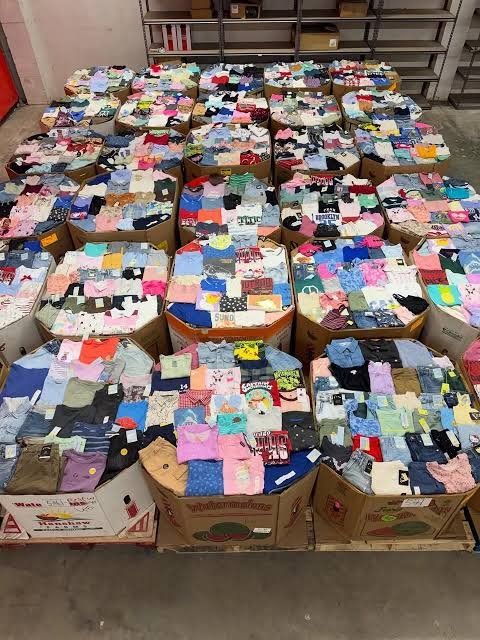
Clothing pallets are bulk quantities of apparel packaged and sold together as wholesale or liquidation inventory. Instead of purchasing individual garments at standard retail prices, a reseller purchases a larger collection that can contain dozens, hundreds, or potentially more pieces depending on the pallet and supplier.
A clothing pallet may include items such as shirts, jeans, trousers, dresses, jackets, hoodies, sweaters, children’s clothing, activewear, swimwear, or other apparel categories. Some pallets are highly specialized, while others contain a mixture of clothing styles, sizes, colors, and brands.
This variety is one of the reasons clothing pallets can be attractive to new resellers. A single purchase can provide enough inventory to create multiple product listings, supply a small physical store, participate in flea markets, or build an online resale business.
Why Clothing Pallets Can Be Good for Beginners
One of the biggest advantages of clothing inventory is that individual garments are generally straightforward to inspect. A reseller can examine the fabric, seams, tags, zippers, buttons, colors, measurements, and overall condition without requiring specialized diagnostic equipment.
Clothing can also be sold through multiple channels. Depending on your target market, you may sell apparel through an ecommerce website, social media, local markets, pop-up events, clothing stores, or other legitimate resale channels.
Another advantage is variety. Instead of building your business around one product, a mixed clothing pallet can allow you to test different categories and discover what your customers actually want.
However, beginners should not assume that every pallet will produce the same results. Clothing pallets are not standardized, and factors such as condition, size distribution, seasonality, brand mix, category mix, and shipping costs can significantly affect the actual value of the inventory.
Best Clothing Pallets for Beginners: Start With the Right Inventory
When deciding on the Best Clothing Pallets for Beginners, it is useful to consider how much uncertainty you can comfortably manage. A new reseller may benefit from inventory with a more predictable condition and clearly defined product categories.
For example, overstock clothing generally consists of merchandise that was produced or purchased for retail but was not sold through the original sales channel. Overstock can be attractive to beginners because the merchandise may be new and may still have original tags, although the exact condition and documentation should always be confirmed with the supplier.
Shelf-pull clothing can also be worth considering. These garments may have been displayed in a retail environment but removed from the sales floor for various reasons. While many pieces may remain in good condition, buyers should inspect the specific grade and description before purchasing.
Customer-return clothing requires more caution. Returned garments can range from unused items to clothing that has been worn, washed, damaged, stained, or returned without original packaging. For this reason, beginners should understand the supplier’s grading system and inspect sample inventory whenever possible.
Overstock Clothing Pallets
Overstock pallets are often one of the more beginner-friendly options because the inventory can be more predictable than heavily mixed customer-return merchandise. Overstock can include clothing that remained unsold because of seasonal changes, excess purchasing, cancelled orders, or changes in retail demand.
For a beginner, new-condition overstock can simplify the process of photographing, listing, packaging, and selling individual garments. It can also reduce the amount of time required for cleaning or repairing inventory.
That does not mean overstock is risk-free. A pallet can still contain unpopular colors, unusual sizes, outdated styles, or seasonal products that may take longer to sell. The goal is therefore not simply to find the cheapest pallet but to find inventory that matches your customers.
Mixed Clothing Pallets
Mixed clothing pallets contain multiple types of apparel and can be useful for beginners who want to test different product categories. A mixed pallet might include women’s clothing, men’s clothing, children’s apparel, tops, bottoms, dresses, jackets, or other fashion products.
The major advantage is diversification. If one category moves slowly, another category may perform better. This can give a new reseller useful information about local customer demand.
The downside is that mixed inventory requires more organization. You may need to sort the garments by gender, category, size, condition, brand, and season before creating your listings.
Choose Clothing Pallets Based on Your Selling Strategy
The Best Clothing Pallets for Beginners are not necessarily the pallets with the biggest quantity or the lowest advertised price. The best choice is the pallet that fits your available capital, storage capacity, customer base, selling platform, and ability to process inventory.
For example, someone selling clothing at a local market may prefer a mixed apparel pallet containing affordable everyday garments. An online reseller may prefer a more specialized pallet because individual products can be photographed and listed separately.
A boutique owner may prefer new-condition apparel with a consistent style, while a reseller who specializes in bargain fashion may be comfortable with a wider mixture of brands and categories.
Before purchasing, think about where every major category in the pallet will be sold. If you cannot explain how you intend to sell the inventory, buying a large pallet may create unnecessary risk.
Start Small Before Scaling
One of the most important principles for a beginner is to avoid purchasing more inventory than you can realistically process. A large pallet may look attractive because the cost per item appears low, but inventory only becomes useful when you can inspect it, organize it, photograph it, list it, market it, sell it, and ship it.
Starting with a manageable quantity allows you to learn your actual sell-through rate. You can track which sizes sell quickly, which categories attract customers, how much time each listing requires, and what your real costs look like.
Once you understand those numbers, you can gradually increase your purchasing volume.
If you are ready to explore additional wholesale and liquidation inventory for your business, visit the Elite Pallet Liquidators shop to browse available product categories and bulk inventory opportunities.
What Beginners Should Check Before Buying
Before purchasing any clothing pallet, ask for as much information as possible. Important details include the number of pieces, clothing categories, condition, brand information, size distribution, season, pallet dimensions, shipping arrangements, and whether a manifest is available.
A manifest can be particularly useful because it gives you more information about the expected contents of a lot. However, you should still verify exactly what the supplier guarantees because a manifest does not automatically mean every individual item will arrive in perfect condition.
Current buyer guides also recommend paying attention to total landed cost rather than focusing only on the advertised pallet price. Freight, handling, storage, cleaning, repairs, packaging, marketplace fees, and other operating costs can all affect your actual profit. :contentReference[oaicite:1]{index=1}
Final Thoughts for First-Time Clothing Resellers
Finding the Best Clothing Pallets for Beginners starts with understanding the difference between inventory types and choosing merchandise that matches your business model. Overstock and carefully defined apparel lots can provide a more predictable starting point, while customer returns and heavily mixed inventory may require more sorting and inspection experience.
Do not choose a pallet simply because the advertised discount looks impressive. Study the inventory, calculate your expected costs, understand the condition, and determine how you will sell the products before placing an order.
With careful sourcing, organized inventory management, realistic pricing, and consistent marketing, clothing pallets can become a useful source of inventory for a growing resale business.
Best Clothing Pallets for Beginners: Types to Consider
Choosing the Best Clothing Pallets for Beginners requires understanding the different types of liquidation clothing available. Not every pallet is the same, and the condition, category, brand mix, size range, and source of the merchandise can have a major impact on your resale strategy. Beginners should focus on inventory that they can realistically inspect, organize, price, and sell.
Some clothing pallets contain brand-new overstock, while others may contain shelf pulls, customer returns, or mixed-condition merchandise. Each type can present a different opportunity and level of risk. Understanding these differences before purchasing can help you make better sourcing decisions and avoid buying inventory that is difficult to resell.
1. Overstock Clothing Pallets
Overstock clothing pallets are often among the Best Clothing Pallets for Beginners because they can provide relatively straightforward inventory for a new reseller. Overstock refers to merchandise that was produced or purchased for retail but remained unsold for various reasons.
Overstock clothing may include shirts, dresses, jeans, jackets, activewear, children’s apparel, seasonal clothing, and other fashion products. Depending on the source, some merchandise may still have original retail tags or packaging.
The biggest advantage for beginners is that new-condition clothing can require less preparation than used or damaged merchandise. Instead of spending significant time cleaning or repairing garments, you can concentrate on sorting, photographing, listing, marketing, and selling them.
However, beginners should still investigate the inventory carefully. Overstock does not automatically mean that every item will be popular. A pallet may contain unusual sizes, seasonal products, outdated styles, or colors that are more difficult to sell.
Why Overstock Can Be Beginner-Friendly
- Potentially new-condition merchandise
- Less preparation compared with heavily used inventory
- Suitable for online and physical retail
- Can contain multiple clothing categories
- Often easier to photograph and list
2. Shelf Pull Clothing Pallets
Shelf pull pallets are another option when researching the Best Clothing Pallets for Beginners. Shelf pulls generally refer to products removed from retail shelves or displays. These garments may not have been sold to a customer, but their condition can vary depending on how they were handled.
Some shelf-pull clothing can be in excellent condition, while other pieces may show signs of handling, missing tags, damaged packaging, or minor cosmetic issues. Therefore, beginners should ask the supplier for a clear description of the condition before buying.
Shelf pulls can be attractive because they may provide recognizable retail merchandise without requiring the reseller to purchase inventory through traditional retail channels.
What to Check With Shelf Pulls
Before purchasing shelf-pull clothing, ask whether the merchandise is new, whether original tags are attached, whether packaging is included, and whether there are known defects. Understanding the grading system can help you determine whether the pallet is appropriate for your business.
You should also consider whether your selling platform allows the type of inventory you are purchasing and whether you need to disclose any condition issues to customers.
3. Customer Return Clothing Pallets
Customer return pallets can provide large quantities of clothing, but they generally require more inspection than straightforward new-condition overstock. Returned apparel can have different conditions because customers may have tried on, worn, washed, damaged, or otherwise handled the garments before returning them.
For an experienced reseller, customer returns can sometimes create opportunities because inventory may be acquired at a lower cost. For a beginner, however, the additional inspection and preparation requirements should be considered carefully.
When evaluating customer return clothing, inspect garments for stains, odors, tears, missing buttons, broken zippers, stretched fabric, missing tags, and other defects.
Are Customer Returns Good for Beginners?
Customer returns can be suitable for beginners who are willing to learn product inspection and quality control. However, if you are completely new to liquidation, starting with more predictable new-condition inventory may make your first experience easier.
If you decide to purchase returns, calculate the potential cost of cleaning, repairing, photographing, storing, and processing the merchandise before deciding whether the pallet makes financial sense.
4. Mixed Clothing Pallets
Mixed clothing pallets contain different categories of apparel in one lot. These pallets can be among the Best Clothing Pallets for Beginners when the reseller wants to test several clothing categories instead of committing to one specific product type.
A mixed pallet could contain women’s clothing, men’s clothing, children’s apparel, dresses, tops, trousers, jeans, jackets, hoodies, activewear, swimwear, and other garments.
The major advantage is variety. You can discover which categories perform best with your customers without buying separate pallets for every category.
The main challenge is organization. A mixed pallet can take longer to sort because you may need to separate the garments by category, gender, size, color, condition, and season.
When Mixed Clothing Pallets Make Sense
Mixed pallets can work particularly well for resellers who have multiple sales channels. For example, you might sell premium pieces through your online store while offering lower-priced everyday garments through local markets or social media sales.
This gives you more flexibility when determining where each item should be sold.
5. Women’s Clothing Pallets
Women’s clothing pallets can be another option for beginners because they can contain a wide variety of apparel categories. Depending on the lot, inventory may include dresses, tops, jeans, trousers, jackets, activewear, swimwear, skirts, and other fashion products.
The large variety of women’s apparel can provide opportunities for businesses targeting fashion-conscious customers. However, trends and sizing can change quickly, so buyers should examine the product mix before committing to a large quantity.
When purchasing women’s clothing pallets, pay attention to size distribution. A pallet containing a large number of only one or two sizes may be more difficult to sell than a pallet with a broader size range.
6. Men’s Clothing Pallets
Men’s clothing pallets can include shirts, trousers, jeans, jackets, hoodies, activewear, shorts, and other apparel. They can be useful for retailers targeting men’s fashion or businesses that want to create a dedicated men’s clothing section.
For beginners, the same basic sourcing principles apply. Look at the condition, size distribution, category mix, brand information, seasonality, and expected selling prices before purchasing.
Rather than assuming that every branded item will sell quickly, research the actual demand for the categories and styles included in the pallet.
7. Children’s Clothing Pallets
Children’s clothing can provide another interesting inventory category for new resellers. Children’s apparel can include baby clothing, toddler clothing, children’s shirts, trousers, dresses, jackets, sleepwear, and seasonal garments.
One important consideration with children’s apparel is sizing. Children’s sizes can be divided into multiple age and measurement ranges, so careful organization is particularly important.
If you sell children’s clothing online, make sure product descriptions clearly identify the size and any relevant measurements. Accurate information can help customers select the correct garment and reduce avoidable returns.
8. Seasonal Clothing Pallets
Seasonal clothing pallets contain apparel designed primarily for a particular time of year. Examples include summer clothing, winter jackets, swimwear, holiday apparel, and other seasonal products.
Seasonal pallets can provide excellent opportunities when purchased and marketed at the right time. However, they can also create storage challenges if you purchase inventory immediately after the season has ended.
Beginners should consider their local climate and customer demand before purchasing a large seasonal pallet. Inventory that sells quickly during summer may move much more slowly during colder months, and the reverse can also be true.
9. Swimwear and Bikini Pallets
Swimwear pallets can be an attractive niche for resellers who want to specialize in seasonal fashion. These pallets may include swimsuits, bikinis, one-piece swimwear, beachwear, and related products.
For example, a wholesale swimsuit pallet can provide a large quantity of apparel for retailers targeting customers preparing for holidays, vacations, beach trips, or summer activities.
Because swimwear is closely connected to seasonality, timing is important. Beginners should consider when demand is strongest in their target market and plan their purchasing and marketing accordingly.
10. Branded Clothing Pallets
Branded clothing pallets can contain merchandise associated with recognizable fashion brands. These products may attract customers who specifically search for familiar labels, but beginners should be especially careful about authenticity and documentation.
Do not assume that a pallet is authentic simply because a listing uses a famous brand name. Buyers should request appropriate documentation and purchase from suppliers that can clearly explain the source and condition of the merchandise.
When reselling branded products, accurate product descriptions are essential. Avoid making claims about authenticity, condition, or origin unless you have sufficient evidence to support those claims.
Which Clothing Pallet Is Best for a Beginner?
The answer depends on your budget, experience, storage capacity, target customer, and preferred sales channel. However, beginners generally benefit from starting with inventory that is easier to understand and process.
New-condition overstock can be a practical starting point because it may require less cleaning and repair. Mixed clothing pallets can be useful if you want to test several categories. Shelf pulls can provide another opportunity when the condition is clearly documented.
Customer returns may require more experience because the condition can vary considerably between individual pieces.
| Clothing Pallet Type | Beginner Suitability | Main Advantage | Main Consideration |
|---|---|---|---|
| Overstock | High | Often predictable condition | May contain slow-moving styles |
| Shelf Pulls | High to Moderate | Potentially good-condition inventory | Inspect handling and packaging |
| Mixed Clothing | High to Moderate | Wide product variety | Requires more sorting |
| Customer Returns | Moderate | Potential sourcing opportunities | Condition can vary significantly |
| Seasonal Clothing | Moderate | Strong seasonal demand | Timing is important |
| Branded Clothing | Moderate | Recognizable products | Authenticity must be verified |
How Much Clothing Should a Beginner Buy?
There is no universal quantity that every beginner should purchase. Your first order should be based on how much inventory you can realistically process and how much capital you can afford to have tied up in stock.
If you are new to clothing liquidation, starting with a manageable pallet can help you learn the process without creating unnecessary financial pressure. Track your total acquisition cost, average selling price, selling fees, shipping costs, storage expenses, and the time required to process every item.
Once you know your actual numbers, you can make better decisions about purchasing larger quantities.
Compare the Pallet With Your Business Goals
The Best Clothing Pallets for Beginners should always be evaluated against your specific business goals. A pallet that works well for an online fashion reseller may not be appropriate for a local market seller.
Think about your customer before purchasing the inventory. Ask yourself what sizes they buy, what styles they prefer, what price range they can afford, and whether they are looking for everyday clothing or seasonal fashion.
The more closely the pallet matches your customer base, the easier it can be to create relevant product listings and marketing campaigns.
Final Takeaway
There are several types of clothing pallets available to new resellers, including overstock, shelf pulls, customer returns, mixed apparel, women’s clothing, men’s clothing, children’s clothing, seasonal apparel, swimwear, and branded merchandise.
For many beginners, the safest starting point is to choose inventory that has clearly documented contents and condition. Avoid focusing solely on the lowest purchase price. Instead, evaluate the potential resale value, demand, condition, size distribution, shipping costs, and amount of work required to prepare the inventory.
Understanding these differences will put you in a much stronger position when selecting the Best Clothing Pallets for Beginners and preparing your first liquidation purchase.
For more wholesale inventory opportunities, visit Elite Pallet Liquidators and explore available liquidation products for your resale business.
How to Resell the Best Clothing Pallets for Beginners
Once you have selected one of the Best Clothing Pallets for Beginners, the next challenge is turning bulk inventory into individual sales. Buying the pallet is only the beginning. Your ability to organize, price, photograph, market, and sell each garment will determine how effectively you turn liquidation inventory into revenue.
A strong resale strategy should begin before the pallet arrives. Decide which sales channels you will use, how you will organize the merchandise, what information you need for product listings, and how you will handle items that do not sell immediately.
Sort Your Clothing Immediately
When the pallet arrives, avoid leaving everything in one large pile. Sort the clothing as soon as practical.
You can organize garments by:
- Men’s clothing
- Women’s clothing
- Children’s clothing
- Product category
- Size
- Brand
- Condition
- Season
- Expected selling price
This process makes it easier to identify your strongest inventory and determine which pieces require additional preparation.
Inspect Every Garment
Even when you purchase new-condition inventory, inspect the garments before listing them. Check seams, buttons, zippers, fabric, tags, stains, odors, and other visible details.
For customer returns and mixed-condition pallets, inspection becomes even more important. Separate damaged or questionable items from products that are ready for immediate resale.
Proper inspection protects your reputation and can reduce avoidable customer complaints and returns.
Clean and Prepare the Inventory
Depending on the condition of your clothing pallets, some garments may require cleaning, steaming, folding, or minor repairs before they are listed.
Clean and presentable clothing generally creates a better first impression than garments photographed straight from a pallet. However, do not make unsupported claims about cleaning or sanitation. Only describe preparation that you have actually performed.
Take Better Product Photos
Photography is especially important when selling clothing online. Customers cannot physically touch or try on your garments, so your photographs need to provide useful visual information.
Take clear photographs of the front and back of each garment. Include close-up images of tags, patterns, unique details, and any defects that customers should know about.
Use consistent lighting and backgrounds whenever possible. Consistency can make your online clothing store look more professional and easier to browse.
Write Accurate Product Descriptions
A strong product description should provide the information customers need before making a purchase. Include the garment type, brand when verified, size, color, material when known, condition, measurements, and important features.
Measurements can be particularly useful because clothing sizes are not always identical between brands or manufacturers.
Never exaggerate the condition of liquidation clothing. If an item has a visible defect, explain it clearly rather than hiding it.
Choose the Right Selling Channel
The Best Clothing Pallets for Beginners can be resold through different channels depending on the type of inventory and your target customers.
Possible channels include:
- Your own ecommerce website
- Social media storefronts
- Local clothing markets
- Pop-up sales
- Physical retail stores
- Online marketplaces
- Direct sales to local customers
Each channel has different costs, customer expectations, and operational requirements. Choose the channels where your target customers are most likely to shop.
Price Clothing Based on the Market
Pricing liquidation clothing requires a balance between profitability and customer demand. A high markup does not help if the products remain unsold for months.
Research comparable garments and consider their condition, brand, size, style, and market demand. You can then establish a pricing strategy that gives you enough margin while remaining competitive.
Some resellers use different pricing levels for premium, standard, and clearance inventory. This can make it easier to manage a large clothing pallet.
Use Bundles to Move Slow Inventory
Not every garment will sell individually. Bundling can be a useful strategy for moving lower-priced or slower-selling clothing.
For example, you might create a bundle of several basic shirts, children’s garments, or seasonal pieces. Bundles can increase the perceived value of the purchase while helping you reduce the amount of slow-moving stock.
Make sure your bundle descriptions accurately explain what customers will receive.
Use Seasonal Marketing
Timing can influence the performance of clothing pallets significantly. Swimwear, summer clothing, jackets, sweaters, holiday apparel, and other seasonal categories tend to perform differently throughout the year.
If your pallet contains seasonal inventory, plan your marketing campaign before demand reaches its peak. Waiting until the season is nearly finished may force you to discount products heavily.
Build an Inventory Tracking System
Beginners should track every major purchase and sale. At minimum, record the pallet purchase cost, shipping cost, number of sellable pieces, selling price, fees, and remaining inventory.
You can use a spreadsheet or inventory management system to track your clothing pallets. Good records allow you to determine which categories produce the strongest results.
After several purchases, you may discover that certain types of clothing consistently outperform others. That information can guide your next sourcing decision.
Measure Sell-Through Rate
Sell-through rate is an important metric for clothing resellers. It helps you understand how quickly inventory is converting into sales.
A simple approach is to compare the number of items sold against the number of items available during a defined period.
If a particular category consistently sells faster than others, you may want to allocate more of your purchasing budget to that category.
Reinvest Carefully
When your first clothing pallet performs well, it can be tempting to immediately purchase several larger pallets. However, scaling too quickly can create storage and cash-flow problems.
Instead, use your sales data to determine how much inventory you can realistically handle. Reinvest a portion of your profits while maintaining enough working capital for shipping, marketing, operating expenses, and unexpected costs.
Build a Repeatable Reselling Process
The goal of buying the Best Clothing Pallets for Beginners should not be a single profitable transaction. Ideally, you want to develop a repeatable process for sourcing, processing, listing, selling, and replenishing inventory.
Once you know which pallet types, clothing categories, sizes, and price points work best for your customers, future purchases can become more strategic.
For additional liquidation inventory, you can explore the Elite Pallet Liquidators shop and compare available wholesale clothing opportunities.
Mistakes to Avoid When Buying the Best Clothing Pallets for Beginners
Even after researching the Best Clothing Pallets for Beginners, a new reseller can make expensive mistakes during the purchasing process. Liquidation inventory can create excellent opportunities, but beginners need to approach every purchase with realistic expectations.
Understanding the most common sourcing mistakes can help you protect your capital and make better purchasing decisions.
1. Choosing a Pallet Only Because It Is Cheap
A low purchase price does not automatically make a pallet a good investment. Extremely cheap clothing inventory may contain unpopular styles, unusual sizes, damaged garments, seasonal merchandise, or products that require significant preparation.
Instead of asking only, “How cheap is this pallet?” ask, “How much will it cost me to turn this inventory into sellable products?”
2. Assuming Retail Value Equals Resale Value
Liquidation listings sometimes advertise a total retail value for the inventory. Beginners should not assume that the stated retail value represents the amount they can actually earn by reselling the products.
Retail value and realistic resale value are different concepts. Your customers may be unwilling to pay the original retail price, particularly for discontinued, seasonal, or less popular products.
3. Ignoring Shipping Costs
Shipping can significantly change the economics of a clothing pallet. A pallet that appears profitable at the advertised purchase price may become much less attractive once freight and handling are included.
Always calculate your estimated landed cost before placing an order. Ask the supplier about delivery arrangements and determine whether the quoted price includes transportation or whether freight will be charged separately.
4. Buying More Inventory Than You Can Handle
Beginners sometimes purchase large quantities because the cost per piece appears lower. However, inventory has to be processed before it can generate revenue.
If you do not have enough storage space, staff, time, or selling channels, a large clothing pallet can quickly become a burden.
Starting with a manageable quantity can give you valuable experience without tying up excessive capital.
5. Ignoring the Condition Grade
Condition is one of the most important considerations when selecting the Best Clothing Pallets for Beginners. Never purchase a pallet without understanding the supplier’s condition description.
Terms such as overstock, shelf pulls, customer returns, mixed condition, and salvage can represent very different levels of preparation and risk.
If the condition is unclear, ask questions before buying.
6. Failing to Research the Supplier
The supplier you purchase from can have a major influence on your liquidation experience. Look for clear product descriptions, transparent purchasing terms, accessible customer service, and information about the inventory source when available.
Do not allow an unusually large discount to pressure you into making a purchase before you have evaluated the seller and the merchandise.
7. Buying Based on Brand Names Alone
A pallet advertised with recognizable brands can sound attractive, but brand names should not be your only purchasing criterion.
Consider whether the products are current, authentic, desirable, correctly sized, and in sellable condition. A pallet containing famous brands can still perform poorly if the inventory does not match your customer base.
8. Ignoring Size Distribution
Clothing resellers should pay close attention to sizes. If most of the pallet contains sizes that do not match the demand in your market, your inventory may move slowly.
Whenever possible, request information about the size distribution before purchasing. This is particularly important for specialized women’s, men’s, children’s, and uniform-related clothing pallets.
9. Forgetting About Seasonality
Seasonal clothing can be profitable when purchased at the right time, but buying too early or too late can create slow-moving inventory.
For example, purchasing a large quantity of winter jackets when customer demand is declining may require you to store the products for months before the next strong selling period.
Consider your market’s climate and seasonal purchasing patterns before committing to seasonal inventory.
10. Not Having a Selling Plan
One of the biggest mistakes beginners make is purchasing a pallet before deciding how they will sell it.
Before buying, identify your primary sales channel and your backup channel. Determine whether you will sell individual garments, bundles, clearance lots, or a combination of methods.
Having a plan helps prevent inventory from sitting untouched after delivery.
11. Failing to Calculate Profit Correctly
Revenue is not the same as profit. A clothing reseller needs to account for all relevant expenses when evaluating a pallet.
Your calculation should consider:
- Inventory acquisition cost
- Shipping and freight
- Cleaning and preparation
- Packaging
- Marketplace fees
- Payment processing fees
- Advertising
- Storage
- Returns and refunds
Only after these costs are considered can you estimate your actual profit.
12. Expecting Every Piece to Sell
Even carefully selected clothing pallets may contain items that sell slowly or require discounting. Beginners should build realistic expectations into their purchasing calculations.
Some garments may become clearance products, bundle items, promotional inventory, or donations depending on their condition and usefulness.
The goal is to maximize the overall return from the pallet rather than expecting identical profits from every individual garment.
13. Neglecting Customer Service
Once you begin selling liquidation clothing, customer service becomes part of your business model. Respond to customer questions, provide accurate measurements, describe defects honestly, and handle legitimate problems professionally.
A good customer experience can help build repeat business and positive word-of-mouth referrals.
14. Scaling Too Quickly
Successful sales from your first pallet can create confidence, but scaling should be based on data rather than excitement.
Before increasing your order size, review your sell-through rate, average selling price, storage capacity, cash flow, and processing time.
If the numbers support expansion, gradually increase your purchasing volume.
How to Avoid These Mistakes
The best way to avoid sourcing mistakes is to slow down the buying process. Research the inventory, understand the condition, calculate the landed cost, verify the supplier, identify your target customers, and create a selling plan.
When evaluating the Best Clothing Pallets for Beginners, remember that a successful purchase is not necessarily the pallet with the largest quantity or biggest advertised discount. It is the inventory that you can realistically turn into profitable sales.
For beginners looking for wholesale inventory, the Elite Pallet Liquidators shop provides another place to explore available liquidation products and compare potential inventory options.
Complete Guide to Choosing the Best Clothing Pallets for Beginners
Choosing the Best Clothing Pallets for Beginners becomes much easier when you know exactly what to look for before placing an order. The right clothing pallet can provide useful inventory, manageable processing requirements, and products that match your target customers. However, the Best Clothing Pallets for Beginners will be different for every reseller because every business has a different budget, customer base, storage capacity, and selling strategy.
If you are buying your first liquidation pallet, do not focus only on the number of pieces or the advertised discount. The Best Clothing Pallets for Beginners should be evaluated according to product condition, clothing category, size distribution, expected demand, shipping costs, and potential resale value.
What Should Beginners Look for in the Best Clothing Pallets for Beginners?
The Best Clothing Pallets for Beginners should be easy enough to understand and manage without creating unnecessary financial risk. A beginner-friendly pallet should ideally have clearly described merchandise, understandable condition information, a reasonable quantity of products, and a realistic opportunity to resell the clothing.
When comparing the Best Clothing Pallets for Beginners, look for information about the following:
- Number of clothing pieces
- Clothing category
- Condition of the merchandise
- Size distribution
- Brand mix
- Seasonality
- Expected resale demand
- Shipping and handling costs
- Available inventory information
- Potential selling channels
The more information you have before purchasing, the easier it becomes to determine whether a particular pallet belongs among the Best Clothing Pallets for Beginners for your business.
Start With a Manageable Clothing Pallet
One of the most important principles when searching for the Best Clothing Pallets for Beginners is to start with an amount of inventory that you can realistically process. A large pallet may appear attractive because the cost per item can look lower, but a beginner still needs enough time and space to inspect, organize, photograph, list, market, sell, and ship every garment.
For many new resellers, the Best Clothing Pallets for Beginners are not necessarily the largest pallets available. A manageable pallet can provide a better opportunity to learn how clothing liquidation works before committing more capital to larger purchases.
Starting smaller can also help you discover which clothing categories your customers prefer. Once you understand your sell-through rate and actual profit margins, you can gradually increase your purchasing volume.
Consider Overstock When Looking for the Best Clothing Pallets for Beginners
Overstock clothing can be one of the Best Clothing Pallets for Beginners because the merchandise may be easier to process than heavily used or mixed-condition inventory. Overstock can include garments that were produced or purchased for retail but remained unsold because of excess inventory, seasonal changes, cancelled orders, or changes in consumer demand.
For a beginner, new-condition overstock may reduce the amount of time required for cleaning and repairing clothing. This allows you to focus more attention on photography, product descriptions, pricing, marketing, and customer service.
However, overstock should still be evaluated carefully. Even when the clothing is new, the pallet may contain unpopular styles, unusual colors, limited sizes, or seasonal products. Therefore, the Best Clothing Pallets for Beginners should always be selected according to the needs of your target market.
Mixed Clothing Pallets Can Be Among the Best Clothing Pallets for Beginners
Mixed clothing pallets can also be among the Best Clothing Pallets for Beginners because they allow new resellers to test different apparel categories. A mixed pallet may include shirts, jeans, dresses, trousers, jackets, hoodies, activewear, swimwear, or other garments.
The main advantage of mixed clothing pallets is variety. Instead of investing all your money into one category, you can test different products and determine which items generate the strongest customer response.
For beginners who are still discovering their niche, this variety can make mixed pallets some of the Best Clothing Pallets for Beginners. However, mixed inventory also requires additional organization because garments must be separated by category, size, condition, and sometimes gender.
Look at Clothing Sizes Before Choosing the Best Clothing Pallets for Beginners
Size distribution should never be ignored when evaluating the Best Clothing Pallets for Beginners. A pallet containing hundreds of garments can still be difficult to sell if most of the inventory is concentrated in sizes that do not match your customers.
Ask the supplier whether a size breakdown is available. If you are buying women’s clothing, men’s clothing, or children’s clothing, determine whether the pallet contains a broad range of sizes or whether particular sizes dominate the inventory.
A balanced size selection can make the Best Clothing Pallets for Beginners easier to market because your customers will have more choices. It can also reduce the amount of inventory that remains unsold because of limited size availability.
Check the Condition of the Best Clothing Pallets for Beginners
Condition is another major factor when identifying the Best Clothing Pallets for Beginners. Clothing liquidation inventory can include new merchandise, overstock, shelf pulls, customer returns, mixed-condition products, or salvage inventory.
Beginners should understand exactly what each condition category means before purchasing. Ask whether clothing has original tags, whether garments have been inspected, and whether damaged or defective items are included.
If you are new to liquidation, clearly documented new-condition or overstock inventory may be easier to process than heavily mixed customer returns. This does not mean customer returns are always poor investments, but they can require more inspection and preparation.
Calculate the Real Cost of the Best Clothing Pallets for Beginners
The advertised pallet price is only one part of your investment. The Best Clothing Pallets for Beginners should be evaluated using the total landed cost rather than the purchase price alone.
Your total cost may include:
- Pallet purchase price
- Freight and transportation
- Handling charges
- Storage
- Cleaning
- Repairs
- Packaging
- Advertising
- Marketplace fees
- Payment processing fees
For example, a pallet advertised at a very low price may initially appear to be one of the Best Clothing Pallets for Beginners. But after transportation and processing expenses are included, the actual cost per garment may be considerably higher.
Calculate Your Cost Per Sellable Piece
When evaluating the Best Clothing Pallets for Beginners, calculate the estimated cost per sellable piece rather than simply dividing the purchase price by the advertised piece count.
Use this basic formula:
Total acquisition cost ÷ Estimated sellable pieces = Estimated cost per sellable garment
If a pallet contains 200 pieces but some garments are damaged, defective, or unsuitable for resale, your actual cost per sellable item will be higher.
This calculation gives you a more realistic picture of whether the pallet could support your resale goals.
Research Resale Prices Before Buying
The Best Clothing Pallets for Beginners should have a reasonable relationship between acquisition cost and potential selling prices. Before purchasing, research similar clothing products and determine what customers are realistically paying.
Do not base your calculation entirely on the original retail price. Liquidation merchandise may need to be sold below its original retail price, particularly when the products are discontinued, seasonal, less popular, or available from many competing sellers.
Researching realistic selling prices can help you determine whether the Best Clothing Pallets for Beginners provide enough margin to cover your operating expenses and generate a reasonable return.
Choose the Best Clothing Pallets for Beginners Based on Your Customers
Your customers should influence every clothing pallet purchase. The Best Clothing Pallets for Beginners for a women’s fashion store may be completely different from the Best Clothing Pallets for Beginners for a children’s clothing reseller.
Think about your customer’s preferred styles, sizes, colors, price range, and seasonal needs. If your customers primarily want affordable everyday clothing, a pallet filled with expensive niche fashion products may not be the best match.
When the inventory matches customer demand, you have a stronger opportunity to create relevant product listings and marketing campaigns.
Choose the Best Clothing Pallets for Beginners Based on Your Selling Channel
Your selling channel also matters when selecting the Best Clothing Pallets for Beginners. Online sellers may prefer individual garments that are easy to photograph and describe, while local market sellers may benefit from mixed apparel that can be displayed in larger quantities.
If you operate an ecommerce store, consider how easily each product can be photographed and listed. If you sell through social media, think about whether the clothing is visually appealing enough to attract attention. If you sell at local markets, consider whether the inventory is appropriate for your local customers and price range.
Consider Storage Before Buying the Best Clothing Pallets for Beginners
Storage is another important consideration when choosing the Best Clothing Pallets for Beginners. Clothing is relatively easy to store compared with some other liquidation categories, but large quantities can still occupy considerable space.
Before buying a pallet, determine where you will store the garments. Create a system that allows you to locate products quickly after they are listed.
Organizing the Best Clothing Pallets for Beginners by category, size, product number, or storage location can reduce order-processing mistakes and save time as your inventory grows.
Have a Selling Plan Before the Pallet Arrives
Buying the Best Clothing Pallets for Beginners without having a selling plan can create unnecessary problems. Before ordering, determine where the clothing will be sold and how you will market it.
You may sell through:
- Your own ecommerce website
- Online marketplaces
- Social media
- Local markets
- Pop-up shops
- Physical retail stores
- Direct customer sales
Using multiple channels can give you more flexibility when certain products move more slowly than expected.
Track Your Results After Buying the Best Clothing Pallets for Beginners
Your first clothing pallet should be treated as a learning opportunity. Track the number of pieces received, the number of sellable pieces, the number of items sold, average selling prices, operating expenses, and remaining inventory.
Tracking these numbers will help you determine whether the Best Clothing Pallets for Beginners are actually producing the results you expected.
You may discover that certain categories sell much faster than others. You may also discover that some sizes, brands, or seasonal products perform better in your market. These insights can improve your future purchasing decisions.
When to Scale Your Clothing Pallet Business
After successfully selling your first pallet, you may decide to purchase larger quantities. However, scaling should be based on actual sales data rather than excitement about a successful first order.
Before buying more of the Best Clothing Pallets for Beginners, review your sell-through rate, available storage, cash flow, processing capacity, and customer demand.
If your existing inventory is selling consistently and you have enough capacity to process additional products, gradually increasing your purchasing volume may make sense.
Where to Find Clothing Inventory
Once you understand how to evaluate the Best Clothing Pallets for Beginners, you can begin comparing available wholesale and liquidation inventory.
If you are looking for clothing liquidation inventory for your resale business, visit the Elite Pallet Liquidators shop to explore available products and wholesale opportunities.
Before purchasing, compare the product description, quantity, condition, category, and expected resale potential. Taking time to evaluate the inventory can help you make a more informed buying decision.
Final Buying Advice for Beginners
The Best Clothing Pallets for Beginners are not necessarily the cheapest pallets or the pallets with the largest advertised retail value. The Best Clothing Pallets for Beginners are the pallets that match your customers, budget, storage capacity, selling channels, and ability to process inventory.
Start with manageable quantities, understand the condition, calculate the total landed cost, research resale prices, and create a selling plan before ordering. These steps can help reduce unnecessary risk while giving you practical experience with clothing liquidation.
As you gain experience, you will become better at identifying the Best Clothing Pallets for Beginners for your particular business. You will also learn which clothing categories generate the strongest demand and which types of inventory are worth purchasing again.
Building a Resale Business With the Best Clothing Pallets for Beginners
Learning how to identify the Best Clothing Pallets for Beginners can give you a strong starting point, but choosing the right inventory is only one part of building a successful clothing resale business. The long-term opportunity comes from developing a repeatable process for sourcing, preparing, marketing, selling, and replenishing clothing inventory.
The Best Clothing Pallets for Beginners can help you test your market, understand customer preferences, and determine which apparel categories deserve more of your purchasing budget.
Use Your First Clothing Pallet as Market Research
Your first purchase of the Best Clothing Pallets for Beginners should provide more than inventory. It should also give you useful information about your market.
Pay attention to which garments receive the most interest, which products sell immediately, which products require discounts, and which items remain in storage for longer periods.
For example, you may discover that customers prefer casual clothing rather than formal clothing, or that certain sizes sell faster than others. This information can help you make more targeted purchases in the future.
Find Your Most Profitable Clothing Categories
Not every category within a clothing pallet will perform equally. One of the advantages of purchasing the Best Clothing Pallets for Beginners is the opportunity to test different products without building your entire business around one category immediately.
Track the performance of shirts, trousers, dresses, jackets, swimwear, activewear, children’s clothing, and other categories separately.
After several sales cycles, you should have enough information to identify your strongest categories. You can then look for future clothing pallets that contain more of the inventory your customers actually want.
Improve Your Product Listings
High-quality product listings can make the Best Clothing Pallets for Beginners easier to convert into sales. Every listing should give customers enough information to understand what they are purchasing.
Include accurate titles, descriptions, measurements, sizes, colors, condition information, and clear photographs. If a garment has a noticeable defect, explain it clearly.
Accurate listings can also help reduce misunderstandings and unnecessary returns.
Create Competitive Clothing Prices
Pricing is critical when reselling the Best Clothing Pallets for Beginners. Your price needs to provide enough margin to cover your costs while remaining attractive to your target customers.
Consider creating different pricing levels for premium items, standard products, bundles, and clearance inventory.
Instead of allowing slow-moving clothing to occupy valuable storage space indefinitely, consider strategic discounts or bundles when appropriate.
Use Bundles to Increase Inventory Turnover
Bundling can be particularly useful when working with larger clothing pallets. If individual low-value garments are difficult to sell profitably, grouping several related products together may create a stronger customer offer.
For example, you could create clothing bundles based on category, size, season, or customer type.
Bundling can also help you reduce the amount of slow-moving inventory remaining from your Best Clothing Pallets for Beginners.
Develop a Simple Inventory System
As your clothing business grows, inventory management becomes increasingly important. Assign each product an internal identifier and record where it is stored.
Your inventory system should ideally allow you to track:
- Product name
- Product category
- Size
- Condition
- Acquisition cost
- Listing price
- Sale price
- Storage location
- Sale date
- Remaining quantity
A simple spreadsheet can be enough when you are starting. As your business grows, you can consider more advanced inventory management software.
Monitor Your Clothing Pallet Profitability
The success of the Best Clothing Pallets for Beginners should be measured using actual business results rather than assumptions.
Track how much you spend and how much you recover through sales. Include shipping, marketplace fees, advertising, packaging, cleaning, repairs, and other expenses in your calculations.
A pallet that generates a high amount of revenue may not necessarily be highly profitable if the operating expenses are also high.
Know When to Discount Clothing
Some products will sell quickly, while others may need additional time or a lower price. Do not allow slow-moving inventory to accumulate indefinitely.
Create a system for reviewing older listings. If a garment has been available for an extended period, consider adjusting the price, creating a bundle, changing the marketing approach, or moving the item into a clearance category.
This can help maintain healthier inventory turnover as you continue purchasing the Best Clothing Pallets for Beginners.
Build Customer Trust
Trust is extremely important in clothing resale. Customers want accurate information about sizing, condition, color, material, and product details.
Be transparent when selling liquidation clothing. Do not describe a garment as new if it has been used or damaged, and do not make unsupported claims about brands or authenticity.
Providing accurate information can help you develop repeat customers and build a stronger reputation.
Use Multiple Sales Channels
One sales channel may not be enough for every type of clothing inventory. Using multiple channels can help you reach different customer groups.
For example, premium clothing may perform better through an online store, while lower-priced everyday clothing may perform well at local markets. Seasonal inventory can also be promoted through social media when demand increases.
This flexibility can make the Best Clothing Pallets for Beginners more useful because you have multiple ways to sell different types of merchandise.
Reinvest Based on Data
When your clothing business begins generating consistent sales, use your data to determine where to reinvest.
If women’s clothing consistently generates strong results, you may decide to purchase more women’s clothing pallets. If swimwear performs particularly well during a specific season, you can plan your inventory purchases around that demand.
This approach is more reliable than purchasing random liquidation pallets simply because they are discounted.
Continue Learning About Clothing Liquidation
The market for wholesale and liquidation clothing changes over time. Customer preferences, fashion trends, seasons, pricing, and selling platforms can all influence your results.
Continue researching clothing categories, monitoring customer demand, and reviewing your sales data. The more information you collect, the easier it becomes to identify the Best Clothing Pallets for Beginners for your specific resale operation.
Final Conclusion: Best Clothing Pallets for Beginners
Finding the Best Clothing Pallets for Beginners is an important first step for anyone interested in starting a clothing resale business. However, the right pallet is only valuable when the inventory matches your customers and you have a clear plan for turning the products into sales.
The Best Clothing Pallets for Beginners can include overstock clothing, mixed apparel, shelf pulls, seasonal clothing, women’s clothing, men’s clothing, children’s clothing, swimwear, and other categories depending on your business goals.
Before buying the Best Clothing Pallets for Beginners, investigate the condition, quantity, size distribution, product categories, shipping costs, and expected resale prices. After purchasing, inspect and organize the inventory, create accurate listings, market the products effectively, and track your results.
Most importantly, use every pallet as an opportunity to learn. Your first clothing pallet can show you what your customers want, which products sell fastest, what prices work best, and where your business needs improvement.
If you are ready to explore wholesale clothing and liquidation inventory, visit the Elite Pallet Liquidators shop and review the available products for your resale business.
With careful sourcing, realistic financial calculations, effective inventory management, and consistent marketing, the Best Clothing Pallets for Beginners can provide a practical starting point for building a scalable clothing resale business.
Buying Strategy for the Best Clothing Pallets for Beginners
Understanding how to choose the Best Clothing Pallets for Beginners can help you make better purchasing decisions and avoid unnecessary inventory risks. The Best Clothing Pallets for Beginners should match your budget, customer demand, storage capacity, selling channel, and ability to process the merchandise.
Whether you are purchasing your first wholesale clothing pallet or expanding an existing resale business, having a clear buying strategy can make a significant difference. The goal is to identify the Best Clothing Pallets for Beginners before you spend your money, rather than trying to determine whether the pallet was a good purchase after the inventory has already arrived.
Know Why You Are Buying the Best Clothing Pallets for Beginners
Before purchasing the Best Clothing Pallets for Beginners, define exactly what you want the inventory to accomplish. Are you trying to start an online clothing store? Do you want inventory for a local market? Are you building a boutique? Do you want affordable clothing to resell through social media?
Your answer will influence which of the Best Clothing Pallets for Beginners makes the most sense for your business.
For example, a reseller building an online fashion store may prefer specialized clothing pallets with consistent categories, while a local seller may prefer mixed clothing pallets containing many different types of garments.
Compare Multiple Best Clothing Pallets for Beginners
Do not automatically purchase the first pallet you find. Comparing several options can help you identify the Best Clothing Pallets for Beginners based on price, quantity, condition, category, and potential resale value.
When comparing the Best Clothing Pallets for Beginners, create a simple comparison system. Record the purchase price, number of pieces, estimated shipping cost, condition, category, and any available information about the merchandise.
This makes it easier to determine which pallet provides the strongest overall opportunity rather than simply choosing the pallet with the lowest advertised price.
Best Clothing Pallets for Beginners Should Match Your Budget
Your budget is one of the most important factors when selecting the Best Clothing Pallets for Beginners. Do not spend your entire available capital on one inventory purchase.
A clothing resale business needs working capital for transportation, packaging, advertising, storage, website expenses, payment processing, and unexpected costs. Therefore, the Best Clothing Pallets for Beginners should be affordable enough that you still have money available to operate the business after purchasing inventory.
Starting with a smaller clothing pallet can also help you understand the liquidation process before making larger purchases.
Best Clothing Pallets for Beginners Should Match Customer Demand
Customer demand should influence your decision when choosing the Best Clothing Pallets for Beginners. A pallet can contain excellent-quality garments and still perform poorly if your customers do not want the products.
Before purchasing the Best Clothing Pallets for Beginners, research the clothing styles, sizes, categories, and price points that are popular with your target market.
If your customers prefer affordable everyday clothing, focus on pallets containing practical garments. If your customers are interested in fashion trends, consider clothing pallets that contain current styles and visually appealing products.
Best Clothing Pallets for Beginners and Product Variety
Product variety is another consideration when selecting the Best Clothing Pallets for Beginners. Mixed pallets can provide more variety, while specialized pallets can give you greater consistency.
For beginners who are still testing their market, some of the Best Clothing Pallets for Beginners may be mixed pallets because they allow you to experiment with several categories.
Once you discover your strongest category, you can move toward more specialized clothing pallets that contain products closely aligned with your customers.
Best Clothing Pallets for Beginners and Inventory Condition
The condition of the merchandise should always be considered when evaluating the Best Clothing Pallets for Beginners. New-condition overstock, shelf pulls, customer returns, and mixed-condition clothing can require very different levels of preparation.
Beginners who want a simpler processing experience may prefer some of the Best Clothing Pallets for Beginners that contain clearly described new-condition or overstock merchandise.
More experienced resellers may be comfortable handling customer returns because they have established systems for inspection, cleaning, repair, and grading.
Best Clothing Pallets for Beginners and Shipping Costs
Shipping costs can change whether a pallet is actually profitable. This is why the Best Clothing Pallets for Beginners should always be evaluated using the complete landed cost.
Ask the supplier about shipping arrangements before purchasing. Determine whether freight is included, whether delivery is calculated separately, and whether there are additional handling charges.
A pallet that looks like one of the Best Clothing Pallets for Beginners because of its low purchase price may become less attractive when shipping is added.
Best Clothing Pallets for Beginners and Storage Requirements
Storage should be considered before ordering the Best Clothing Pallets for Beginners. Clothing can take up substantial space when purchased in bulk.
Before ordering, determine whether you have enough room to store the garments safely and organize them efficiently.
The Best Clothing Pallets for Beginners should be manageable within your current storage capacity. If you purchase more inventory than you can store, products can become difficult to locate and process.
Best Clothing Pallets for Beginners and Inventory Processing
After receiving the Best Clothing Pallets for Beginners, the inventory must be processed efficiently. Start by inspecting the garments and separating products according to condition.
Next, sort the clothing by category and size. Photograph the products, record the necessary information, create listings, and assign storage locations.
A good processing system makes the Best Clothing Pallets for Beginners much easier to manage as your inventory grows.
Best Clothing Pallets for Beginners and Product Photography
Product photography can have a major influence on online clothing sales. Even the Best Clothing Pallets for Beginners will not generate strong results if customers cannot clearly see what they are purchasing.
Take photographs showing the front, back, tags, fabric, patterns, and important details. If there is a defect, photograph it and explain it in the product description.
Consistent product photography can make your clothing store look more professional and help customers compare different products.
Best Clothing Pallets for Beginners and Product Descriptions
Accurate product descriptions are essential when selling the Best Clothing Pallets for Beginners. Include the product type, size, color, condition, measurements, brand when verified, and other relevant details.
Do not exaggerate the quality or condition of liquidation clothing. Honest descriptions help customers make informed decisions and can reduce avoidable returns.
Best Clothing Pallets for Beginners and Pricing
Pricing your inventory correctly is another important part of working with the Best Clothing Pallets for Beginners. Your selling price should account for your acquisition cost, operating expenses, selling fees, and desired profit margin.
Research comparable products before setting your prices. Consider using different price levels for premium clothing, standard garments, bundles, and clearance products.
The Best Clothing Pallets for Beginners become more valuable when you have a pricing strategy that helps you sell inventory consistently instead of allowing products to remain in storage indefinitely.
Best Clothing Pallets for Beginners and Marketing
Marketing is necessary to turn the Best Clothing Pallets for Beginners into actual sales. Use high-quality photographs, accurate product information, relevant keywords, social media content, promotions, and other legitimate marketing methods to reach potential customers.
Show customers how the clothing can be used and style products appropriately when possible. Seasonal marketing can also help you sell products when demand is highest.
Best Clothing Pallets for Beginners and Seasonal Demand
Seasonality should always be considered when purchasing the Best Clothing Pallets for Beginners. Swimwear may have stronger demand during warm seasons, while jackets, sweaters, and coats may perform better during colder periods.
Plan your purchases around your target market’s seasonal demand. Buying seasonal clothing too late can leave you with inventory that needs to be stored until the next selling period.
Best Clothing Pallets for Beginners and Slow-Moving Inventory
Even the Best Clothing Pallets for Beginners can contain products that sell slowly. Your goal should be to manage slow-moving inventory rather than allowing it to accumulate.
Review older listings regularly. Consider price adjustments, bundles, promotions, or alternative selling channels for products that have remained unsold for too long.
Effective inventory management can improve cash flow and create space for new Best Clothing Pallets for Beginners.
Best Clothing Pallets for Beginners and Repeat Purchasing
Once you identify the Best Clothing Pallets for Beginners for your particular market, consider repeating purchases only when the sales data supports the decision.
If a particular clothing category sells consistently, you may have found a strong niche for your business. You can then focus future purchases on similar inventory rather than continually testing unrelated categories.
Best Clothing Pallets for Beginners: Final Buying Strategy
The Best Clothing Pallets for Beginners should be selected carefully rather than purchased impulsively. Evaluate the condition, quantity, category, size distribution, shipping cost, storage requirements, customer demand, and potential resale price.
The Best Clothing Pallets for Beginners are the pallets that fit your business model and give you a realistic opportunity to turn bulk inventory into individual sales.
Start with a manageable quantity, track your results, learn from your customers, and use your sales data to improve future purchases. Over time, your experience will make it easier to identify the Best Clothing Pallets for Beginners and avoid inventory that does not fit your market.
If you are ready to compare available wholesale and liquidation inventory, visit the Elite Pallet Liquidators shop to explore clothing pallets and other bulk inventory opportunities.
Whether you are starting a small online clothing store, selling through social media, operating a local resale business, or building a larger ecommerce operation, choosing the Best Clothing Pallets for Beginners can help you create a more focused and manageable inventory strategy.