
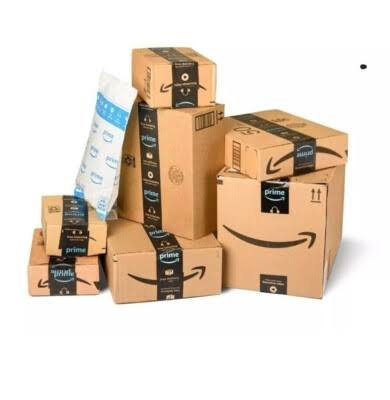
Are Amazon Return Boxes Profitable for Resellers?
If you are looking for affordable inventory to resell, Amazon Return Boxes can be an interesting opportunity. These boxes can contain customer-returned merchandise from different product categories, giving resellers the chance to acquire products at a lower cost and sell individual items through their preferred sales channels. However, the real question is not simply whether Amazon returns are cheap. The important question is whether the potential resale value is high enough to cover your purchase price, shipping, handling costs, selling fees, and unsellable items – Amazon Return Boxes.
For many resellers, Amazon Return Boxes are attractive because they provide access to a wide variety of products without requiring the purchase of each item individually at traditional wholesale or retail prices. Depending on the source and inventory, a return box may contain electronics, home goods, apparel, tools, small appliances, accessories, toys, and other consumer products. This variety can create opportunities for sellers who understand how to identify valuable products and match them with the right customers – Amazon Return Boxes.
Amazon’s own seller resources show that customer returns are a normal part of ecommerce. Returned merchandise can be assessed and, depending on its condition and the applicable program, may be placed back into inventory or handled through other recovery channels. Amazon also operates programs designed to help sellers recover value from excess and customer-returned inventory. :contentReference[oaicite:0]{index=0}
For a reseller, this creates an important secondary-market opportunity. Instead of viewing returned merchandise as unwanted products, experienced resellers can evaluate the inventory, test usable items, identify products with strong demand, and sell them individually. The difference between the total amount invested and the revenue generated from successfully resold products is where the potential profit comes from – Amazon Return Boxes.
Why Are Amazon Return Boxes Attractive to Resellers?
One of the main reasons Amazon Return Boxes attract new and experienced resellers is the possibility of acquiring inventory below typical retail prices. A box containing several products may cost considerably less than the combined retail value of those products. However, retail value should never automatically be treated as expected profit. Some products may be used, incomplete, damaged, defective, or difficult to sell – Amazon Return Boxes.
This is why successful liquidation reselling requires more than simply purchasing a box and listing everything online. You need to understand product condition, market demand, potential resale prices, shipping expenses, marketplace fees, and the amount of time required to prepare each item for sale. The more accurately you calculate these factors, the easier it becomes to determine whether a particular return box is worth buying – Amazon Return Boxes.
For example, imagine purchasing a return box for $100 and eventually selling suitable items for a combined $250. If you spend another $40 on shipping, packaging, marketplace fees, testing, and other expenses, your estimated profit would be $110. The example demonstrates why the purchase price alone does not determine profitability. Your total landed cost and actual selling revenue matter much more – Amazon Return Boxes.
Amazon Returns Can Offer Both Opportunity and Risk
It is important to approach Amazon Return Boxes with realistic expectations. A return box is not guaranteed to contain high-value products, and not every item will necessarily be ready for immediate resale. Some products may only require new packaging or basic testing, while others may require repairs or may have little resale value – Amazon Return Boxes.
This uncertainty is one of the biggest differences between return inventory and conventional wholesale merchandise. With traditional wholesale inventory, you generally know the exact products, quantities, specifications, and condition before placing an order. With assorted return inventory, the information available to the buyer can be more limited, depending on the supplier and the type of liquidation inventory being offered – Amazon Return Boxes.
That does not mean return boxes are automatically a bad investment. Instead, it means resellers need to treat each purchase as an inventory evaluation rather than a guaranteed profit opportunity. A box purchased at the right price, containing products with strong demand and reasonable resale values, can potentially produce a healthy margin. A poorly evaluated purchase can just as easily result in slow-moving inventory and unexpected expenses – Amazon Return Boxes.
Understanding the Resale Opportunity
The potential of Amazon Return Boxes comes from the ability to separate the inventory and sell products individually. A reseller may purchase one mixed box containing multiple categories and then create separate listings based on the products discovered inside – Amazon Return Boxes.
For example, one return box might contain several household products, accessories, electronics, or fashion items. Instead of selling the entire box to one customer, a reseller can research each product, determine its condition and market value, photograph it, create an accurate listing, and sell it through an appropriate channel – Amazon Return Boxes.
This approach can increase the potential value of the inventory because individual products may attract buyers who would never purchase an entire liquidation box. It also allows resellers to learn which product categories generate the fastest sales and which ones tend to remain in inventory longer – Amazon Return Boxes.
If you are new to liquidation inventory, you can also explore our liquidation products to see the types of bulk inventory available for resellers.
What Makes a Return Box Potentially Profitable?
Several factors can influence whether an Amazon Return Box becomes profitable. The purchase price is important, but it is only one part of the calculation. Product condition, original retail value, current market demand, competition, shipping costs, selling fees, repair costs, and the percentage of items you can successfully resell all have an impact on your final result – Amazon Return Boxes.
Resellers should also consider how quickly they can turn inventory into cash. A product that can be sold within a few days may be more valuable to a small business than a higher-priced product that sits unsold for several months. Cash flow matters because money tied up in slow-moving inventory cannot easily be used to purchase the next profitable batch – Amazon Return Boxes.
Amazon’s current seller resources also demonstrate that returned inventory can have recoverable value. In its FBA Liquidations information, Amazon explains that customer-returned and excess inventory can be sent through liquidation channels, with recovery values depending on the inventory and applicable fees. :contentReference[oaicite:1]{index=1} This reinforces the basic principle behind the resale market: returned merchandise can still have value after its original sale has been reversed – Amazon Return Boxes.
Ultimately, Amazon Return Boxes can be profitable for resellers, but profitability depends on making disciplined purchasing decisions. The goal should not be to find a box that looks exciting—it should be to find inventory where the potential resale revenue justifies the total cost and the work required to prepare and sell the products.
7 Ways Amazon Return Boxes Can Be Profitable for Resellers
Once you understand how Amazon Return Boxes work, the next step is understanding where the potential profit actually comes from. Buying returned inventory at a lower acquisition cost does not automatically guarantee a profit. Successful resellers create value by carefully evaluating products, identifying demand, controlling expenses, and choosing the right sales channels – Amazon Return Boxes.
Here are seven ways Amazon Return Boxes can potentially become a profitable source of resale inventory.
1. Lower Inventory Acquisition Costs
One of the biggest advantages of Amazon Return Boxes is the opportunity to acquire multiple products for less than their combined retail prices. Liquidation inventory is generally sold because the original retailer or seller needs to recover some value from merchandise that is no longer suitable for its original sales channel – Amazon Return Boxes.
For resellers, this can create an opportunity to purchase a collection of products at a discounted cost. Instead of paying retail prices for individual items, you can acquire a mixed selection of inventory and then sell suitable products separately.
However, always calculate your complete acquisition cost. Your real cost may include the box price, shipping, taxes, marketplace fees, packaging, testing, repairs, and other operating expenses. A low purchase price is useful only when the potential resale revenue is greater than the total amount invested.
2. Individual Products Can Sell for More Than the Average Box Cost
Another potential advantage of Amazon Return Boxes is that one valuable product can sometimes account for a significant portion of your original investment. If a box contains several different products, you do not necessarily need every item to generate a large margin – Amazon Return Boxes.
For example, suppose a reseller purchases a return box for $150. After inspecting the contents, they discover several products with reasonable resale demand. If just a few of the better products generate $120 in combined sales, the remaining items may provide additional revenue that pushes the overall transaction into profitability – Amazon Return Boxes.
This is why resellers should evaluate the entire inventory rather than focusing exclusively on one product. The combined resale value of multiple smaller items can become significant when they are purchased together at an appropriate cost – Amazon Return Boxes.
3. Access to Multiple Product Categories
Many Amazon Return Boxes contain assorted merchandise, which can give resellers exposure to multiple product categories. Depending on the source, inventory can include home goods, electronics, tools, apparel, accessories, beauty products, toys, kitchen products, and other consumer merchandise – Amazon Return Boxes.
This variety can be beneficial because it allows a reseller to test different markets without committing all of their money to one category. You may discover that certain products sell faster through your online store while other items perform better through local marketplaces or social media – Amazon Return Boxes.
Over time, this information can help you identify the categories that provide the best combination of demand, profit margin, and sales velocity – Amazon Return Boxes.
4. Sell Through Multiple Channels
Profitability can also improve when resellers are not dependent on a single sales channel. Products recovered from Amazon Return Boxes can potentially be sold through an online store, local marketplaces, social media, physical retail locations, flea markets, pop-up sales, or other appropriate channels – Amazon Return Boxes.
Different products may perform differently depending on where they are listed. A small household accessory might be easy to sell locally, while a brand-name product with strong online demand could attract buyers through an ecommerce marketplace – Amazon Return Boxes.
Using several appropriate channels can help you reach more potential customers and reduce the amount of time your inventory remains unsold.
5. Find Products With Strong Secondary-Market Demand
Not every returned product has the same resale potential. Some products have strong demand because customers actively search for them even when they are not sold as brand-new inventory – Amazon Return Boxes.
Resellers can research completed sales, current marketplace listings, product reviews, and customer demand before deciding how to price an item. This research is particularly important when dealing with Amazon Return Boxes because the original retail price does not necessarily represent the current resale value – Amazon Return Boxes.
A product that originally sold for $100 may have a much lower secondhand market price, while another product with a lower original price could have stronger demand and sell more quickly. Smart resellers focus on actual market behavior rather than relying solely on suggested retail prices – Amazon Return Boxes.
6. Create Bundles and Product Lots
Another strategy is to combine related products into bundles. If an Amazon Return Box contains several complementary items, creating a product bundle can make the inventory easier to sell while increasing the perceived value of the offer – Amazon Return Boxes.
For example, several related home accessories could potentially be sold as a household starter bundle. Similarly, compatible accessories can sometimes be grouped together when doing so provides a useful offer for the customer – Amazon Return Boxes.
Bundling can also help move lower-value products that may not attract enough attention when listed individually. Instead of allowing smaller items to remain in storage, resellers can create practical combinations that appeal to specific customer needs – Amazon Return Boxes.
7. Build a Repeatable Reselling Business
The long-term opportunity with Amazon Return Boxes is not necessarily one profitable purchase. The bigger opportunity is developing a repeatable sourcing and resale process.
Once you understand how to calculate your costs, inspect products, research market prices, photograph inventory, create listings, handle customers, and track your margins, you can apply the same process to future purchases.
Keeping records is especially important. Track the amount paid for each box, the number of sellable products, total sales revenue, fees, shipping expenses, repair costs, and remaining inventory. This information will show you whether your sourcing strategy is actually working.
Profitability Depends on More Than the Purchase Price
While Amazon Return Boxes can provide access to discounted inventory, profitability ultimately depends on the numbers. Before purchasing a box, estimate your potential revenue conservatively and subtract every expected expense.
Remember that some products may take longer to sell, require additional work, or have little resale value. A successful reseller therefore looks beyond the excitement of discovering potentially valuable merchandise and focuses on the overall economics of the purchase.
If you are exploring different types of liquidation inventory for your resale business, visit our liquidation inventory collection to see additional bulk sourcing opportunities.
With careful sourcing, realistic pricing, and effective inventory management, Amazon Return Boxes can become one potential component of a broader resale strategy.
How to Calculate the Profitability of Amazon Return Boxes
Understanding whether Amazon Return Boxes are profitable requires more than looking at the advertised retail value of the products inside. Resellers need to calculate their actual costs and compare them with realistic resale prices. A return box may appear to contain thousands of dollars in retail merchandise, but that does not mean you will recover the same amount when selling the products individually.
The most reliable approach is to calculate your potential revenue conservatively, account for your total expenses, and estimate how much of the inventory you can realistically sell. This allows you to make better purchasing decisions based on actual numbers rather than assumptions about the value of returned merchandise.
Start With the Total Purchase Cost
The first step when evaluating Amazon Return Boxes is determining your total acquisition cost. This is more than the advertised price of the box. If a return box costs $200 but shipping costs another $50, your initial investment is already $250.
You should also consider applicable taxes, marketplace fees, payment processing fees, packaging materials, transportation, storage, testing, cleaning, and potential repair expenses. These costs can significantly affect your final profit, especially when individual products have relatively low selling prices.
A simple formula to remember is:
Total Investment = Purchase Price + Shipping + Taxes + Preparation Costs + Other Expenses
Knowing your total investment gives you a much more accurate starting point for calculating the potential profitability of your Amazon Return Boxes.
Estimate the Realistic Resale Value
The next step is estimating how much you can realistically generate from the products inside your Amazon Return Boxes. This is where product research becomes extremely important.
Do not automatically use the original retail price as your expected selling price. A product that originally sold for $80 may only be worth $40 on the secondary market, particularly if it has been opened, used, returned, or is missing accessories.
Research similar products on the marketplaces where you intend to sell. Look at current listings and, where available, completed or sold listings. Pay attention to the product’s exact model, condition, accessories, packaging, and current customer demand.
For example, if a product has a typical resale price of $50 but you believe it will realistically sell for $40 after considering its condition, use $40 in your calculation. Conservative estimates help protect you from overestimating the potential return from your Amazon Return Boxes.
Understand Product Condition Before Calculating Profit
Product condition can have a major effect on the resale value of return inventory. Some returned products may be unused, while others may have opened packaging, visible signs of use, missing components, or functional problems. This is why inspecting the products before assigning a selling price is essential.
Amazon’s own FBA Grade and Resell program provides a useful example of how eligible customer-returned products can be evaluated. Amazon explains that eligible returns can be inspected and classified into conditions such as “Like New,” “Very Good,” “Good,” or “Acceptable” before being relisted as used products. This demonstrates why condition assessment is an important part of determining the potential resale value of returned inventory.
For independent resellers, the same basic principle applies: inspect products carefully, document their condition, test them when appropriate, and be accurate when describing them to potential buyers. A product in excellent condition may command a significantly different price from an incomplete or defective item.
Account for Unsellable and Slow-Moving Items
One of the biggest mistakes beginners make when purchasing Amazon Return Boxes is assuming that every item will be successfully resold. Return inventory can contain products that are damaged, incomplete, defective, outdated, difficult to test, or simply not in demand.
Some products may technically work but still take months to sell. Others may need replacement accessories, cleaning, repairs, or new packaging before they are ready for customers.
For this reason, it is better to create a realistic estimate of your sellable inventory percentage. If you expect that 80% of the products will be successfully resold, build your calculation around that assumption rather than assuming 100% sell-through.
This approach gives you a more realistic picture of your potential return and helps reduce the risk of purchasing inventory based on an overly optimistic projection.
Example Amazon Return Box Profit Calculation
Consider a hypothetical reseller who purchases an Amazon Return Box for $200. Shipping costs $40, while packaging, testing, and other preparation expenses total $30.
The reseller’s estimated total investment is therefore:
$200 + $40 + $30 = $270 total cost
After inspecting the box, the reseller determines that the products could realistically generate approximately $500 in total sales. However, selling fees and other transaction costs are expected to amount to $70.
The estimated profit would then be:
$500 revenue − $270 total investment − $70 selling expenses = $160 estimated profit
This example demonstrates why the advertised retail value of Amazon Return Boxes should not be the primary measure of profitability. What matters is the amount of money you can realistically recover after all expenses have been deducted.
Consider Your Time and Labor
Your time is another cost that is often overlooked when evaluating Amazon Return Boxes. Sorting, inspecting, testing, cleaning, photographing, listing, packaging, answering customer questions, and shipping orders all require time and effort.
If you spend several hours preparing a box for resale but generate only a small profit, the opportunity may not be worthwhile compared with other inventory sources. On the other hand, if you develop an efficient workflow and can process large quantities quickly, your resale operation may become more efficient and potentially more profitable over time.
Creating a standard inspection and listing process can help. Sort products into categories such as ready to sell, requires testing, requires repair, incomplete, and unsellable. This makes it easier to determine which products deserve your attention first.
Calculate Your Break-Even Point
Before purchasing Amazon Return Boxes, it can also be useful to calculate your break-even point. Your break-even point is the amount of revenue you need to generate to recover your total investment without making a profit or loss.
For example, if your total investment is $300, you need to generate at least $300 in net revenue after applicable selling expenses to recover your investment. Anything above that amount can contribute toward your profit, provided there are no additional costs that have not been included in the calculation.
Knowing your break-even point can help you make better decisions about product pricing and inventory management. It can also prevent you from spending too much money on a return box simply because the potential retail value looks attractive.
Use Conservative Numbers Before You Buy
The safest way to evaluate Amazon Return Boxes is to use realistic rather than optimistic assumptions. If you believe an item could sell for $60, but comparable products are actually selling between $40 and $50, using $45 as your estimated selling price may provide a more reliable projection.
You should also account for products that may remain unsold. A conservative calculation gives you a better idea of whether the purchase still makes sense if some products perform below expectations.
It is also useful to compare your expected profit with the amount of capital you are putting at risk. A purchase that potentially produces a small margin after significant labor may not be as attractive as inventory that can be processed and sold more efficiently.
Compare Different Liquidation Inventory Opportunities
Not every liquidation opportunity will have the same risk, product mix, or potential resale value. Comparing different types of inventory can help you determine which products best fit your business model, budget, storage capacity, and customer base.
If you are looking for additional bulk inventory opportunities for your resale business, explore our liquidation inventory collection to see other products available for resellers and retailers.
Profitability Is About the Numbers
Amazon Return Boxes can provide attractive resale opportunities, but the most successful approach is to treat every purchase as a business investment. Calculate your complete cost, research realistic selling prices, inspect product condition, allow for unsellable inventory, consider your time, and determine your break-even point before committing your money.
The goal is not simply to find a box with a high estimated retail value. The goal is to purchase inventory at a price that leaves enough room for operating expenses and a reasonable profit margin after the products are actually sold.
By combining careful sourcing with accurate product evaluation and disciplined inventory management, resellers can make more informed decisions about whether a particular Amazon Return Box is worth the investment.
How to Choose the Best Amazon Return Boxes for Resale
Choosing the right Amazon Return Boxes is one of the most important decisions a reseller can make. Even if a return box is offered at a low price, it may not be a good investment if the products have limited demand, significant damage, missing components, or high preparation costs. The goal is to find inventory where the potential resale value justifies the purchase price and the work required to process the products.
Before purchasing Amazon Return Boxes, take time to evaluate the inventory information, product categories, condition, quantity, shipping costs, and expected resale demand. A careful evaluation can help you avoid unnecessary losses and improve your chances of building a sustainable resale business.
1. Research the Seller or Liquidation Source
Start by researching the company or liquidation source offering the Amazon Return Boxes. Look for clear information about the inventory, product condition, shipping arrangements, return policies, and purchasing terms.
A reputable source should provide enough information for you to understand what you are purchasing. Be cautious when a seller makes unrealistic profit promises or provides very little information about the merchandise. Transparency is particularly important when buying assorted or liquidation inventory because the exact condition and product mix can vary.
Before placing a large order, consider starting with a smaller purchase if possible. This gives you an opportunity to evaluate the quality of the inventory and the accuracy of the seller’s descriptions before committing more capital.
2. Understand the Condition of the Inventory
Product condition is one of the most important factors when evaluating Amazon Return Boxes. Returned products can vary significantly in condition. Some may be unused, while others may have opened packaging, cosmetic imperfections, missing accessories, or functional issues.
Do not assume that a customer return automatically means the product is defective. At the same time, do not assume that every returned product is ready for resale. Each item should be evaluated according to the information available from the supplier and, where possible, inspected and tested after purchase.
Understanding the condition of the inventory helps you estimate potential refurbishment costs and determine realistic selling prices.
3. Look at the Product Categories
The product categories included in Amazon Return Boxes can have a major effect on your resale strategy. Some categories may be easier to sell than others depending on your experience, target customers, storage space, and preferred sales channels.
For example, a reseller who specializes in electronics may have the knowledge and equipment necessary to test returned electronics efficiently. Another seller may have better results with household products, apparel, tools, toys, or general merchandise.
Choosing inventory that matches your existing knowledge can reduce the time required to inspect products and create accurate listings. It can also help you identify valuable items that an inexperienced reseller might overlook.
4. Calculate Shipping Before Buying
Shipping is another important factor when evaluating Amazon Return Boxes. A box may appear inexpensive until you add the cost of getting the inventory to your location.
Always determine whether shipping is included in the advertised price or calculated separately. If you are purchasing multiple boxes, ask whether shipping is charged per box or based on the combined shipment. These details can significantly change your total acquisition cost.
For example, a $150 return box with $75 shipping has a real acquisition cost of $225 before taxes and other expenses. If the potential resale revenue is not high enough, the purchase may not provide the margin you expected.
5. Research Resale Demand Before Purchasing
Strong resale demand is just as important as a low purchase price. An inexpensive product is not necessarily profitable if customers are not actively looking for it.
Before purchasing Amazon Return Boxes, research the types of products likely to be included and determine whether there is an established secondary market for them. Search for comparable products, review current listings, examine recent sales data where available, and compare prices across different marketplaces.
Pay particular attention to products that have consistent demand rather than relying entirely on products with unusually high advertised retail values. Consistent demand can help reduce the amount of time inventory remains unsold.
6. Avoid Focusing Only on Retail Value
One of the most common mistakes when buying Amazon Return Boxes is focusing too heavily on the estimated retail value. A box advertised as containing $1,000 worth of retail merchandise does not necessarily mean that you can generate $1,000 in sales.
Retail value, resale value, and profit are three different measurements. Retail value represents the original or suggested selling price. Resale value represents what customers are realistically willing to pay in the current market. Profit is what remains after subtracting your complete business costs from your actual revenue.
For this reason, calculate your expected resale revenue using conservative market prices rather than the highest possible listing prices.
7. Check for Missing Accessories and Components
Returned products may sometimes be missing original packaging, manuals, cables, chargers, accessories, or other components. These missing items can affect both functionality and resale value.
When inspecting Amazon Return Boxes, separate products that are complete from those requiring additional components. You may be able to purchase inexpensive replacement accessories for certain products, but those costs should be included in your profitability calculation.
For more expensive products, missing components can have a much greater impact on resale value. Always consider the cost of making an incomplete product ready for sale before deciding what it is worth.
8. Consider Your Storage Capacity
Another factor that is often overlooked by new resellers is storage. A large quantity of Amazon Return Boxes can quickly turn into hundreds of individual products that need to be sorted, tested, photographed, listed, packaged, and stored.
Make sure you have enough space to keep inventory organized and protected. Poor storage can result in damaged products, misplaced items, and slower order fulfillment.
Organizing products by category, condition, listing status, and sales channel can make inventory management significantly easier as your business grows.
9. Start Small and Track Your Results
If you are new to Amazon Return Boxes, it is usually better to learn with a manageable investment rather than immediately purchasing a large quantity of inventory. Your first few purchases can provide valuable information about product condition, sell-through rates, average selling prices, and operating expenses.
Keep detailed records for every purchase. Track your acquisition cost, shipping expenses, number of sellable products, total revenue, selling fees, repair costs, and unsold inventory. Over time, these records can reveal which types of return inventory are producing the strongest results for your business.
10. Compare Your Options Before Making a Purchase
There is no single type of liquidation inventory that is right for every reseller. Your ideal inventory depends on your budget, experience, storage capacity, customers, and preferred sales channels.
Before buying Amazon Return Boxes, compare the opportunity with other available liquidation products. Consider the potential resale value, condition, quantity, shipping costs, and amount of work required to prepare the inventory.
You can also explore our liquidation inventory collection to compare other bulk inventory opportunities that may fit your resale business.
Do Your Research Before Buying Amazon Return Boxes
The best Amazon Return Boxes are not necessarily the cheapest boxes. They are the boxes where the purchase price, inventory quality, resale demand, and operating costs create a reasonable business opportunity.
Take time to research the source, understand product condition, calculate shipping, investigate resale demand, and estimate your complete costs before purchasing. A disciplined approach can help you avoid common liquidation mistakes and make better decisions as your resale business develops.
For additional information about how Amazon handles customer returns and inventory recovery, you can also review Amazon’s official FBA Grade and Resell information.
Remember: the goal is not simply to buy cheap inventory. The goal is to buy inventory that you can realistically sell for more than your total investment.
Tips for Reselling Amazon Return Boxes Successfully
Buying Amazon Return Boxes is only the beginning of the resale process. Your ability to turn returned inventory into profit depends on what you do after the purchase. Proper inspection, accurate pricing, effective product listings, smart inventory management, and choosing the right sales channels can all make a significant difference in your results.
Whether you are a beginner buying your first return box or an experienced reseller looking to improve your process, the following strategies can help you manage your inventory more effectively and increase your chances of generating a return on your investment.
Inspect Every Product Before Listing It
One of the most important steps after receiving Amazon Return Boxes is inspecting the contents carefully. Do not immediately assume that every item is ready to sell. Open the packaging, check for visible damage, verify that important components are included, and test products when appropriate.
Create separate groups for products that are ready to list, products that require cleaning or minor preparation, products that need additional testing, incomplete products, and items that are not suitable for resale. This simple sorting process can make the rest of your workflow much easier.
Accurate inspection also protects your reputation. If you sell an item without checking it and the customer discovers a problem after purchase, you may have to deal with returns, refunds, negative feedback, and additional shipping expenses.
Research Each Product Before Setting a Price
Do not price products from Amazon Return Boxes based solely on their original retail price. The current market determines what customers are actually willing to pay.
Research comparable listings and, where available, recent sold prices. Consider the product’s brand, model, condition, completeness, demand, and competition. If several sellers are offering the same product at lower prices, you may need to price competitively to generate a sale.
It is also important to leave room for negotiation when selling through certain local or social marketplaces. Setting a realistic initial price can give you some flexibility without eliminating your potential margin.
Create Accurate Product Listings
A strong product listing can make a significant difference when selling Amazon Return Boxes inventory. Use clear titles, detailed descriptions, accurate specifications, and high-quality photographs.
Always disclose relevant condition information. If a product has cosmetic marks, opened packaging, missing accessories, or other issues, explain them clearly. Honest descriptions can help customers make informed purchasing decisions and reduce unnecessary returns.
When possible, include multiple photographs showing the actual product rather than relying only on manufacturer images. Customers generally want to see exactly what they are buying, especially when purchasing returned or used merchandise.
Choose the Right Sales Channels
Not every product from your Amazon Return Boxes needs to be sold through the same platform. Consider where your target customers are most likely to shop and which channels offer the best balance between reach, fees, convenience, and selling speed.
You might sell products through your own ecommerce website, local marketplaces, social media, physical stores, flea markets, or other suitable platforms. Testing multiple channels can help you identify where different product categories perform best.
For example, bulky household products may be easier to sell locally because customers can collect them without expensive shipping. Smaller and more valuable products may be better suited to online sales where you can reach a larger customer base.
Keep Your Inventory Organized
Organization becomes increasingly important as your resale business grows. After processing Amazon Return Boxes, assign products to clearly labeled categories or storage locations.
You can organize inventory by product category, condition, listing status, purchase batch, or sales channel. Keeping accurate records allows you to find products quickly when they sell and prevents inventory from becoming lost or forgotten.
A simple spreadsheet or inventory management system can record the purchase cost, estimated selling price, actual sale price, fees, shipping expenses, and profit for each item. These records can also help you identify which categories provide the best returns.
Know When to Lower Your Price
Holding onto inventory indefinitely can tie up valuable capital. If an item from your Amazon Return Boxes has been listed for a long time without generating serious interest, consider reviewing the price.
A slightly lower selling price may allow you to recover your investment and move the product more quickly. In some situations, accepting a smaller margin can be better than keeping an item in storage for months.
You can also use discounts, bundles, seasonal promotions, or clearance sales to move slow inventory. The objective is to maintain healthy cash flow while maximizing the overall return from your inventory.
Bundle Related Products
Some returned products may have limited demand when sold individually but become more attractive when combined with complementary items. Creating bundles can be a useful strategy for increasing the value of certain Amazon Return Boxes inventory.
For example, compatible accessories can be packaged together, while related household items can potentially be combined into a convenient product set. Bundling can also help move lower-value items that might not justify the time required to create individual listings.
Track Your Actual Profit
One of the most important habits for anyone reselling Amazon Return Boxes is tracking actual profit rather than estimated profit.
Record the original purchase price, shipping, taxes, marketplace fees, payment processing charges, packaging costs, repair expenses, refunds, and other relevant costs. Then compare the total with your actual sales revenue.
For example:
Actual Profit = Total Sales Revenue − Total Inventory and Operating Costs
This calculation provides a much clearer picture of whether your sourcing strategy is working. A box that appears profitable based on estimated retail value may produce a much smaller margin after all expenses are included.
Reinvest Carefully as Your Business Grows
If you begin generating consistent profits from Amazon Return Boxes, avoid immediately putting all of your earnings into larger purchases. Instead, consider reinvesting gradually while maintaining enough working capital to cover operating expenses.
As your experience grows, you can identify which product categories, inventory conditions, and sourcing opportunities work best for your business. This information can help you make more selective purchasing decisions and reduce unnecessary risk.
For resellers who want to explore additional bulk sourcing opportunities, visit our liquidation inventory collection to browse other types of liquidation merchandise.
Stay Informed About Amazon Returns
The liquidation and ecommerce markets continue to change, so staying informed can help resellers make better sourcing decisions. Amazon provides information about its handling of returned merchandise and its programs for recovering value from eligible inventory.
You can review Amazon’s official FBA Grade and Resell information to better understand how eligible returned products may be evaluated and offered for resale through Amazon’s programs.
Final Tips for Amazon Return Box Resellers
- Inspect before listing: Test and evaluate products whenever possible.
- Price based on the market: Research realistic resale prices instead of relying on original retail values.
- Be transparent: Clearly disclose product condition and missing components.
- Use multiple sales channels: Match products with platforms where your target customers shop.
- Track every expense: Include shipping, fees, repairs, packaging, and other costs when calculating profit.
- Manage slow inventory: Use discounts, bundles, or price adjustments when necessary.
- Reinvest strategically: Scale your purchases gradually as you learn what works.
Are Amazon Return Boxes Worth It?
Amazon Return Boxes can offer resellers access to a wide range of inventory at potentially discounted acquisition prices, but success depends on how well the inventory is evaluated and managed. There is no guarantee that every box will be profitable, and every purchase carries some level of risk.
The most effective approach is to treat return inventory as a business investment. Research before buying, calculate your complete costs, inspect products carefully, price them according to current demand, and track your actual results. With a disciplined process, you can determine which types of returned inventory make sense for your business and build a resale strategy around products that consistently perform well.
Ultimately, profitability comes from buying wisely, selling strategically, and managing your inventory carefully—not simply from finding the cheapest return box.