
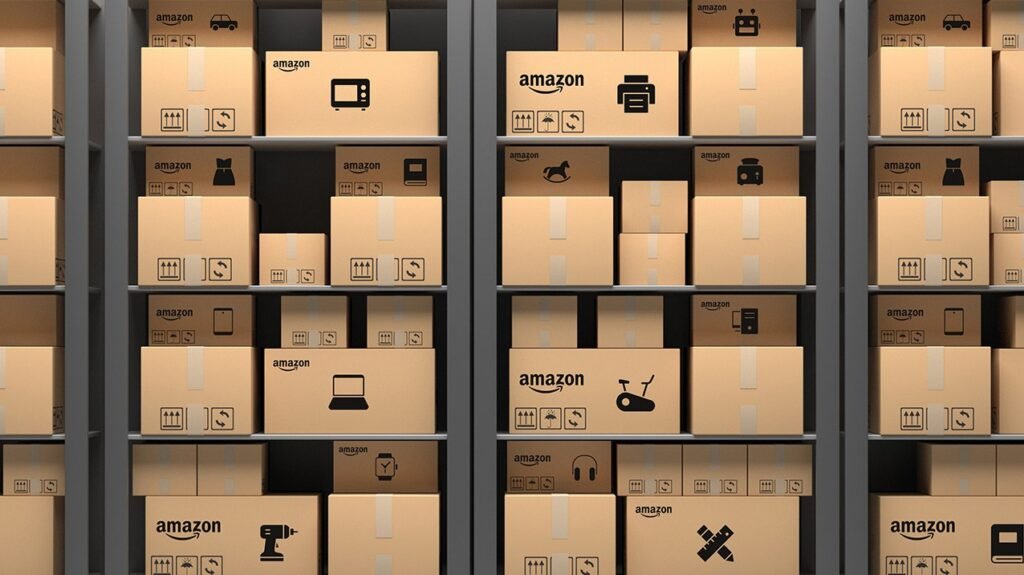
What Products in Amazon Mystery Boxes Can You Find?
Products in Amazon Mystery Boxes can vary considerably from one box or liquidation lot to another. Depending on how the inventory was sourced, a mystery box may contain electronics, clothing, home and kitchen products, toys, beauty items, accessories, tools, and many other types of merchandise. This variety is one of the main reasons mystery boxes have become interesting to shoppers, bargain hunters, and resellers – Products in Amazon Mystery Boxes.
Unlike a conventional product purchase where you know exactly what you are ordering, a mystery box typically contains an assortment of items that may not be fully revealed before purchase. For resellers, this creates an opportunity to discover products that can potentially be tested, sorted, listed, and sold individually – Products in Amazon Mystery Boxes.
Understanding Amazon Mystery Boxes
Before discussing the products in Amazon mystery boxes, it is important to understand what the term actually means. The phrase “Amazon mystery box” can refer to different types of merchandise depending on the seller and the source of the inventory. Some boxes are assembled by independent liquidation businesses, while larger liquidation lots may consist of customer returns, overstock, or other excess inventory – Products in Amazon Mystery Boxes.
Amazon explains that returned merchandise can go through inspection and may ultimately be resold, liquidated, donated, or recycled depending on its condition and other factors. Some returned products that do not qualify to be sold again through Amazon’s regular retail channels can therefore enter secondary markets. You can read more about the process in Amazon’s official explanation of what happens to Amazon returns.
This is important because buyers should not automatically assume that every mystery box contains brand-new merchandise. Depending on the source, products may be new, open-box, overstock, customer returns, shelf pulls, or merchandise with damaged packaging. The exact condition should always be confirmed with the supplier before purchasing – Products in Amazon Mystery Boxes.
Why Are Amazon Mystery Boxes Popular?
The appeal of products in Amazon mystery boxes comes largely from the combination of variety and uncertainty. Instead of purchasing one specific product, buyers receive an assortment that can contain several different categories. For resellers, this can provide an opportunity to discover products they might not have considered sourcing individually – Products in Amazon Mystery Boxes.
A mystery box can also be useful for businesses that want to experiment with different product categories. For example, a reseller may discover that electronics sell particularly well to their audience, while another seller may find that clothing, home accessories, or beauty products generate stronger demand – Products in Amazon Mystery Boxes.
There is also an element of discovery involved. Opening a mystery box can reveal products that were not expected, which is part of the appeal for both individual buyers and content creators who document unboxing experiences online – Products in Amazon Mystery Boxes.
What Types of Products Can Be Inside?
The products in Amazon mystery boxes can come from numerous retail categories. There is no universal list that applies to every box because the contents depend on the inventory source, liquidation category, seller, lot composition, and condition of the merchandise – Products in Amazon Mystery Boxes.
Some common categories may include:
- Consumer electronics and accessories
- Home and kitchen products
- Clothing and fashion accessories
- Toys and games
- Beauty and personal-care products
- Tools and hardware
- Office and school supplies
- Pet accessories
- Sports and fitness products
- General merchandise and miscellaneous items
Amazon’s own liquidation marketplace also lists inventory categories such as home goods, apparel and footwear, media, consumer electronics, groceries, and other merchandise. This demonstrates how broad liquidation inventory can be rather than being limited to one particular type of product.
Are Products in Amazon Mystery Boxes Always New?
No. One of the most important things to understand about products in Amazon mystery boxes is that their condition can vary. A box may contain new merchandise, but other inventory can include customer returns, open-box products, overstock, or products with damaged packaging.
For example, Amazon states that returned merchandise is inspected and evaluated before a decision is made about whether it can be resold, liquidated, donated, or otherwise processed. This means the condition of liquidation inventory can differ from the condition of products purchased directly as new retail merchandise – Products in Amazon Mystery Boxes.
For this reason, buyers should carefully review the seller’s product description and inventory conditions. If the listing does not specify whether the products are new, used, open-box, or customer returns, it is worth asking the seller for clarification before placing an order.
Why Mystery Boxes Can Be Interesting for Resellers
For a reseller, the variety of products in Amazon mystery boxes can create several potential selling opportunities. Rather than selling the entire box as one item, a reseller can sort the contents into individual products or categories and determine the best way to market each item – Products in Amazon Mystery Boxes.
For example, electronics may be listed separately on an ecommerce marketplace, while clothing can be photographed and organized according to size and style. Smaller accessories may also be combined into bundles where appropriate – Products in Amazon Mystery Boxes.
However, successful resale requires more than simply opening a box and listing everything immediately. Products should be inspected, tested where necessary, cleaned when appropriate, and accurately described before being offered to customers – Products in Amazon Mystery Boxes.
If you are interested in expanding your inventory with other liquidation merchandise, you can also explore our liquidation inventory and bulk products for additional resale opportunities.
What Should Buyers Expect?
Anyone considering a mystery box should approach the purchase with realistic expectations. The word “mystery” means that there may be uncertainty regarding the exact products received. Even when a supplier provides a general category, the individual items may differ considerably – Products in Amazon Mystery Boxes.
For example, an electronics-focused box could contain several types of accessories rather than high-value electronic devices. A clothing assortment could contain different sizes, styles, and seasonal pieces. A home-goods box could include a mixture of kitchen accessories, storage products, décor, or household tools – Products in Amazon Mystery Boxes.
That uncertainty is part of the nature of liquidation and mystery-box inventory. The goal should not be to assume that every box contains expensive products, but rather to evaluate the purchase based on the information the supplier provides and the potential resale opportunities – Products in Amazon Mystery Boxes.
Final Thoughts on Products in Amazon Mystery Boxes
The variety of products in Amazon mystery boxes is what makes this type of inventory appealing to many buyers. From electronics and apparel to home goods, toys, beauty products, tools, and accessories, the possible assortment can be broad – Products in Amazon Mystery Boxes.
At the same time, buyers should remember that mystery-box contents and conditions can vary. Understanding where the inventory comes from, reviewing the seller’s description, checking the stated condition, and considering potential resale costs are all important steps before making a purchase – Products in Amazon Mystery Boxes.
10 Popular Products in Amazon Mystery Boxes
One of the biggest attractions of Products in Amazon Mystery Boxes is the variety that can potentially be found inside. Because liquidation and customer-return inventory can come from many different retail categories, a single mystery box may contain several types of merchandise. For resellers, understanding the most common categories can make it easier to evaluate inventory and decide which products may be suitable for individual resale, bundles, or other sales strategies – Products in Amazon Mystery Boxes.
However, there is no guaranteed list of products that will appear in every box. The contents depend on the source, seller, inventory lot, product category, and condition of the merchandise. With that in mind, here are some of the product categories buyers may encounter – Products in Amazon Mystery Boxes.
1. Electronics and Electronic Accessories
Electronics are among the categories that can make Products in Amazon Mystery Boxes particularly interesting to resellers. Depending on the inventory source, boxes may contain items such as headphones, charging accessories, computer accessories, cables, adapters, speakers, keyboards, small electronic devices, and other technology-related merchandise – Products in Amazon Mystery Boxes.
Electronic products can be attractive for resale because many accessories have practical everyday uses. However, buyers should pay close attention to condition. Returned electronics may have been opened or used, and some products may require testing before they can be confidently listed for sale.
Before reselling an electronic item, check whether it powers on, whether the necessary accessories are included, and whether there are visible signs of damage. If a product contains batteries, inspect it carefully and follow appropriate safety procedures.
2. Home and Kitchen Products
Another potentially common category among Products in Amazon Mystery Boxes is home and kitchen merchandise. This category can include storage solutions, kitchen accessories, organizers, utensils, decorative items, small appliances, household accessories, and other products designed for everyday use.
Home products can provide interesting resale opportunities because they appeal to a broad audience. A reseller might separate items into individual listings or create themed bundles based on their intended use.
For example, several kitchen accessories could potentially be grouped together as a kitchen starter bundle, while storage and organization products could be marketed toward customers interested in improving their home organization.
3. Clothing and Fashion Accessories
Clothing can also appear in assorted liquidation inventory. Potential Products in Amazon Mystery Boxes in this category may include shirts, dresses, jackets, trousers, children’s apparel, hats, bags, belts, scarves, and other fashion accessories.
Clothing requires careful sorting because sizes, colors, styles, seasons, and materials can vary significantly. Resellers should inspect garments for stains, tears, missing tags, damaged zippers, or other issues before listing them.
Good photography and accurate sizing information are particularly important when selling clothing online. A detailed product description can help customers understand exactly what they are purchasing.
4. Toys and Games
Toys, games, puzzles, craft kits, and children’s activity products can also be found in some assorted inventory. These items can attract families, collectors, and gift shoppers, making them another potentially useful category for resellers.
However, children’s products require additional attention to safety. Before selling a toy or children’s product, inspect the packaging and product carefully and check relevant recall information.
The U.S. Consumer Product Safety Commission recall database provides current product recall and safety-warning information. This is a useful resource for sellers who want to check whether a product has been subject to a safety recall. :contentReference[oaicite:0]{index=0}
Resellers should never knowingly sell a product that has been recalled when the recall notice instructs consumers not to sell or distribute it. Safety should always come before resale value.
5. Beauty and Personal Care Products
Beauty and personal-care merchandise is another category that may appear in Products in Amazon Mystery Boxes. Potential items can include cosmetic accessories, grooming tools, hair accessories, skincare accessories, personal-care devices, and other related merchandise.
Condition is especially important with beauty and personal-care products. Resellers should check packaging, seals, expiration information where applicable, and the overall condition of each product before listing it.
Products that have been opened, damaged, contaminated, or otherwise compromised should not automatically be treated as resale-ready. Always follow applicable product-safety and labeling requirements for the market where you intend to sell.
6. Tools and Hardware
Tools and hardware can be another interesting category for resellers. Depending on the assortment, a mystery box could contain hand tools, measuring accessories, hardware organizers, small workshop accessories, home-improvement products, or related items.
Tools can appeal to homeowners, DIY enthusiasts, contractors, hobbyists, and other customers. Before listing them, inspect handles, moving parts, electrical components, blades where applicable, and other functional elements for visible damage.
For powered tools or equipment, testing should be performed safely and according to the manufacturer’s instructions. If an item cannot be tested, the listing should accurately state that fact rather than implying that it has been fully tested.
7. Office and School Supplies
Office and school merchandise can also form part of an assorted inventory. Possible products include notebooks, organizers, desk accessories, stationery, storage products, computer accessories, calculators, and other supplies.
These products can be particularly useful for sellers targeting students, teachers, home-office users, and small businesses. Some items can also be combined into themed bundles, such as study kits, desk organization sets, or office starter packages.
Because these products are often relatively easy to sort and photograph, they can be convenient additions to a reseller’s inventory.
8. Pet Products and Accessories
Pet-related merchandise represents another possible category among Products in Amazon Mystery Boxes. Depending on the assortment, buyers may encounter pet toys, grooming accessories, feeding accessories, collars, leashes, beds, storage products, or other pet-related merchandise.
Pet products can appeal to a large customer audience because pet owners regularly purchase accessories and supplies for their animals. However, sellers should inspect these products carefully, particularly items that come into direct contact with animals.
Products that are damaged, contaminated, or otherwise unsuitable for use should not be presented as new or ready for use.
9. Sports and Fitness Products
Sports and fitness merchandise can include a wide range of products, from exercise accessories and training equipment to sports bags, protective accessories, fitness tools, and recreational products.
These Products in Amazon Mystery Boxes may appeal to customers interested in home workouts, outdoor activities, recreational sports, or general fitness. Resellers can organize these items by activity or intended use to make their inventory easier for customers to browse.
As with other categories, inspect each item carefully before resale. Products designed for physical activity should be checked for damage or defects that could affect safe use.
10. General Merchandise and Unexpected Finds
Perhaps the most exciting category is general merchandise. This is where buyers may discover products that do not fit neatly into one specific category. An assortment can include accessories, décor, gadgets, organizers, seasonal merchandise, hobby products, travel accessories, and many other items.
This variety is one reason Products in Amazon Mystery Boxes can be appealing to experienced resellers. An unexpected product may turn out to have a useful market, even if it was not the type of merchandise the buyer originally planned to source.
At the same time, unexpected inventory requires flexibility. Instead of assuming that every product will have the same resale value, evaluate each item individually and determine whether it should be sold separately, bundled with similar products, used for promotion, or excluded from resale because of its condition.
How to Sort Products in Amazon Mystery Boxes
Once a mystery box arrives, avoid immediately listing everything for sale. Start by creating separate groups based on product category and condition. For example, electronics can be placed together, clothing can be sorted by size and type, and home products can be organized according to their intended use.
Next, inspect each product for damage, missing components, opened packaging, or other issues. Products that require testing should be tested before being advertised as functional.
Finally, record useful information such as product name, brand where verified, model number, condition, accessories included, and potential selling price. This organized approach can make it much easier to manage the inventory and determine which items deserve the most attention.
Final Thoughts on Mystery Box Product Variety
The wide range of possible Products in Amazon Mystery Boxes is what makes this type of inventory appealing to many resellers. Electronics, home goods, clothing, toys, beauty products, tools, office supplies, pet accessories, sports products, and general merchandise can all represent potential categories depending on the specific inventory source.
The key is to remember that mystery-box contents are not guaranteed. Treat every assortment as an opportunity to inspect, evaluate, and organize inventory rather than assuming that every box will contain high-value merchandise.
Are Products in Amazon Mystery Boxes Worth Buying?
After learning about the different types of Products in Amazon Mystery Boxes, the next question for many resellers is whether purchasing this type of inventory is actually worthwhile. The answer depends on several factors, including the purchase cost, product condition, expected resale value, demand, shipping expenses, and the amount of time required to prepare the merchandise for sale.
Amazon mystery boxes can provide access to assorted merchandise without requiring a reseller to source every product individually. However, the word “mystery” also means that there is an element of uncertainty. A successful reseller should therefore evaluate the potential opportunity carefully instead of assuming that every box will automatically generate a profit.
What Makes Products in Amazon Mystery Boxes Potentially Profitable?
One of the biggest advantages of Products in Amazon Mystery Boxes is the possibility of receiving a variety of merchandise in one purchase. Instead of spending time searching for individual products, a reseller may receive an assortment that can be sorted into different categories and sales channels.
For example, a box containing several categories could allow a reseller to test different markets. Electronics might be suitable for one marketplace, clothing could be listed through another sales channel, while home accessories could be offered through a local store or social-commerce platform.
This variety can also help resellers discover new product categories. A seller who normally specializes in apparel might discover that certain home products or accessories perform well with their existing customer base.
However, potential profitability should always be calculated after considering the complete cost of acquiring and preparing the inventory.
Consider the Total Cost Before Buying
The purchase price is only one part of the investment. When evaluating Products in Amazon Mystery Boxes, resellers should consider additional expenses that may affect their final profit margin.
- Cost of purchasing the mystery box or liquidation lot
- Shipping or freight expenses
- Marketplace or payment-processing fees
- Packaging materials
- Storage costs
- Cleaning and preparation
- Testing and minor repairs
- Advertising and promotional expenses
- Time required to photograph and list products
- Potential losses from unsellable merchandise
For example, receiving a large number of products at a seemingly attractive purchase price does not necessarily mean that the investment will be profitable. If many items require extensive testing, repairs, or additional accessories, the real cost of preparing the inventory for resale can increase substantially.
Product Condition Can Affect Resale Value
Condition is one of the most important considerations when purchasing Products in Amazon Mystery Boxes. A new, unopened product may have a very different resale value from an item that has been opened, used, damaged, or returned without all of its original accessories.
Resellers should avoid describing merchandise as “new” unless its condition can genuinely support that description. Accurate condition information helps protect the seller’s reputation and reduces the possibility of customer disputes.
When possible, separate inventory into categories such as new, open box, used, damaged, incomplete, and untested. This makes it easier to determine which products are ready for immediate listing and which ones require additional work.
Not Every Product Will Have the Same Resale Value
Another important consideration is that the value of individual Products in Amazon Mystery Boxes can vary significantly. One box may contain several products with strong demand and other products that are harder to sell.
This is why experienced resellers generally evaluate the entire assortment rather than focusing on one potentially valuable item. A single high-value product does not necessarily compensate for a large number of low-demand or unsellable products.
Before purchasing a mystery box, consider the likely demand for the product categories involved. Products that solve common problems, have recognizable brands, or serve popular everyday needs may have a larger potential customer base than highly specialized items.
Research the Market Before Listing
Market research can help determine whether Products in Amazon Mystery Boxes have realistic resale potential. Before setting a selling price, research comparable products and examine what similar items are actually selling for rather than relying solely on the highest advertised price.
When researching a product, look at factors such as condition, model, brand, included accessories, current demand, and competing listings. A product may have a high original retail price but a much lower resale value if the market is saturated.
Resellers should also remember that marketplace fees and shipping costs can reduce the amount they ultimately receive from a sale. A product that appears profitable at first glance may have a much smaller margin after all expenses are deducted.
How to Reduce the Risk of Buying Mystery Boxes
Although uncertainty cannot be completely eliminated, buyers can take several steps to reduce unnecessary risk when sourcing Products in Amazon Mystery Boxes.
- Research the seller: Look for clear information about the inventory source, product condition, and purchasing terms.
- Understand the inventory description: Determine whether the box contains new products, customer returns, overstock, shelf pulls, or mixed-condition merchandise.
- Ask questions: If important details are unclear, contact the seller before placing the order.
- Calculate your costs: Include shipping, storage, marketplace fees, packaging, and other expenses.
- Have a resale plan: Know which platforms or sales channels you intend to use before purchasing large quantities.
- Start at a manageable level: New resellers may want to test a smaller assortment before committing to a larger inventory purchase.
Why Product Research Matters for Resellers
Product research becomes particularly important when dealing with assorted inventory because the reseller may not know which products will make up the majority of the box. Researching broad categories before purchasing can help establish realistic expectations.
For instance, if you are considering a box that may contain electronics, research common electronic accessories and their typical resale demand. If apparel is involved, investigate current styles, sizes, brands, and seasonal demand.
Resellers can also use tools such as Google Trends to understand how interest in particular search terms changes over time. The Google Trends platform can be useful for researching consumer search interest and comparing product-related topics.
When Amazon Mystery Boxes May Not Be the Right Choice
Although Products in Amazon Mystery Boxes can offer opportunities, mystery boxes are not suitable for every reseller. Someone who requires a predictable inventory assortment may prefer buying specific products in known quantities instead.
Mystery boxes may also be less suitable for businesses without enough storage space, testing equipment, photography resources, or time to process assorted merchandise.
If your business depends on consistently stocking one specific product category, purchasing a clearly defined wholesale or liquidation lot may provide greater predictability than buying an unknown assortment.
How to Decide Whether a Mystery Box Is Worth It
The best way to evaluate a mystery box is to consider the potential value of the entire assortment rather than focusing on individual products. Ask yourself whether the expected resale revenue could reasonably cover the purchase price and all associated expenses.
A simple calculation can help:
Estimated Profit = Total Resale Revenue − Total Inventory and Selling Costs
Your total costs should include the purchase price, shipping, marketplace fees, packaging, repairs, storage, and any other expenses required to turn the inventory into sellable products.
It is also useful to account for unsellable or slow-moving merchandise. Not every product will necessarily sell quickly, so your calculation should leave room for products that require additional time or eventually need to be discounted.
Final Thoughts on Buying Amazon Mystery Boxes
Products in Amazon Mystery Boxes can potentially provide resellers with a diverse inventory source, but profitability is never guaranteed. The opportunity depends on the quality and condition of the merchandise, the purchase terms, market demand, operating costs, and the reseller’s ability to process and sell the products effectively.
The smartest approach is to treat mystery-box sourcing as an inventory strategy rather than a guaranteed shortcut to profit. Research the seller, understand the condition of the merchandise, calculate your complete costs, and develop a resale plan before making a purchase.
How to Resell Products in Amazon Mystery Boxes
Once you have sorted and evaluated the Products in Amazon Mystery Boxes, the next step is turning that inventory into a practical resale strategy. Receiving assorted merchandise is only the beginning. Successful reselling requires careful inspection, accurate product information, attractive presentation, competitive pricing, and choosing the right sales channel for each item.
Because mystery-box inventory can contain different categories and conditions, you should avoid using the same selling strategy for every product. Instead, separate your inventory according to category, condition, potential demand, and expected selling price. This allows you to focus more attention on products that have stronger resale potential while handling lower-value merchandise efficiently.
1. Inspect Products Before Listing Them
The first step when processing Products in Amazon Mystery Boxes is a thorough inspection. Do not immediately photograph and list everything as soon as the box arrives. Open the packaging carefully and examine each product for visible damage, missing components, stains, scratches, broken parts, or other issues.
Electronics should be tested where it is safe and practical to do so. Clothing should be checked for stains, tears, damaged zippers, and other defects. Household products should be inspected for missing pieces, while toys and other children’s products should be checked carefully for damage and relevant safety concerns.
Separating products by condition at this stage will make the rest of the resale process considerably easier.
2. Sort Products in Amazon Mystery Boxes Into Categories
After inspection, organize the Products in Amazon Mystery Boxes into logical categories. You could create separate groups for electronics, clothing, home goods, toys, beauty products, tools, accessories, office supplies, and miscellaneous merchandise.
Sorting your inventory has several advantages. It makes products easier to locate when customers place orders, simplifies photography and listing, and helps you identify which categories make up most of your inventory.
You can also create a spreadsheet containing information such as product name, category, condition, quantity, model number, purchase cost, estimated selling price, listing platform, and sale status. Good inventory records become increasingly important as your business grows.
3. Research Each Product Before Setting a Price
Pricing is one of the most important decisions when reselling Products in Amazon Mystery Boxes. Avoid choosing a price simply because an item originally had a high retail price. The current resale market is more important than the original retail price.
Research comparable products and consider their condition, brand, model, included accessories, and current demand. Compare similar listings across the marketplaces where you intend to sell.
Also remember to account for selling fees, payment-processing charges, packaging, shipping, and potential returns. Your selling price should leave enough margin after these expenses are deducted.
4. Take High-Quality Product Photos
Good photography can make a significant difference when selling assorted inventory online. Customers cannot physically inspect your merchandise before purchasing, so clear photographs help them understand what they are buying.
Take photographs from multiple angles and make sure the product is properly illuminated. Photograph important details such as labels, model numbers, accessories, packaging, and visible imperfections.
If an item has a defect, show it in the photographs and explain it clearly in the description. Being transparent about condition can help create realistic customer expectations and reduce disputes.
5. Write Accurate Product Descriptions
Your product descriptions should explain exactly what the customer will receive. When listing Products in Amazon Mystery Boxes, avoid exaggerating the condition, brand, features, or potential value of an item.
A useful description can include:
- Product name
- Brand, when verified
- Model or product number
- Condition
- Color and size
- Included accessories
- Known defects or cosmetic imperfections
- Testing information, when applicable
- Important product specifications
For example, instead of describing an electronic device as “fully working” without testing it, state whether it was tested and what functions were confirmed. Accurate descriptions are especially important when dealing with returned or open-box merchandise.
6. Choose the Right Marketplace
Not every product needs to be sold through the same channel. One of the advantages of receiving assorted merchandise is that you can distribute different categories across different sales channels.
For example, fashion items may perform well on marketplaces focused on apparel, while electronics and household products may be more appropriate for general ecommerce marketplaces. Some products may also be suitable for local sales, social-commerce platforms, flea markets, or your own ecommerce store.
If you are building your own inventory around liquidation merchandise, you can also direct customers to your liquidation products and bulk inventory when appropriate.
7. Consider Bundling Lower-Value Products
Not every item is worth listing individually. If several inexpensive Products in Amazon Mystery Boxes are related, bundling them can make the inventory more attractive while reducing the time spent creating separate listings.
For example, related office accessories could potentially be sold as a desk bundle, while compatible household accessories could be combined into a useful package.
When creating bundles, make sure the listing clearly explains everything included. Customers should never have to guess which products they will receive.
8. Use Honest Condition Labels
Condition plays a major role in customer satisfaction. If a product is new and sealed, describe it accurately. If it is open-box, used, refurbished, incomplete, or untested, make that information clear.
This is particularly important with Products in Amazon Mystery Boxes because the inventory may originate from different sources and have different histories.
For products with unclear condition, it is better to be conservative than to make an unsupported claim. A transparent listing can protect your reputation and help customers make informed purchasing decisions.
9. Track Which Products Actually Sell
Once you begin selling your inventory, track your results. Record which categories sell quickly, which products generate the highest margins, and which items remain in storage for extended periods.
Over time, this information can help you make better purchasing decisions. If electronics consistently produce strong margins while another category remains unsold, you may decide to adjust your future sourcing strategy.
Tracking performance also helps you determine whether a mystery-box sourcing model is actually working for your business rather than relying on assumptions about potential profit.
10. Reinvest Based on Real Results
One of the best ways to grow a resale business is to make purchasing decisions based on actual sales data. After selling several batches of Products in Amazon Mystery Boxes, review your revenue, expenses, sell-through rate, average profit per item, and inventory turnover.
If the numbers show that a particular type of inventory performs consistently well, you can consider sourcing more of that category. If certain products regularly create losses or require too much processing time, you can reduce your exposure to them.
This approach turns mystery-box reselling from a purely speculative activity into a more structured inventory-management strategy.
Protect Your Reselling Business With Accurate Records
Keeping accurate records is useful for understanding the financial performance of your resale operation. Record purchases, shipping costs, marketplace fees, sales revenue, refunds, and other business expenses.
The U.S. Small Business Administration’s financial management guidance provides general information about managing business finances and maintaining financial awareness. While specific tax and accounting requirements vary by location, keeping organized records is a useful business practice.
Final Reselling Strategy
Reselling Products in Amazon Mystery Boxes can become much more manageable when you approach each box as an inventory-processing project rather than simply an unboxing experience. Inspect everything, separate products by condition, research market demand, photograph items carefully, write accurate descriptions, and select appropriate sales channels.
Most importantly, monitor the actual results of your sales. The products that generate the most excitement when a box is opened are not necessarily the products that will produce the highest profit. Your sales data will ultimately provide the clearest indication of which categories deserve more attention.
With a systematic approach to inspection, pricing, listing, and inventory management, assorted liquidation merchandise can become a useful part of a broader resale strategy.
Final Thoughts on Products in Amazon Mystery Boxes
Exploring Products in Amazon Mystery Boxes can be an interesting way for shoppers and resellers to discover a broad selection of merchandise. From electronics and home goods to clothing, toys, accessories, tools, beauty products, and general merchandise, the potential variety is one of the biggest attractions of mystery-box inventory.
However, buyers should understand that mystery boxes are different from purchasing a specific product with a guaranteed model, color, size, and condition. The contents can vary depending on the inventory source, seller, liquidation lot, and condition of the merchandise. This uncertainty is an important part of the mystery-box concept and should be considered before making a purchase.
What Makes Products in Amazon Mystery Boxes Appealing?
The biggest advantage of Products in Amazon Mystery Boxes is variety. A single assortment can introduce a reseller to multiple product categories without requiring them to purchase each item separately. This can be useful for sellers who want to test different markets and discover which types of merchandise appeal most to their customers.
For experienced resellers, assorted inventory can also create opportunities to separate products into individual listings, create relevant bundles, or distribute merchandise across different sales channels. A box containing multiple categories can therefore become a flexible source of inventory when it is properly inspected and organized.
Remember That Mystery Does Not Mean Guaranteed Profit
Although the potential variety can be attractive, Products in Amazon Mystery Boxes should not be viewed as guaranteed-profit merchandise. The final profitability of a purchase depends on the actual products received, their condition, market demand, selling expenses, and the reseller’s ability to turn the inventory into sales.
Some products may sell quickly, while others may require more time, additional testing, discounts, bundling, or alternative sales channels. A responsible reseller should therefore evaluate the entire inventory rather than assuming that every item will have a high resale value.
Inspect and Organize Your Inventory
One of the most important lessons from this guide is the importance of inspection. Once your mystery box arrives, take time to examine the merchandise before listing it.
- Separate products according to category.
- Check merchandise for visible damage.
- Test electronic products when appropriate and safe.
- Verify that important accessories are included.
- Separate new, open-box, used, damaged, and untested items.
- Take clear photographs of products and defects.
- Research comparable products before setting prices.
This process can help transform an assortment of unknown merchandise into organized inventory that is easier to manage and sell.
Be Transparent With Customers
Transparency is particularly important when selling Products in Amazon Mystery Boxes. Customers should receive accurate information about product condition, specifications, included accessories, and any known defects.
Avoid describing an item as new if it has been opened or used. Likewise, avoid claiming that an electronic product works perfectly if it has not been tested. Accurate listings can help establish trust and reduce unnecessary returns or customer complaints.
When you clearly communicate what the customer will receive, buyers can make informed decisions and your business can develop a stronger reputation over time.
Use Your Sales Data to Improve Future Purchases
Once you begin reselling assorted inventory, pay attention to your actual results. Track which categories sell quickly, which products produce the strongest margins, and which items remain in inventory for long periods.
This information can help you make more informed decisions when purchasing future liquidation inventory. If a particular category consistently performs well, you may decide to source more merchandise within that category. If another category creates excessive processing costs or weak sales, you can reduce your exposure to it.
Over time, this process can help you develop a sourcing strategy based on real customer demand instead of assumptions.
Are Amazon Mystery Boxes Right for Your Business?
For some resellers, Amazon Mystery Boxes can be a useful addition to their inventory strategy. They may be particularly appealing to sellers who enjoy working with assorted merchandise, have adequate storage space, and are comfortable inspecting and organizing products before resale.
They may be less suitable for businesses that require a predictable inventory assortment or need exact quantities of specific products. In those situations, a clearly defined wholesale or liquidation lot may provide greater inventory certainty.
The right choice ultimately depends on your business model, available capital, storage capacity, sales channels, and willingness to process assorted inventory.
Start With a Clear Reselling Plan
Before purchasing a mystery box, determine how you plan to handle the inventory after it arrives. Decide which products you will sell individually, which products could be bundled, and which sales channels are most appropriate for each category.
You should also establish a basic process for inspection, photography, listing, pricing, packaging, and order fulfillment. Having this system ready before the inventory arrives can save considerable time and make the entire resale process more efficient.
Explore More Liquidation Inventory
If you’re interested in expanding beyond mystery boxes, you can explore our liquidation inventory and bulk products. Buying merchandise in different categories can help resellers compare product performance and identify the types of inventory that best fit their customer base.
Whether you are an established reseller or just exploring liquidation sourcing for the first time, the most important principle is to understand what you are purchasing, evaluate the condition carefully, and have a realistic plan for selling the inventory.
Conclusion
Products in Amazon Mystery Boxes can range from electronics and home goods to apparel, toys, accessories, tools, beauty products, office supplies, pet products, sports merchandise, and unexpected general merchandise. The variety can make mystery boxes an interesting sourcing option, particularly for resellers who are comfortable working with assorted inventory.
At the same time, mystery-box purchases involve uncertainty. Product condition, resale demand, operating expenses, and the time required to process inventory can all influence the final outcome. There is no guarantee that every item will be profitable or that every box will contain high-value merchandise.
The best approach is to treat mystery-box inventory as a business opportunity that requires research and careful management. Inspect products, organize your inventory, research market prices, create accurate listings, monitor your sales results, and adjust your sourcing strategy based on what your customers actually buy.
When approached with realistic expectations and a structured resale plan, Amazon Mystery Boxes can provide access to diverse merchandise and potentially introduce resellers to new product categories and sales opportunities.
Ready to explore more bulk and liquidation inventory? Visit our shop for liquidation products and discover additional inventory options for your resale business.